





Date: 06/12/2026 - GOOD TO KNOW
Food of the Future: Sprouts and Microgreens?
AUTHOR:
Zvone Stor
expert, nutritionist
expert, nutritionist
Have you ever wondered what we’ll be eating in the future? It's not anything exotic or artificially made in laboratories, but rather something very simple and natural ...
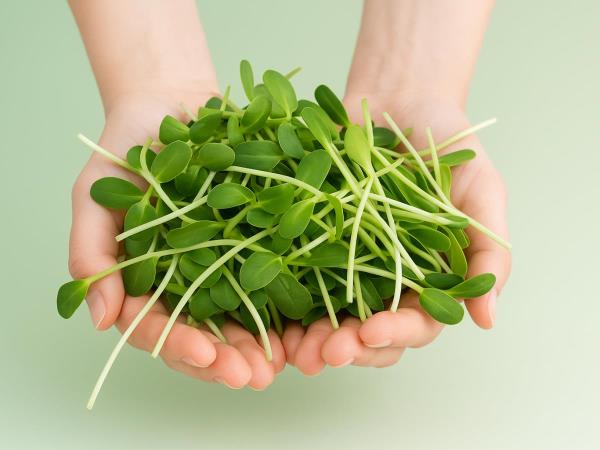
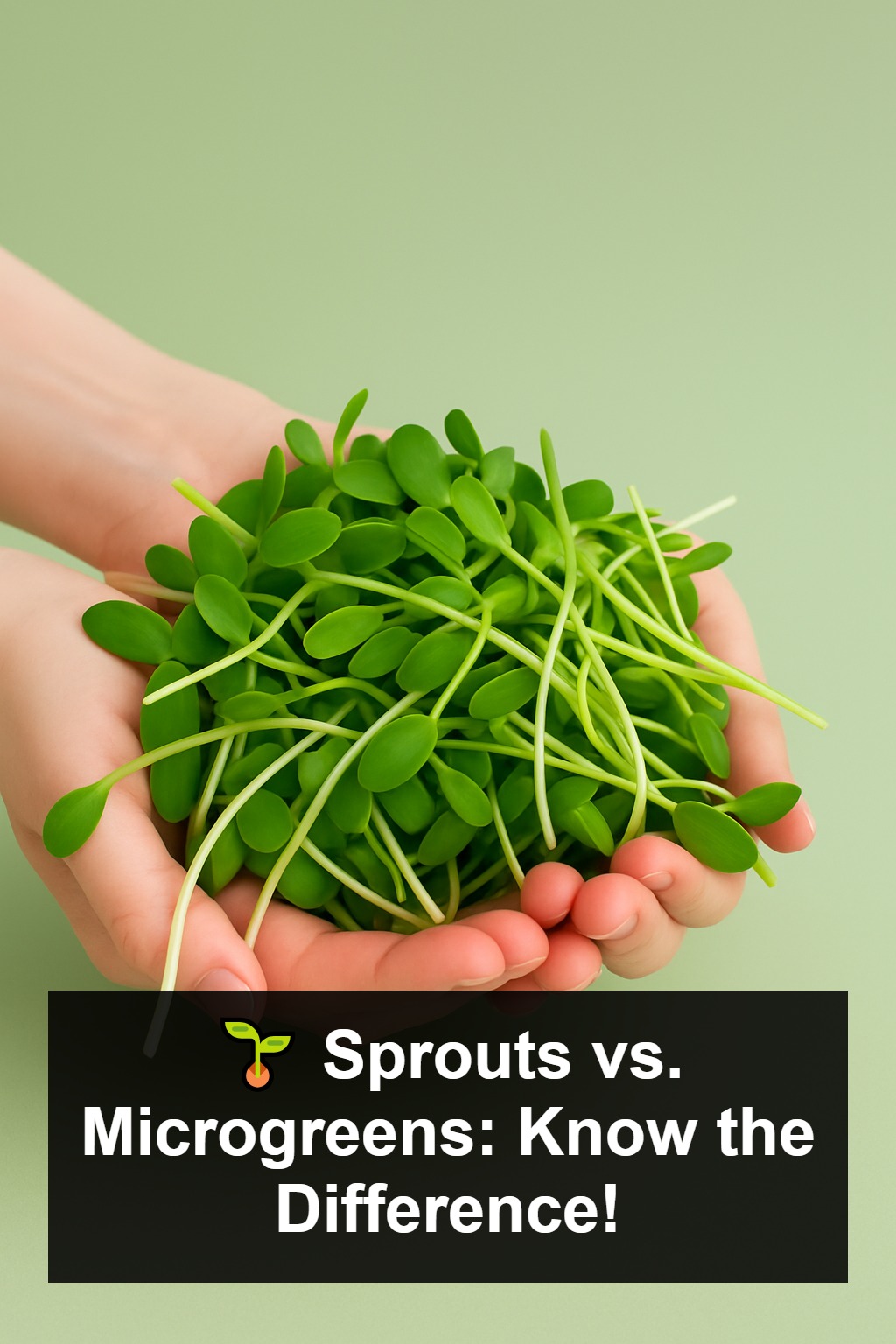
Let’s clarify: sprouts and microgreens are not the same thing. Even though they often grow from the same seeds and look visually similar, they are different both in how they are cultivated and in what exactly we eat. A sprout is the first phase of a plant’s life, when the seed germinates, starts to breathe, and creates life. Microgreens are already a slightly more mature version of the plant, at which point the stem and the first pair of leaves also grow. If we compared them to a child, the sprout would be a newborn baby, and the microgreen would already be a curious toddler.
Why Are Sprouts and Microgreens Superfoods?
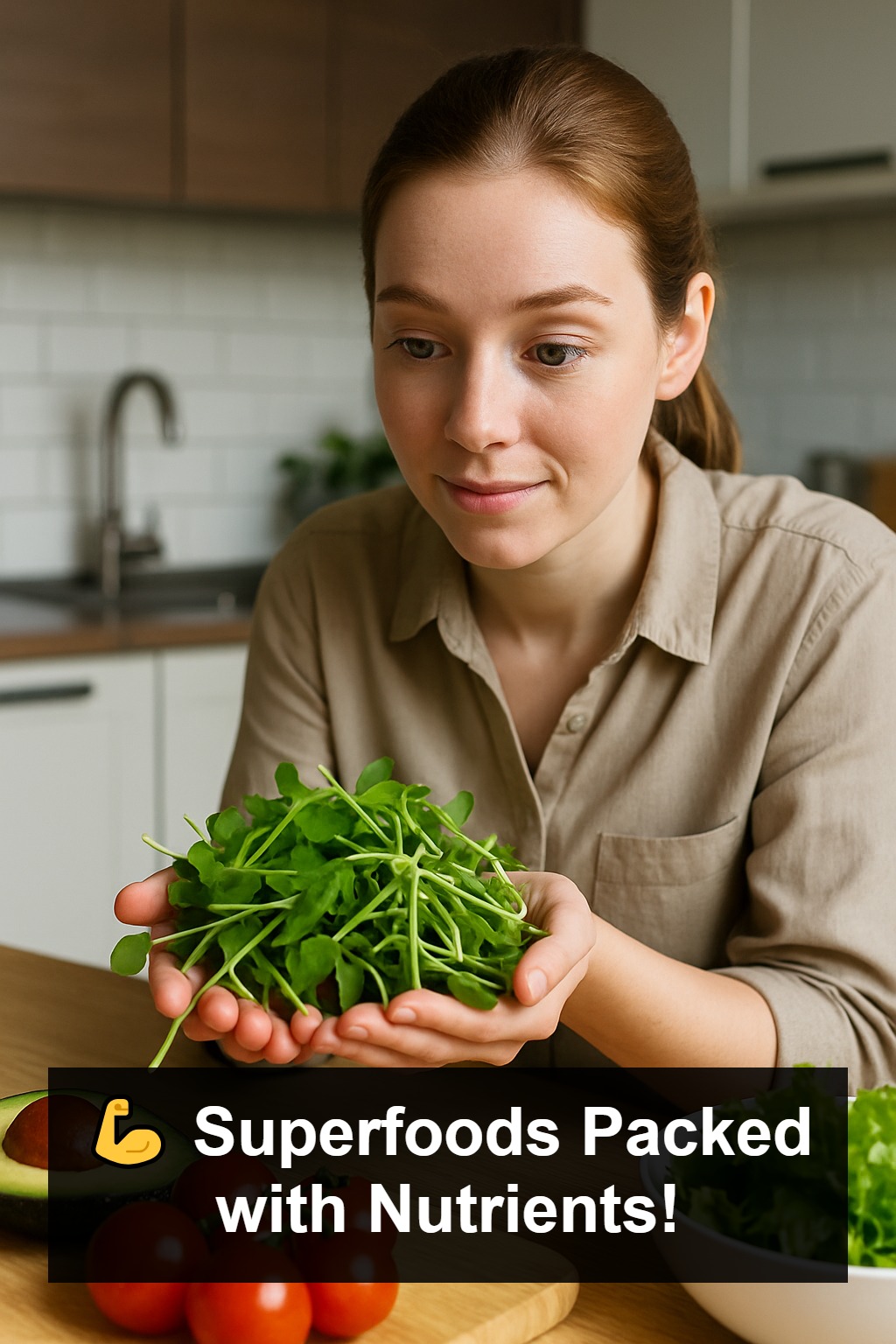
When a seed starts sprouting, a true little miracle of nature is triggered inside it. Its vitamin C level rises, enzymes begin to form (these are natural scissors that help break down food), and the amount of certain amino acids our body really needs increases. The amount of antioxidants – these protectors of our cells against damage – is also greatly increased.
For example: a 2014 study by the US Department of Agriculture (USDA) showed that broccoli microgreens can have up to 40 times more vitamins than a fully mature plant of the same type. In other words: a small stem of arugula, sprouted a few days ago, can be more nutritious than a big, fully grown arugula from the store.
And what is most surprising – all this power is already in one very small shoot, which you may have only seen as a decoration on your plate until now.
The Healing Power of Sprouts: Even Ancient Chinese Used Them as Medicine
The history of sprouts goes way back – even more than 5,000 years. In China, doctors recommended them for treating respiratory problems, digestive issues, and even to strengthen the body after illness. In the 18th century, British sailors ate sprouts during long voyages to prevent scurvy – a disease caused by a lack of vitamin C.
The Bible also mentions the importance of plant foods, especially in the Book of Daniel, where the heroes eat seeds and vegetables to maintain their health and strength.
Microgreens – A Plant With a Story from San Francisco
Microgreens first appeared as a food trend in the 1990s in San Francisco. At first, they were used only as a garnish on plates in high-end restaurants, but soon top chefs and nutritionists recognized their value. Today, microgreens are practically available to everyone – you can buy them or grow them yourself on your kitchen shelf.
You don’t need a garden to grow them, just some soil or another substrate (this is a special mixture for plant growth, often made from coconut fiber or compost), and some light and water. Microgreens grow in 7 to 15 days and are cut right above the soil once they develop their first true leaves.
What All Can You Grow?
There are endless options. Among the most popular microgreens are:
Avoid growing microgreens from plants like tomato, pepper, and eggplant, as they belong to the nightshade family (Latin: Solanaceae) and their shoots can contain alkaloids – natural substances which can be harmful in larger amounts.
Sprouts – The Simple Path to Fresh Food
Unlike microgreens, we do not plant sprouts in soil. They only need water and warmth. Soak the seeds for 8–12 hours, then rinse them 2–3 times a day, until sprouts develop. This usually takes 2 to 7 days, depending on the type of seed.
People most commonly sprout:
Flax and pumpkin seeds are especially valued for their high content of healthy fats, which the body urgently needs for the hormones and brain to function. Sunflower seeds are rich in vitamin E, which protects our cells from aging.
How to Include Them in Your Diet?
Add sprouts to salads, sandwiches, soups (only at the end, so you don’t overcook them), or simply eat them as a snack. You can use microgreens in a similar way – as a green curtain of flavor and health on your plate. They pair excellently with fresh cheese, scrambled eggs, or as an addition to creamy soups.
And what’s extremely important: since we eat them raw, all the nutritional value remains unchanged.
Freshness is Key
Remember: both sprouts and microgreens must always be fresh. Store them in the refrigerator for no more than 4–5 days, preferably in a paper bag or a container that breathes. If you notice an unpleasant smell or sliminess, throw them away. Don’t let poor hygiene ruin your efforts.
Facts That Will Convince You:
A study published in the Journal of Agricultural and Food Chemistry in 2012 showed that microgreens have up to 6 times more polyphenols (natural antioxidants) than mature vegetables.
Safety First
Although sprouts are extremely healthy, they are sensitive to bacteria, as they grow in a warm and humid environment. We recommend always rinsing them well under running water before use. If you have a weakened immune system, are pregnant, or elderly, consult your doctor or rather opt for microgreens, which, since they grow above soil, are safer.
Final Thoughts
Sprouts and microgreens are not just a passing trend, but the food of the future – fresh, nutritious, easily accessible, and full of life. In an age where everything revolves around fast food and artificial additives, they represent a return to basics. And best of all – you can grow them yourself, in your own kitchen, with your own hands.
In a world where health is the greatest wealth, every homegrown shoot is a little treasure.
Information on this website is for educational purposes only and is not medical advice.
Why Are Sprouts and Microgreens Superfoods?
When a seed starts sprouting, a true little miracle of nature is triggered inside it. Its vitamin C level rises, enzymes begin to form (these are natural scissors that help break down food), and the amount of certain amino acids our body really needs increases. The amount of antioxidants – these protectors of our cells against damage – is also greatly increased.
For example: a 2014 study by the US Department of Agriculture (USDA) showed that broccoli microgreens can have up to 40 times more vitamins than a fully mature plant of the same type. In other words: a small stem of arugula, sprouted a few days ago, can be more nutritious than a big, fully grown arugula from the store.
And what is most surprising – all this power is already in one very small shoot, which you may have only seen as a decoration on your plate until now.
The Healing Power of Sprouts: Even Ancient Chinese Used Them as Medicine
The history of sprouts goes way back – even more than 5,000 years. In China, doctors recommended them for treating respiratory problems, digestive issues, and even to strengthen the body after illness. In the 18th century, British sailors ate sprouts during long voyages to prevent scurvy – a disease caused by a lack of vitamin C.
The Bible also mentions the importance of plant foods, especially in the Book of Daniel, where the heroes eat seeds and vegetables to maintain their health and strength.
Microgreens – A Plant With a Story from San Francisco
Microgreens first appeared as a food trend in the 1990s in San Francisco. At first, they were used only as a garnish on plates in high-end restaurants, but soon top chefs and nutritionists recognized their value. Today, microgreens are practically available to everyone – you can buy them or grow them yourself on your kitchen shelf.
You don’t need a garden to grow them, just some soil or another substrate (this is a special mixture for plant growth, often made from coconut fiber or compost), and some light and water. Microgreens grow in 7 to 15 days and are cut right above the soil once they develop their first true leaves.
What All Can You Grow?
There are endless options. Among the most popular microgreens are:
- Broccoli (rich in vitamin C, A, and iron)
- Beetroot (for strong blood, as it has lots of folic acid)
- Arugula (boosts appetite and digestion)
- Pea (rich in proteins and B vitamins)
- Basil (soothes the stomach and works against inflammation)
Avoid growing microgreens from plants like tomato, pepper, and eggplant, as they belong to the nightshade family (Latin: Solanaceae) and their shoots can contain alkaloids – natural substances which can be harmful in larger amounts.
Sprouts – The Simple Path to Fresh Food
Unlike microgreens, we do not plant sprouts in soil. They only need water and warmth. Soak the seeds for 8–12 hours, then rinse them 2–3 times a day, until sprouts develop. This usually takes 2 to 7 days, depending on the type of seed.
People most commonly sprout:
- Alfalfa – one of the easiest to sprout
- Wheat – also for wheatgrass
- Mung beans – very popular in Asian cuisine
- Sunflower seeds
- Flax seeds – contain omega-3 fatty acids
Flax and pumpkin seeds are especially valued for their high content of healthy fats, which the body urgently needs for the hormones and brain to function. Sunflower seeds are rich in vitamin E, which protects our cells from aging.
How to Include Them in Your Diet?
Add sprouts to salads, sandwiches, soups (only at the end, so you don’t overcook them), or simply eat them as a snack. You can use microgreens in a similar way – as a green curtain of flavor and health on your plate. They pair excellently with fresh cheese, scrambled eggs, or as an addition to creamy soups.
And what’s extremely important: since we eat them raw, all the nutritional value remains unchanged.
Freshness is Key
Remember: both sprouts and microgreens must always be fresh. Store them in the refrigerator for no more than 4–5 days, preferably in a paper bag or a container that breathes. If you notice an unpleasant smell or sliminess, throw them away. Don’t let poor hygiene ruin your efforts.
Facts That Will Convince You:
- In one cup of alfalfa sprouts there are only 8 calories, but 14% of the daily requirement of vitamin K.
- Broccoli sprouts contain a lot of sulforaphane, a compound researchers at Johns Hopkins University found to be anti-cancer.
- Pea microgreens have up to 7 times more vitamin C than classic peas.
A study published in the Journal of Agricultural and Food Chemistry in 2012 showed that microgreens have up to 6 times more polyphenols (natural antioxidants) than mature vegetables.
Safety First
Although sprouts are extremely healthy, they are sensitive to bacteria, as they grow in a warm and humid environment. We recommend always rinsing them well under running water before use. If you have a weakened immune system, are pregnant, or elderly, consult your doctor or rather opt for microgreens, which, since they grow above soil, are safer.
Final Thoughts
Sprouts and microgreens are not just a passing trend, but the food of the future – fresh, nutritious, easily accessible, and full of life. In an age where everything revolves around fast food and artificial additives, they represent a return to basics. And best of all – you can grow them yourself, in your own kitchen, with your own hands.
In a world where health is the greatest wealth, every homegrown shoot is a little treasure.
Information on this website is for educational purposes only and is not medical advice.
Author:
Zvone Stor
expert, nutritionist
expert, nutritionist
 Would you like to be informed about news on the website?
Just enter your e-mail
Sprouts and Microgreens
Benefits of Sprouts
Microgreens Nutritional Value
How to Grow Microgreens
Sprouts vs Microgreens
Latest news

Why Do You Always Wake Up at the Same Time? Your Body Might Be Trying to Tell You Something
Read more >>


French Fries and Your Brain: What an 11-Year Study of 140,000 People Found About Fried Food and Mood
Read more >>

Selenium: The Tiny Mineral Your Body Can't Live Without — And Can Absolutely Have Too Much Of
Read more >>

A Spoonful of Coconut Oil on an Empty Stomach: The Quiet Morning Habit So Many People Swear By
Read more >>


Anemia on Your Plate: The Everyday Foods Quietly Helping — Or Sabotaging — Your Iron Levels
Read more >>

Why the Humble Egg Might Just Be Your Diet's Secret Weapon: 5 Reasons Nutritionists Keep Coming Back To
Read more >>


Yogurt, Banana or Citrus for Breakfast? Why Some "Healthy" Foods Can Backfire on an Empty Stomach
Read more >>



Why the Scale Won't Budge, Even On a Diet: The Overlooked Mineral Almost Nobody Talks About
Read more >>


Interaktive Widgets:
|

