








Date: 06/11/2026 - GOOD TO KNOW
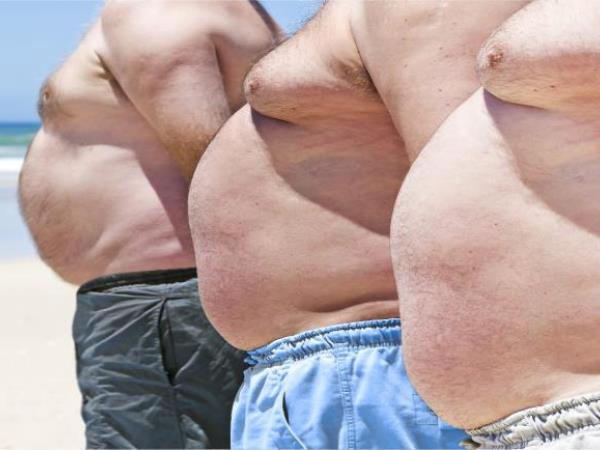
3 main culprits that cause us to gain weight in the summer
AUTHOR:
Zvone Stor
expert, nutritionist
expert, nutritionist
Have you ever tried to eat healthy over the summer, exercise more, and avoid heavy foods, only to be surprised by the scale come autumn? What’s going on?
Believe it or not, scientists from the Texas university Baylor showed in a large study back in 2016 that children gain more weight during summer vacation than during the school year. Even more – this isn’t dependent on age. Adults, too, regardless of gender or occupation, gain weight faster in the summer than in winter. How is this possible?
Let us explain: in summer, a few key changes happen that affect our bodies. If we don’t know about them, we can’t control them. And so the extra kilos quietly pile up.
That’s why we invite you to take a look at the three main reasons why this happens. We promise – no Latin terms, no moralizing, just a bit of old folk wisdom and verified numbers.
What can you do to stay on track this summer?
Let us give you some practical, old and new tips that actually work – tried and tested:
Let summer be a time of relaxation, not worry
Dear readers, summer is a time of warmth, joy, gathering, and yes, enjoyment. There’s nothing wrong with treating yourself to a good meal and a cold drink. But if you understand what’s happening in your body behind the scenes, you can enjoy all of this without guilt – and without extra kilos.
Remember – your body is your best ally. If you give it rhythm, rest, and the right food, it will reward you with health, energy, and a smile.
Information on this website is for educational purposes only and is not medical advice.
Let us explain: in summer, a few key changes happen that affect our bodies. If we don’t know about them, we can’t control them. And so the extra kilos quietly pile up.
That’s why we invite you to take a look at the three main reasons why this happens. We promise – no Latin terms, no moralizing, just a bit of old folk wisdom and verified numbers.
- Summer food is sneakier than it seems
When you smell čevapčiči, popcorn, or ice cream with three scoops, you think – I’ve been in the sun all day and even went for a swim! But let’s look at the numbers. The average scoop of ice cream has about 150 calories, but it’s rare to stop at just one. Two glasses of soda? Around 300 calories—and those are empty calories, with no vitamins or minerals.
Now think: one afternoon picnic with drinks, a few desserts, a dash of wine, and a few pieces of grilled meat can quickly add up to more than 1500 calories – that’s almost the entire daily requirement for an adult woman who is not very active. And if you’re on vacation, situations like this can happen day after day. Your body won’t forget.
On top of that, we drink more alcohol in the summer. A glass of beer has about 150 calories, a glass of wine even more – around 200. If you relax in the evening with friends and drink two or three, you’re quickly over the limit.
And although we believe we’ll burn off those calories by being more active, reality often shows a different picture ...
- In the heat, we don’t move enough
In summer, it’s often too hot to be truly active. Even though the days are longer, we avoid exertion during the day because of the heat. When temperatures are above 30{-15696}C, the body uses a lot of energy just to cool down, and we become more sleepy and passive. According to the American Heart Association, physical activity drops by 30% for the average person during summer – which is a lot.
You might think that swimming or a walk on the beach is enough, but even there we often sit or lie down. We do walk more in summer – that’s true – but city walks interrupted by ice cream breaks are not the same as intense exercise.
Our ancestors used to work from dawn to dusk during harvest. But life is different today. Air conditioning keeps us inside, and recreation is pushed to early mornings or evenings – but in the evening we’d rather go out with friends. And in the morning ... it’s hard to get up, right?
- Sleep suffers in the summer – and so does metabolism
Sleep is one of the most powerful natural treatments we have. Yet we sleep worse in the summer. Why?
At night, summer just doesn’t cool down enough, especially in cities. If your bedroom isn’t below 21{-15696}C, your body has a harder time reaching deep sleep. Add in mosquitoes, nightlife, travel to different time zones and a disrupted rhythm – and you’ve got a perfect recipe for tiredness.
Scientists in Chicago found that just five consecutive nights of poor sleep reduces feelings of fullness and increases secretion of ghrelin – that’s the hunger hormone that sends you to the fridge even when you’re not hungry. At the same time, leptin levels – the hormone that tells you you’re full – drop.
Additionally, lack of sleep affects cortisol – the stress hormone. The more cortisol, the more fat your body retains, especially around your belly. It’s a natural defense – your body thinks you’re in danger, so it stores energy. And we get frustrated, wondering why we’re gaining weight despite dieting.
What can you do to stay on track this summer?
Let us give you some practical, old and new tips that actually work – tried and tested:
- Rhythm is key
Try to keep a regular schedule for getting up, sleeping, and eating. Your body has an internal clock, and if you offer it meals at the same time every day, your metabolism will work more smoothly. Even grandmothers would say: Order at the table means order in the stomach. - Protein for breakfast
Experts recommend having some protein in the morning – a hard-boiled egg, cottage cheese or yogurt. This helps regulate your appetite throughout the day. According to a study from Missouri University, those who eat protein for breakfast consume 400 calories less by dinner. - Drink water, not calories
Instead of sweet drinks, treat yourself to water with mint and lemon or unsweetened tea. Old herbalists would say: What doesn’t burn, won’t sting you. Fizzy drinks literally ignite sugar in your body – and all without benefit. - Make sleep a ritual
Air out your room before bed, have some lemon balm or hops tea, and turn off all screens at least half an hour before going to sleep to help you reach deeper rest. Lemon balm, which has been used for centuries for calming, soothes the nervous system. A study from Germany showed that regular lemon balm tea reduced insomnia problems for 70% of people.
Let summer be a time of relaxation, not worry
Dear readers, summer is a time of warmth, joy, gathering, and yes, enjoyment. There’s nothing wrong with treating yourself to a good meal and a cold drink. But if you understand what’s happening in your body behind the scenes, you can enjoy all of this without guilt – and without extra kilos.
Remember – your body is your best ally. If you give it rhythm, rest, and the right food, it will reward you with health, energy, and a smile.
Information on this website is for educational purposes only and is not medical advice.
Author:
Zvone Stor
expert, nutritionist
expert, nutritionist
 Would you like to be informed about news on the website?
Just enter your e-mail
Summer weight gain
Healthy summer tips
Avoid summer weight gain
Summer weight loss
Summer health habits
Latest news

Why Do You Always Wake Up at the Same Time? Your Body Might Be Trying to Tell You Something
Read more >>


French Fries and Your Brain: What an 11-Year Study of 140,000 People Found About Fried Food and Mood
Read more >>

Selenium: The Tiny Mineral Your Body Can't Live Without — And Can Absolutely Have Too Much Of
Read more >>
A Spoonful of Coconut Oil on an Empty Stomach: The Quiet Morning Habit So Many People Swear By
Read more >>


Anemia on Your Plate: The Everyday Foods Quietly Helping — Or Sabotaging — Your Iron Levels
Read more >>

Why the Humble Egg Might Just Be Your Diet's Secret Weapon: 5 Reasons Nutritionists Keep Coming Back To
Read more >>

Yogurt, Banana or Citrus for Breakfast? Why Some "Healthy" Foods Can Backfire on an Empty Stomach
Read more >>



Why the Scale Won't Budge, Even On a Diet: The Overlooked Mineral Almost Nobody Talks About
Read more >>


Interaktive Widgets:
|

