




Date: 06/10/2026 - GOOD TO KNOW
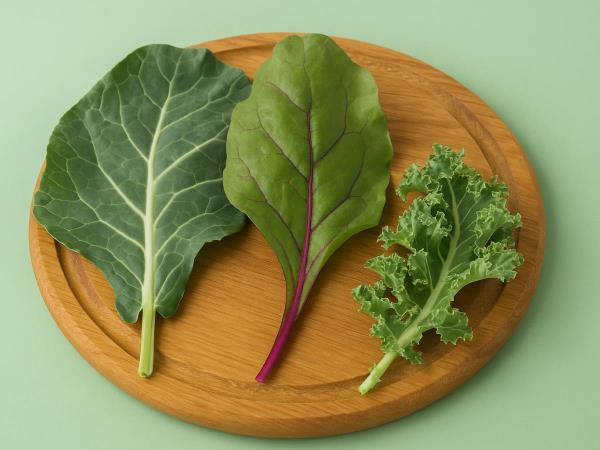
Kale or Swiss chard? Why not both?
AUTHOR:
Zvone Stor
expert, nutritionist
expert, nutritionist
Although you may think that kale and Swiss chard are old-fashioned foods, you might be surprised to learn that they are very much foods of our time. Whatever that means...
Let’s start with the numbers that speak for themselves. 100 grams of fresh kale contains:
Swiss chard, which is sometimes unfairly overshadowed by kale, proudly stands alongside the strongest superfoods: 100 g of Swiss chard contains:
In addition, both vegetables are high in fiber. Fiber is that secret ingredient that completes food, as it regulates digestion, cleanses the intestines, and helps regulate blood sugar. According to WHO, the average adult should consume around 25–30 grams of fiber per day, but the average European eats barely 15 grams. If you include kale and Swiss chard in your daily menu, just one serving will cover nearly half the recommended amount.
Folk remedies and strong scientific support
In folk medicine, these plants have been known for centuries. Our ancestors cooked kale in broth to cleanse the blood, while Swiss chard leaves were used as poultices for inflammation and joint pain. When you heat fresh chard leaves and place them on a sore spot, they act as an anti-inflammatory agent – just like today’s analgesic gels, but without the chemicals.
In a study published in Nutrition Research and Practice in 2014, Korean scientists discovered that regular intake of kale can reduce bad LDL cholesterol levels by as much as 10%, while increasing good HDL by 27%. It sounds almost unbelievable, but this result was achieved after just 12 weeks of drinking 150 ml of kale juice daily.
Swiss chard offers similar benefits. In 2012, a study was published in the journal Evidence-Based Complementary and Alternative Medicine, where researchers demonstrated that Swiss chard extract lowers blood glucose in people with type 2 diabetes. Even though we don’t consume chard as a concentrated extract, but in its natural form, you can imagine just how healing fresh chard must already be.
Why both? Because the body needs variety
When it comes to health, one single ingredient is not enough. Just as we cannot express all emotions with one type of music, nor can we satisfy all of our body’s needs with just one vegetable. That’s why our advice is: combine kale and Swiss chard. Eat them alternately, combine them, prepare them together. And don’t forget – any heat treatment reduces the vitamin content somewhat, so try not to cook them for too long, and use the cooking water as a base for soups or sauces.
But so that all of this doesn’t remain just words, we invite you to try out two simple but extremely tasty recipes – kale rolls and traditional Swiss chard soparnik.
Kale rolls – a healthy alternative to stuffed cabbage (sarma)
A recipe that comes from home cooking, but with a modern twist. Instead of rice and meat, we’ll use buckwheat – a Slovenian superfood that regulates blood pressure, contains all essential amino acids (the building blocks of proteins), and is naturally gluten-free.
Did you know that 100 g of buckwheat contains more protein than the same amount of white rice? As much as 13 g! On top of that, it has a low glycemic index, which means it doesn’t raise blood sugar as quickly as pasta or bread does.
We will blanch the kale leaves (that means quickly boiling them then cooling them in cold water – to keep their color, texture, and more nutrients), fill them with buckwheat, onion, carrot, and garlic, add a little smoked paprika (for smoky flavor and depth), then bake everything in the oven. Pure healing poetry!
Soparnik – an ancient recipe winning hearts
Soparnik comes from the Dalmatian hinterland and is considered one of the oldest types of pie in the former Yugoslav area. According to UNESCO, soparnik is even a part of Croatia’s cultural heritage, which makes it a recipe full of tradition. Historically, it was baked under a metal lid covered with embers, but today it can easily be made in a regular oven.
The star here, once again, is Swiss chard. Chard, a bit of onion, salt, and olive oil are wrapped in a dough made of spelt flour (which is easier to digest than regular wheat flour). Simplicity that delights – even your gut.
Spelt flour has a lower glycemic index than regular flour, more fiber, and better nutritional content. It contains more zinc to help strengthen your immune system, as well as iron to prevent fatigue. Eating it will boost your energy without blood sugar spikes.
Practical tips for everyday use
If you’re worried about how to add kale and Swiss chard to your menu without stress, here are some home tips:
And finally...
At a time when our diets seem to be getting more and more artificial and rushed, it’s nice to know that we have two extremely healing plants right at our fingertips, which we can prepare easily and without high costs.
Kale and Swiss chard are not just food – they are natural remedies for many issues of the modern age: high blood pressure, weakened immunity, lack of energy, digestive troubles, and more. So, treat yourself to them – not as a side dish, but as the main star of your table.
And who knows – maybe after just a few days of regular consumption, you’ll notice more energy, a better mood, and fewer digestive problems. Give it a try. Nature has more answers than we think.
Information on this website is for educational purposes only and is not medical advice.
- more than 200% of the daily requirement for vitamin K, which is crucial for bone health and regulating blood clotting,
- 150% of the daily requirement for vitamin C, which protects the body against viruses, free radicals, and supports collagen production,
- almost 50% of the requirement for vitamin A (in the form of beta-carotene), which keeps eyesight and skin healthy.
Swiss chard, which is sometimes unfairly overshadowed by kale, proudly stands alongside the strongest superfoods: 100 g of Swiss chard contains:
- 300 mg of potassium, which regulates blood pressure and supports proper heart function,
- plenty of magnesium – a mineral that helps with stress, muscle cramps, and fatigue.
In addition, both vegetables are high in fiber. Fiber is that secret ingredient that completes food, as it regulates digestion, cleanses the intestines, and helps regulate blood sugar. According to WHO, the average adult should consume around 25–30 grams of fiber per day, but the average European eats barely 15 grams. If you include kale and Swiss chard in your daily menu, just one serving will cover nearly half the recommended amount.
Folk remedies and strong scientific support
In folk medicine, these plants have been known for centuries. Our ancestors cooked kale in broth to cleanse the blood, while Swiss chard leaves were used as poultices for inflammation and joint pain. When you heat fresh chard leaves and place them on a sore spot, they act as an anti-inflammatory agent – just like today’s analgesic gels, but without the chemicals.
In a study published in Nutrition Research and Practice in 2014, Korean scientists discovered that regular intake of kale can reduce bad LDL cholesterol levels by as much as 10%, while increasing good HDL by 27%. It sounds almost unbelievable, but this result was achieved after just 12 weeks of drinking 150 ml of kale juice daily.
Swiss chard offers similar benefits. In 2012, a study was published in the journal Evidence-Based Complementary and Alternative Medicine, where researchers demonstrated that Swiss chard extract lowers blood glucose in people with type 2 diabetes. Even though we don’t consume chard as a concentrated extract, but in its natural form, you can imagine just how healing fresh chard must already be.
Why both? Because the body needs variety
When it comes to health, one single ingredient is not enough. Just as we cannot express all emotions with one type of music, nor can we satisfy all of our body’s needs with just one vegetable. That’s why our advice is: combine kale and Swiss chard. Eat them alternately, combine them, prepare them together. And don’t forget – any heat treatment reduces the vitamin content somewhat, so try not to cook them for too long, and use the cooking water as a base for soups or sauces.
But so that all of this doesn’t remain just words, we invite you to try out two simple but extremely tasty recipes – kale rolls and traditional Swiss chard soparnik.
Kale rolls – a healthy alternative to stuffed cabbage (sarma)
A recipe that comes from home cooking, but with a modern twist. Instead of rice and meat, we’ll use buckwheat – a Slovenian superfood that regulates blood pressure, contains all essential amino acids (the building blocks of proteins), and is naturally gluten-free.
Did you know that 100 g of buckwheat contains more protein than the same amount of white rice? As much as 13 g! On top of that, it has a low glycemic index, which means it doesn’t raise blood sugar as quickly as pasta or bread does.
We will blanch the kale leaves (that means quickly boiling them then cooling them in cold water – to keep their color, texture, and more nutrients), fill them with buckwheat, onion, carrot, and garlic, add a little smoked paprika (for smoky flavor and depth), then bake everything in the oven. Pure healing poetry!
Soparnik – an ancient recipe winning hearts
Soparnik comes from the Dalmatian hinterland and is considered one of the oldest types of pie in the former Yugoslav area. According to UNESCO, soparnik is even a part of Croatia’s cultural heritage, which makes it a recipe full of tradition. Historically, it was baked under a metal lid covered with embers, but today it can easily be made in a regular oven.
The star here, once again, is Swiss chard. Chard, a bit of onion, salt, and olive oil are wrapped in a dough made of spelt flour (which is easier to digest than regular wheat flour). Simplicity that delights – even your gut.
Spelt flour has a lower glycemic index than regular flour, more fiber, and better nutritional content. It contains more zinc to help strengthen your immune system, as well as iron to prevent fatigue. Eating it will boost your energy without blood sugar spikes.
Practical tips for everyday use
If you’re worried about how to add kale and Swiss chard to your menu without stress, here are some home tips:
- Freezing:
Both Swiss chard and kale can be successfully preserved if you blanch and freeze them quickly. This way, you’ll have homegrown superfoods on hand all year round.
- Kale chips: B
rush the leaves with a little oil and bake for 10 minutes at 160 {-15696}C – quick and healthy!
- Swiss chard juice:
Blend chard with apple, lemon, and ginger. A fresh vitamin bomb!
- Buckwheat for breakfast:
Cook buckwheat, add walnuts and honey – a healthy and filling meal that will keep you full until lunch.
And finally...
At a time when our diets seem to be getting more and more artificial and rushed, it’s nice to know that we have two extremely healing plants right at our fingertips, which we can prepare easily and without high costs.
Kale and Swiss chard are not just food – they are natural remedies for many issues of the modern age: high blood pressure, weakened immunity, lack of energy, digestive troubles, and more. So, treat yourself to them – not as a side dish, but as the main star of your table.
And who knows – maybe after just a few days of regular consumption, you’ll notice more energy, a better mood, and fewer digestive problems. Give it a try. Nature has more answers than we think.
Information on this website is for educational purposes only and is not medical advice.
Author:
Zvone Stor
expert, nutritionist
expert, nutritionist
 Would you like to be informed about news on the website?
Just enter your e-mail
Kale vs Swiss chard
Benefits of kale and Swiss chard
Superfoods kale and Swiss chard
Kale and Swiss chard recipes
Kale and Swiss chard health benefits
Latest news

Why Do You Always Wake Up at the Same Time? Your Body Might Be Trying to Tell You Something
Read more >>

French Fries and Your Brain: What an 11-Year Study of 140,000 People Found About Fried Food and Mood
Read more >>
Selenium: The Tiny Mineral Your Body Can't Live Without — And Can Absolutely Have Too Much Of
Read more >>
A Spoonful of Coconut Oil on an Empty Stomach: The Quiet Morning Habit So Many People Swear By
Read more >>

Anemia on Your Plate: The Everyday Foods Quietly Helping — Or Sabotaging — Your Iron Levels
Read more >>

Why the Humble Egg Might Just Be Your Diet's Secret Weapon: 5 Reasons Nutritionists Keep Coming Back To
Read more >>

Yogurt, Banana or Citrus for Breakfast? Why Some "Healthy" Foods Can Backfire on an Empty Stomach
Read more >>



Why the Scale Won't Budge, Even On a Diet: The Overlooked Mineral Almost Nobody Talks About
Read more >>


Interaktive Widgets:
|

