




Date: 06/06/2026 - GOOD TO KNOW
Why We Should Eat More Fats
AUTHOR:
Zvone Stor
expert, nutritionist
expert, nutritionist
For the past 50 years, we have been unfairly avoiding fats and turning to carbohydrates, which has caused an epidemic of obesity, cardiovascular diseases, cancer, brain disorders...
Our ancestors ate very few carbohydrates, and got 75% of their energy from fats. Modern humans have changed this ratio, and we are now seeing diseases that have never been seen before in history—or at least, not to such an extent. Since it’s also clear to the food industry that it can't rely on carbohydrates for long, and that stripping products of fats will soon stop being profitable, we can expect a return to the way of eating practiced by our ancestors.
Many warn that returning to the dietary habits of 100 years ago won't bring the expected results, and therefore suggest going back several thousand years, to the time of early humans—the Paleolithic era (hence the term paleo diet for such eating habits). The Paleolithic is in fact the oldest and longest period of prehistory, starting in Europe about a million years ago and ending roughly 10,000 years ago. This period is characterized by the use of fire, food gathering, and hunting. This also defined their way of eating. During this time, humans adapted to a diet where most energy came from fats.
The more modern version of the paleo diet is known by the acronym LCHF (Low Carbohydrate, High Fat), which is much stricter about carbohydrates. It’s based on the fact that there are relatively few carbohydrates in nature and so it completely omits them from the list of permitted foods. The LCHF diet began two decades ago in Scandinavia, and since then, the rates of some diseases (including cancer) have drastically dropped.
However... Just as we now know that there are good and bad fats, the same goes for carbohydrates. Simple carbs, found in pasta, bread, sweets, quickly enter the bloodstream, provide fast energy, but also quickly wear off. What remains are just extra kilos. Complex carbohydrates (found in grains, rice, potatoes, certain types of pasta) are healthier and are also needed by the body (mostly for quick energy needs), but we should note that simple carbs shouldn't be completely neglected either, especially those from fruit.
Our bodies are built on two levels. Just like we have short-term and long-term memory, impulsive and sustained muscle strength, our bodies need energy in that way as well. Therefore, completely cutting out carbohydrates is not recommended, but it's good to stick to a 3:1 ratio in favor of fats.
What advantages do fats have?
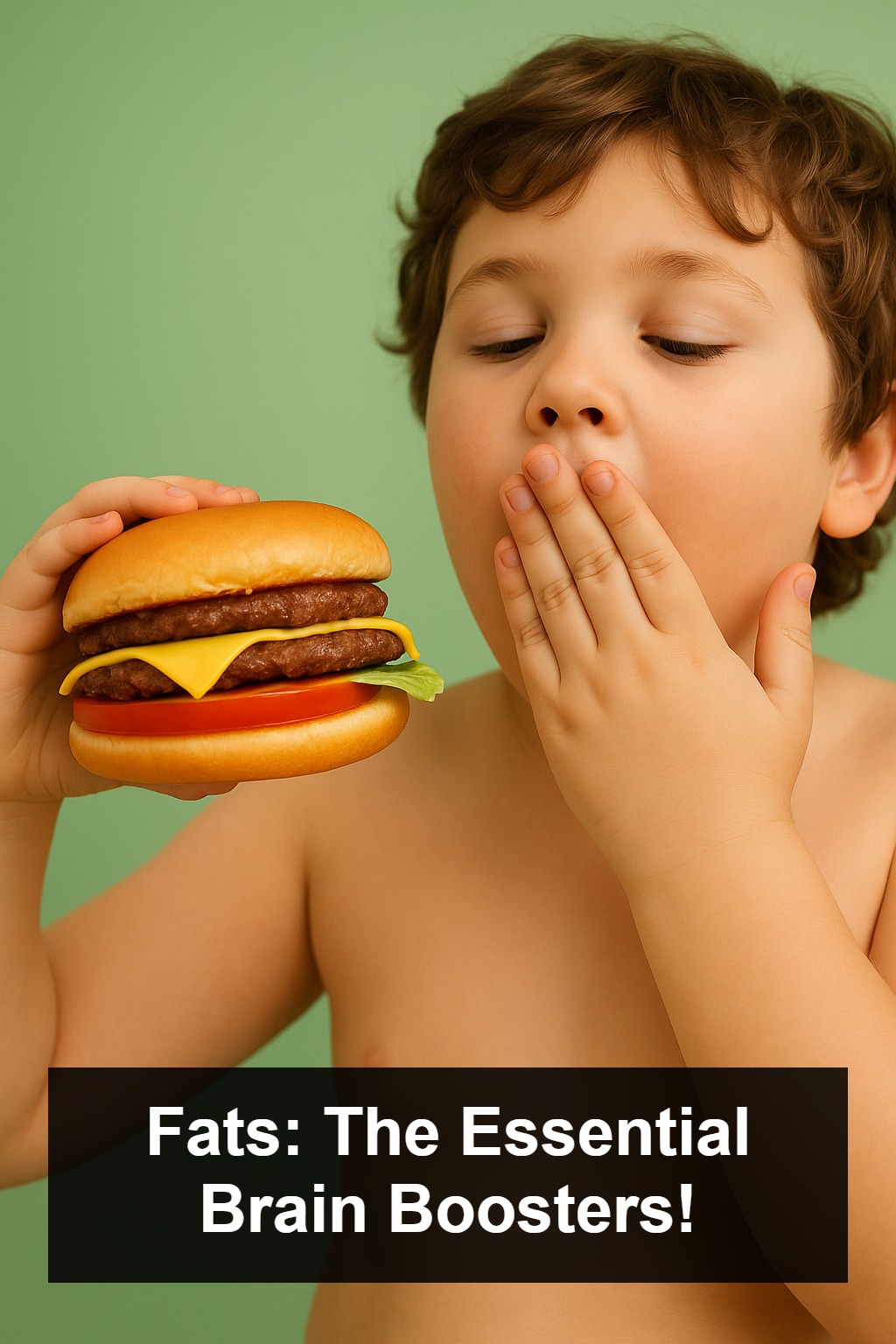
1. Fats Are the Building Blocks of Our Brain

60% of our brain is made up of fats, and not just omega-3s found in salmon, avocado, and nuts, but also complex animal fats, vitamins A, D, E, and K, and a whole lot of other substances. If even one of these components is lacking, diseases such as Alzheimer's, Parkinson's, depression, and other neurological disorders can appear. For quality thinking processes and good mood, omega-3 fats are most important.
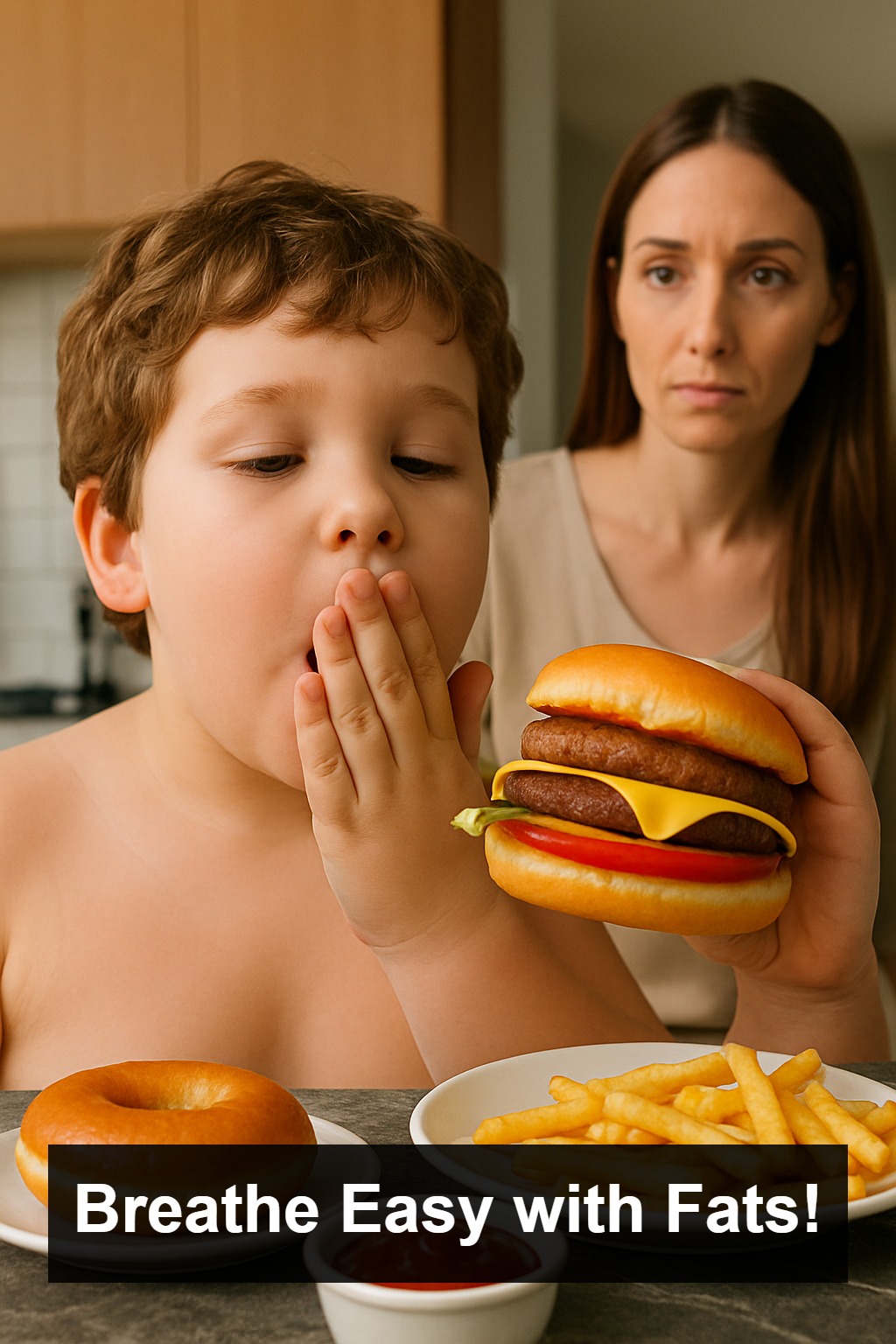
2. Easier Breathing

The surface of the lungs is lined with fatty tissues, which allow for easier breathing. If these tissues are missing or are too few, breathing difficulties can occur, even suffocation. If this problem appears in infants or children, it can develop into asthma. That’s why consuming enough fats in early childhood is extremely important.
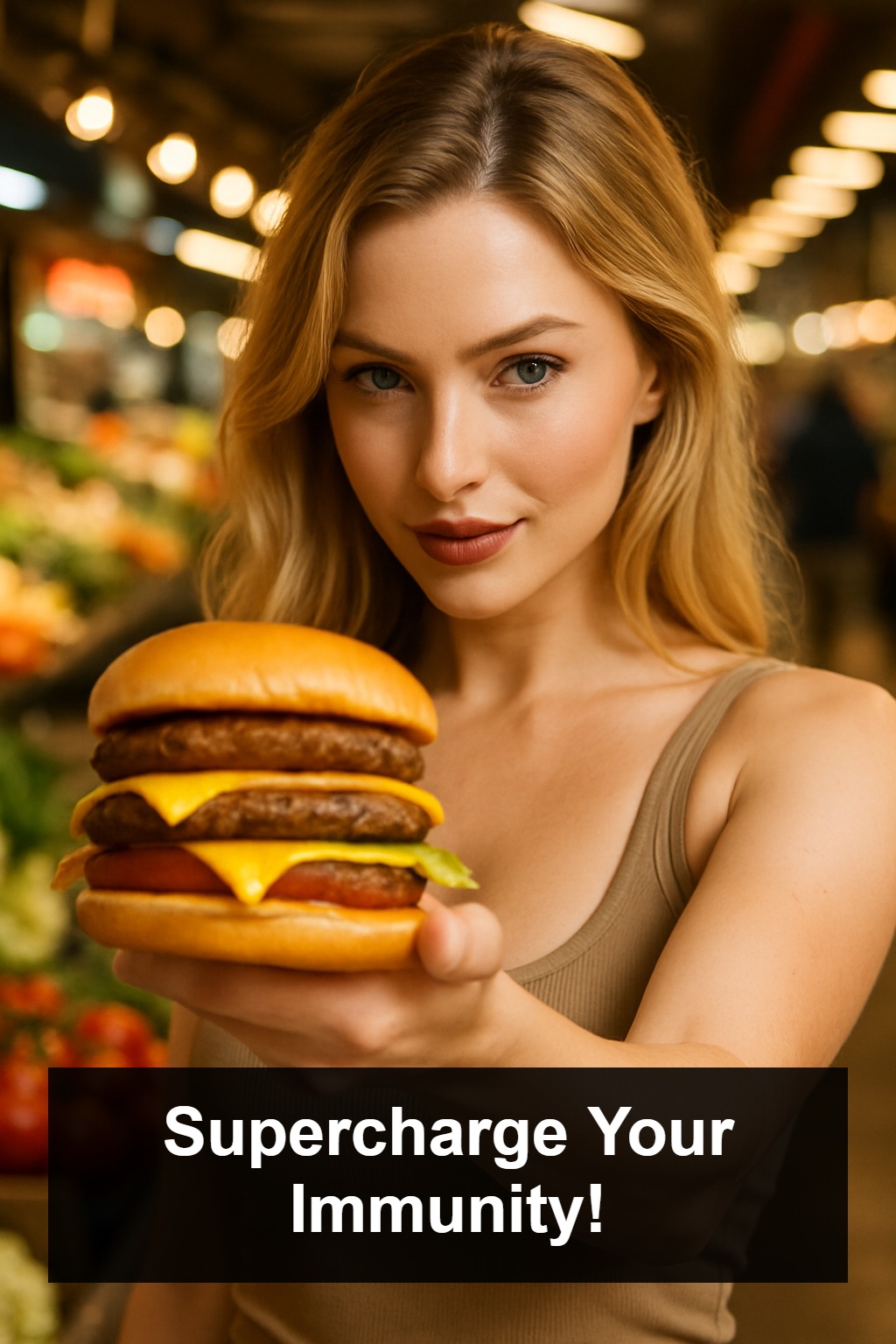
3. Immune System
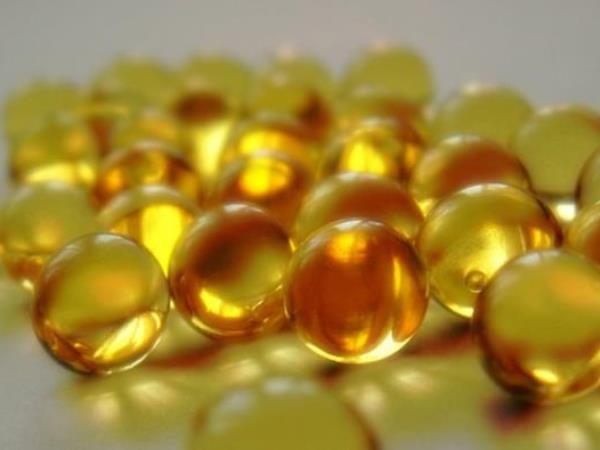
Fats greatly affect our immune system. A lack of saturated fatty acids in white blood cells lowers the body's resistance to viruses, bacteria, and fungi. If you get sick often or have fungal problems, you should eat more nuts, olive, rapeseed, or flaxseed oil (a teaspoon on an empty stomach is recommended), avocado, as well as fish and seafood.
4. Healthy Skin
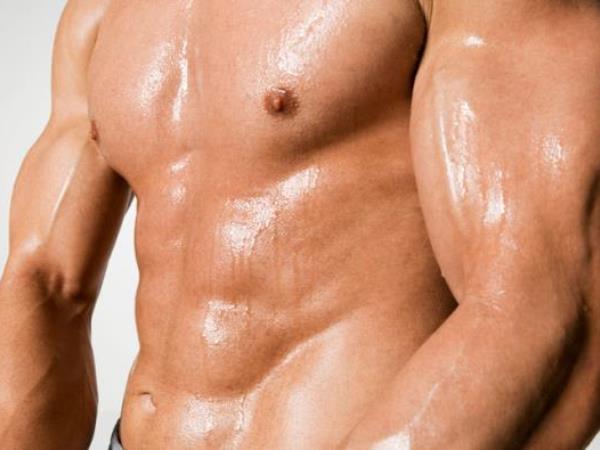
Most of our skin is made up of fats. If, in just two weeks, you eat a low-fat diet, your skin will become dry, flaky, cracked, which opens the door to various viruses and diseases...
5. Heart Health
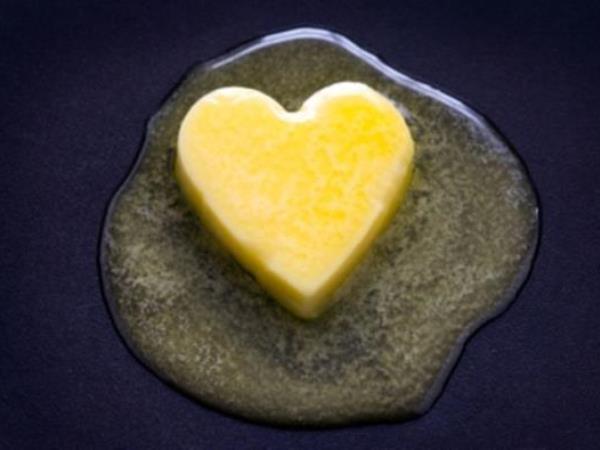
Due to stress, obesity, and lack of physical activity, our hearts are more burdened. That’s why the heart also needs food for its operation. Of course, you can get this from carbohydrates, which provide energy for up to half an hour, but also from fats, which burn slowly and will help the heart for 4 hours or more. Coconut oil is especially recommended for the heart.
One more thing: Don’t worry that a gram of fat has about 9 calories, while a gram of carbohydrates has only 4. If you know that fats keep you satisfied 8 times longer, carbohydrates actually have 4 times too many calories.
Information on this website is for educational purposes only and is not medical advice.
Many warn that returning to the dietary habits of 100 years ago won't bring the expected results, and therefore suggest going back several thousand years, to the time of early humans—the Paleolithic era (hence the term paleo diet for such eating habits). The Paleolithic is in fact the oldest and longest period of prehistory, starting in Europe about a million years ago and ending roughly 10,000 years ago. This period is characterized by the use of fire, food gathering, and hunting. This also defined their way of eating. During this time, humans adapted to a diet where most energy came from fats.
The more modern version of the paleo diet is known by the acronym LCHF (Low Carbohydrate, High Fat), which is much stricter about carbohydrates. It’s based on the fact that there are relatively few carbohydrates in nature and so it completely omits them from the list of permitted foods. The LCHF diet began two decades ago in Scandinavia, and since then, the rates of some diseases (including cancer) have drastically dropped.
However... Just as we now know that there are good and bad fats, the same goes for carbohydrates. Simple carbs, found in pasta, bread, sweets, quickly enter the bloodstream, provide fast energy, but also quickly wear off. What remains are just extra kilos. Complex carbohydrates (found in grains, rice, potatoes, certain types of pasta) are healthier and are also needed by the body (mostly for quick energy needs), but we should note that simple carbs shouldn't be completely neglected either, especially those from fruit.
Our bodies are built on two levels. Just like we have short-term and long-term memory, impulsive and sustained muscle strength, our bodies need energy in that way as well. Therefore, completely cutting out carbohydrates is not recommended, but it's good to stick to a 3:1 ratio in favor of fats.
What advantages do fats have?
1. Fats Are the Building Blocks of Our Brain

60% of our brain is made up of fats, and not just omega-3s found in salmon, avocado, and nuts, but also complex animal fats, vitamins A, D, E, and K, and a whole lot of other substances. If even one of these components is lacking, diseases such as Alzheimer's, Parkinson's, depression, and other neurological disorders can appear. For quality thinking processes and good mood, omega-3 fats are most important.
2. Easier Breathing

The surface of the lungs is lined with fatty tissues, which allow for easier breathing. If these tissues are missing or are too few, breathing difficulties can occur, even suffocation. If this problem appears in infants or children, it can develop into asthma. That’s why consuming enough fats in early childhood is extremely important.
3. Immune System

Fats greatly affect our immune system. A lack of saturated fatty acids in white blood cells lowers the body's resistance to viruses, bacteria, and fungi. If you get sick often or have fungal problems, you should eat more nuts, olive, rapeseed, or flaxseed oil (a teaspoon on an empty stomach is recommended), avocado, as well as fish and seafood.
4. Healthy Skin

Most of our skin is made up of fats. If, in just two weeks, you eat a low-fat diet, your skin will become dry, flaky, cracked, which opens the door to various viruses and diseases...
5. Heart Health

Due to stress, obesity, and lack of physical activity, our hearts are more burdened. That’s why the heart also needs food for its operation. Of course, you can get this from carbohydrates, which provide energy for up to half an hour, but also from fats, which burn slowly and will help the heart for 4 hours or more. Coconut oil is especially recommended for the heart.
One more thing: Don’t worry that a gram of fat has about 9 calories, while a gram of carbohydrates has only 4. If you know that fats keep you satisfied 8 times longer, carbohydrates actually have 4 times too many calories.
Information on this website is for educational purposes only and is not medical advice.
Author:
Zvone Stor
expert, nutritionist
expert, nutritionist
 Would you like to be informed about news on the website?
Just enter your e-mail
Paleo diet
LCHF diet
Healthy fats
Omega-3 fats
Heart health
Latest news





The Hidden Power of Cabbage: One Humble Kitchen Staple That Supports Your Health From Head to Toe
Read more >>

Why Do You Always Wake Up at the Same Time? Your Body Might Be Trying to Tell You Something
Read more >>


French Fries and Your Brain: What an 11-Year Study of 140,000 People Found About Fried Food and Mood
Read more >>

Selenium: The Tiny Mineral Your Body Can't Live Without — And Can Absolutely Have Too Much Of
Read more >>

A Spoonful of Coconut Oil on an Empty Stomach: The Quiet Morning Habit So Many People Swear By
Read more >>


Anemia on Your Plate: The Everyday Foods Quietly Helping — Or Sabotaging — Your Iron Levels
Read more >>

Why the Humble Egg Might Just Be Your Diet's Secret Weapon: 5 Reasons Nutritionists Keep Coming Back To
Read more >>


Yogurt, Banana or Citrus for Breakfast? Why Some "Healthy" Foods Can Backfire on an Empty Stomach
Read more >>
Interaktive Widgets:
|

