





When a Kids' Drink Beats Sports Drinks: What Science Really Says About Chocolate Milk After Training
expert, nutritionist
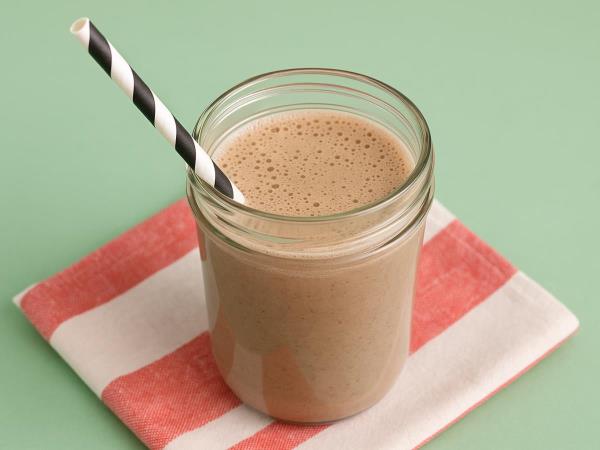
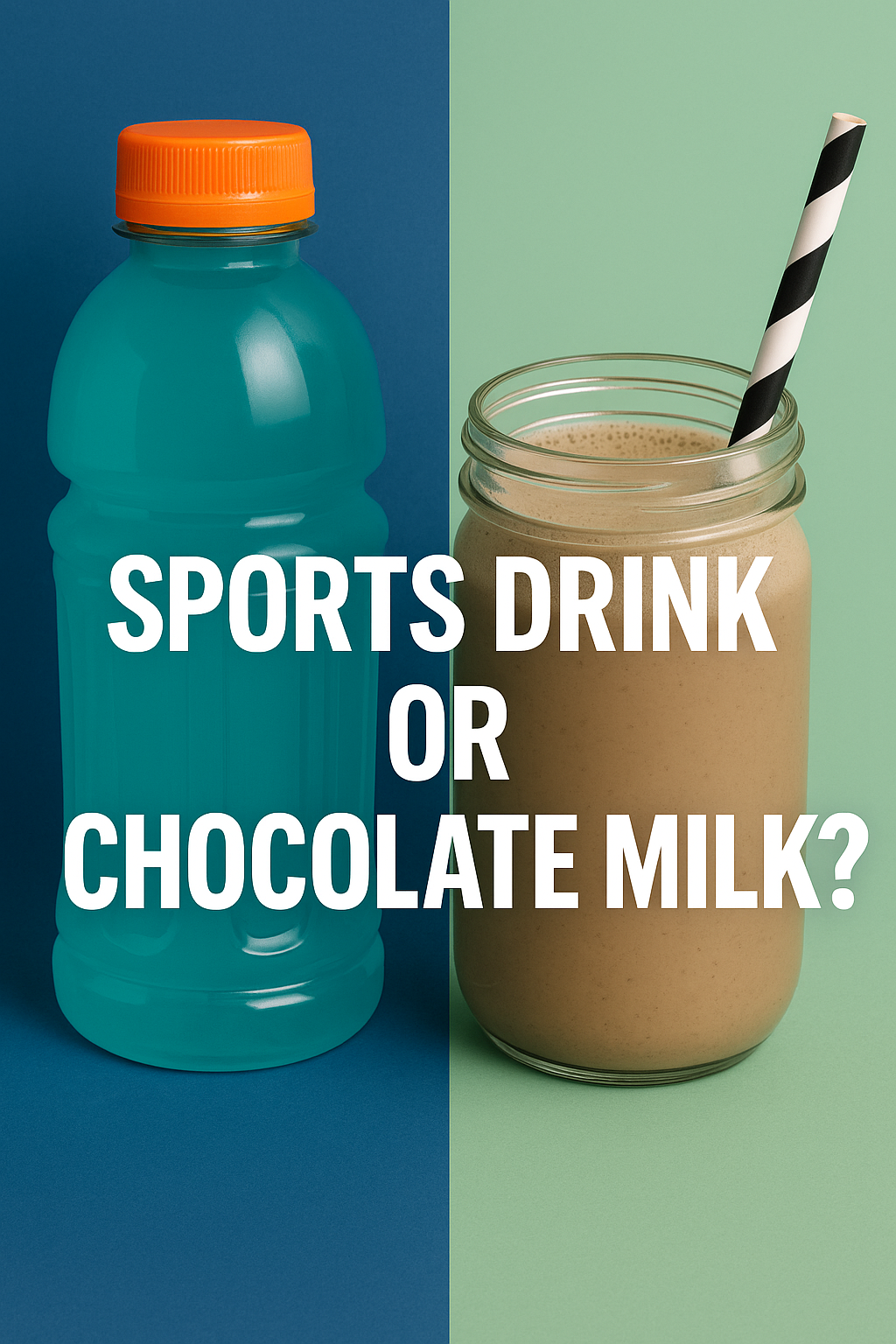
It sits in the dairy aisle next to the school lunch cartons and costs a fraction of a fancy recovery shake. Yet in several laboratory studies, plain chocolate milk held its own against brand-name sports drinks, and in some tests it came out ahead. Before you dismiss it as a childhood treat, take a closer look at what is in that glass and what the science really says.
One of the world's most famous swimmers is a loyal fan. Olympic champion Katie Ledecky, the most decorated female swimmer in history, went viral in 2020 when she swam the length of a pool with a glass of chocolate milk balanced on her head. She has also described how she reaches for a 12-ounce bottle of chocolate milk after every race or workout. She is far from alone. USA Swimming even named chocolate milk its "Official Recovery Beverage". Canadian Olympic triathlete Simon Whitfield said his team had been drinking it after hard sessions for years, long before the studies "justified" the habit.
More than just protein
Most of us know that after an intense workout, the body needs protein to help muscles repair. What is less well known is that chocolate milk provides not only protein but also several other nutrients that most sports drinks lack. It is no surprise, then, that many dietitians suggest a glass or two (roughly 250 to 400 ml) after a long or demanding training session, with plain water for the rest of your fluid needs.
Milk naturally provides high-quality protein, carbohydrates, water and electrolytes such as sodium and potassium. According to the Dairy Farmers of Ontario, one cup contains about nine grams of protein, a mix of fast-acting whey and slower-digesting casein. Milk also supplies calcium, magnesium, B vitamins such as B2 and B12, and in many countries added vitamins A and D. Low-fat chocolate milk keeps most of these nutrients with less fat, which is why it is the version most often used in studies.
Many sports nutrition experts point to a "sweet spot" for refuelling after endurance exercise of about 3 to 4 grams of carbohydrate for every gram of protein. Chocolate milk happens to land remarkably close to that ratio. As National Geographic explains, the added sugar is precisely what pushes it there. Some newer research questions how "magic" that exact ratio really is.
Exercise scientist Todd Miller of George Washington University summed it up well in the same article. His point was not that chocolate milk is better than every other recovery drink. It is that no other recovery drink has clearly proven itself better than chocolate milk.
What the studies found
The idea gained momentum in 2006, when researchers at Indiana University published the study "Chocolate Milk as a Post-Exercise Recovery Aid" in the International Journal of Sport Nutrition and Exercise Metabolism. Nine trained cyclists completed a tough interval workout, rested for four hours, then rode to exhaustion. During recovery they drank low-fat chocolate milk, a fluid-replacement sports drink or a carbohydrate-replacement drink. Both the chocolate milk and the fluid-replacement drink led to longer time to exhaustion and more total work than the carbohydrate drink.
A larger picture came in 2018 with a systematic review and meta-analysis in the European Journal of Clinical Nutrition, which pooled twelve controlled trials on trained athletes. Overall, chocolate milk did not significantly change most recovery markers compared with placebo or other sports drinks. In some comparisons, however, athletes were able to keep going longer afterwards. The authors concluded that chocolate milk gives results that are similar to, or in some cases better than, other recovery drinks. A more recent meta-analysis of randomized trials found that chocolate milk may help clear lactate after exercise more efficiently than other recovery beverages. It found no clear differences in markers of muscle damage.
A review published in Proceedings of the Nutrition Society adds that milk can support muscle protein synthesis, rehydration and glycogen restoration after exercise, often at least as well as commercial recovery products and at a much lower cost. An earlier review, "Milk: the new sports drink?", reached similar conclusions for strength training.
A fair word of caution: most of these studies were small and focused on young, well-trained athletes. The dairy industry has also actively promoted chocolate milk as a recovery drink, for example through the US "Built With Chocolate Milk" campaign. The evidence is encouraging, but "comparable to sports drinks" is a more honest summary than "miracle drink".
Timing: the first hour seems to matter
Tests suggest the period shortly after training is an especially useful time to refuel. Because liquids are easy to digest, a drink like chocolate milk delivers carbohydrates and protein quickly. Many experts suggest having it within roughly the first 45 to 60 minutes after a demanding session. Compared with many commercial sports drinks, which mainly supply sugar and electrolytes, chocolate milk also adds a meaningful dose of protein. Keep in mind, though, that chocolate milk contains added sugar too.
So, does it work for everyone?
Not necessarily. Chocolate milk makes the most sense after long or intense workouts, such as a long run, a cycling session, a hard match or two training sessions in one day. After a relaxed 30-minute walk or a light gym session, water and a normal balanced meal are usually enough. In that case, the extra sugar and calories may simply work against your goals. If you are trying to manage your weight, it is worth knowing which Hello, and Fattening: Foods that Sabotage Your Diet can quietly add up during the day.
It is also not suitable for everyone. As Healthline notes, people with lactose intolerance or a milk allergy should avoid it. Those with diabetes or blood-sugar concerns may want to limit milk and especially sweetened milk drinks. Lactose-free chocolate milk, or a fortified soy drink with similar protein content, can be an alternative. If you have a health condition, a quick chat with your doctor or a registered dietitian is always a good idea.
What readers tell us
A reader who trains for half-marathons told us she swapped her bright blue sports drink for a carton of chocolate milk after long Sunday runs: "My legs feel less heavy on Monday. And honestly, it is the only recovery drink I actually look forward to." Another reader, a father who coaches a youth football team, now brings chocolate milk to weekend tournaments with two or three matches a day, but keeps it as a treat for those days only. A third reader with mild lactose intolerance found that a lactose-free version worked just as well for her without any stomach discomfort.
How to make it work for you
- Choose wisely: Low-fat chocolate milk with a moderate amount of added sugar is the version most often used in research. Check the label and compare brands.
- Make your own: Mix a glass of milk with a teaspoon of unsweetened cocoa and a little honey. Blend in half a banana for extra carbohydrates and potassium.
- Keep portions sensible: One or two glasses after a demanding session is plenty. Drink plain water for the rest of your fluid needs.
- Do not forget the rest of recovery: A balanced meal, rest and good sleep matter at least as much as any drink. Here is why skimping on sleep can backfire: When you sleep too little, your belly grows.
The bottom line
Chocolate milk will not turn anyone into an Olympic champion, but it is an affordable, tasty and widely available option that may support recovery after hard training about as well as many commercial sports drinks. For casual exercise, water is usually all you need. For longer or tougher sessions, that "kids' drink" in the fridge might be a smarter choice than you think.
Information on this website is for educational purposes only and is not medical advice.
expert, nutritionist
 Would you like to be informed about news on the website?















|

