





Cold Sores on the Lip: Coincidence or a Hidden Message from Your Body?
expert, nutritionist
Two out of three people on the planet are carrying a virus right now that they will most likely never get rid of. You may be one of them. According to the World Health Organization (WHO), around 64% of people under the age of 50 worldwide carry herpes simplex virus type 1 (HSV-1), the virus that causes cold sores. Most of the time it stays quiet. But when it wakes up and a cold sore appears on your lip, that is rarely random. It usually happens when your immune system is under strain, and that does not happen without a reason.
Even celebrities are not spared. American TV host and comedian Rosie O'Donnell told her followers in a TikTok video in December 2024 that she had developed a sore on her lip and wondered whether it could be from sitting in the sun the day before, even though she had worn sunscreen. A day later she confirmed it was a cold sore and summed it up in one sentence many of us can relate to: stress can do horrible things. Sun, stress, a busy and emotional period, and suddenly a blister appears. That combination is exactly what this article is about.
A stubborn and very common nuisance
Cold sores are a very unpleasant and persistent nuisance that we cannot simply get rid of. There is still no cure that removes the virus from the body, and no vaccine. However, medicine is not completely powerless: according to the NHS, antiviral creams available at pharmacies may help speed up healing if used as soon as you feel the first tingling, and doctors can prescribe antiviral tablets for frequent or severe outbreaks.
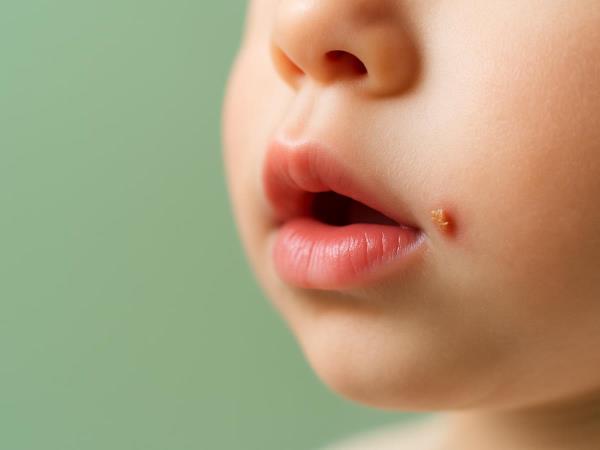
There are several types of herpes viruses, and the one that attacks the lips is herpes simplex type 1. Do not think of it as an entirely harmless virus. It is carried by roughly two thirds of the world's population and is highly contagious. If it were a brand-new virus, it would be making headlines every day. Cold sores usually begin in moist, delicate areas around the mouth, which become inflamed, itchy, tingly, and swollen before small fluid-filled blisters appear.
In most healthy adults, a cold sore heals on its own within one to two weeks. Sometimes, especially during the first infection in young children, the virus can cause sores on the inner side of the lips, on the gums, and in the mouth and throat. Rarely, it can spread to other areas such as the eyes, which is why the Mayo Clinic advises seeing a doctor if you have eye symptoms, a weakened immune system, or sores that do not heal. That is also why doctors place such strong emphasis on hygiene.
How the virus spreads
The virus spreads through close contact with saliva or the skin around the mouth. One of the most common ways to catch it is by drinking from a glass someone else has just used, sharing cutlery, towels or lip balm, or through kissing. The risk is highest when blisters are visible, but the virus can occasionally be passed on even when there are no visible symptoms. Interestingly, one person's body may keep the virus well under control, while another person who catches it from them may experience regular outbreaks. This is what makes its spread so unpleasant and hard to notice.
Very often, children catch the virus as early as kindergarten or school. Once you have the virus, it stays in your nerve cells in a dormant state, and there is a good chance you will live with it for the rest of your life.
And this is where the real question begins...
When does a cold sore appear?
Cold sores are also known as "fever blisters", and for good reason: they often appear after a fever, sometimes one so mild and short-lived that you barely notice it. A cold sore can therefore be a sign that your body has just been dealing with an infection or another internal challenge. Rather than seeing it as a threat, it is more useful to see it as a reminder that your defenses have been working hard and could use some support.
Cold sores also tend to appear when you have been under stress for a long time, during a cold, the flu, and similar illnesses. They show up most often when your immune system is temporarily weakened. Research reviewed in Nature Reviews Immunology describes how chronic stress can affect the immune response and is associated with reactivation of latent viruses such as herpes.
This often happens when we do not get enough sleep, eat irregularly, or go through major hormonal changes, for example during menstruation. Sleep matters more than many of us think: a study published in the journal Sleep found that people who slept fewer than six hours a night were more likely to catch a cold after being exposed to a cold virus. For more on what too little sleep does to your body, read When you sleep too little, your belly grows.
The simplest way to support your body at such times is a more balanced diet, more sleep, and "less" work.
What a nutritionist would put on your plate
No single food can prevent cold sores, but a varied diet gives your immune system the building blocks it needs. Practical choices include:
- Vitamin C sources such as peppers, citrus fruits, kiwi, broccoli, and berries.
- Zinc-rich foods such as legumes, eggs, fish, seafood, and pumpkin seeds, which support normal immune function.
- Protein at every meal, because the body needs protein to build immune cells and repair skin.
- Fermented foods such as plain yogurt and kefir, which support a healthy gut microbiome.
- Regular meals instead of skipping breakfast and grabbing sweets on the go.
You may have heard about the amino acids lysine and arginine. Some people with frequent cold sores report that they feel better when they eat more lysine-rich foods (dairy, fish, poultry, legumes) and fewer arginine-rich foods (chocolate, nuts, seeds) during stressful periods. The scientific evidence is limited and mixed, so this is something you can try with sensible food choices rather than a guaranteed solution. Before taking any supplements, talk to your doctor or pharmacist.
Warm, comforting drinks can also be part of a self-care routine during colder months. Try the idea from Warm Water with Turmeric Against Winter Troubles.
And there is one more trigger!
Cold sores can also appear after too much or too intense exposure to the sun. Ultraviolet (UV) light is a well-known trigger, which is why lip balms with SPF are often recommended for people prone to outbreaks.
Do not assume we are only exposed to strong sun in summer. This can happen in autumn and winter too. A short time in the sun is usually enough for the skin to produce some vitamin D, although needs vary by season, skin type, and age, and many people in northern countries may need to discuss supplements with their doctor during winter, as explained by the NIH Office of Dietary Supplements.
We should also keep in mind that the sun in the city is different from the sun in the mountains. According to the WHO, UV radiation increases with altitude, and fresh snow can reflect up to 80% of it. That is why skiers and hikers often notice cold sores appearing much sooner and more often in the mountains. A lip balm with SPF in your pocket is a small habit that can make a big difference.
Practical tips during an outbreak
- Do not touch, squeeze, or pick the blisters, and wash your hands after applying cream.
- Avoid kissing and sharing glasses, cutlery, towels, or lip balm until the sore has fully healed.
- Be especially careful around newborns and people with weakened immune systems.
- Very salty or acidic foods may sting, so many people find milder foods more comfortable for a few days.
- See a doctor if outbreaks are frequent, very painful, last longer than two weeks, or if your eyes are affected.
A traffic light worth paying attention to
Either way... the cold sore is undoubtedly one of humanity's most common nuisances. But if we understand how it works, it can become a useful traffic light that tells us something in our daily routine needs attention. So the next time a cold sore appears, take it as a friendly reminder to sleep a little more, eat a little better, step back from stress, and protect your lips from the sun.
Information on this website is for educational purposes only and is not medical advice.
expert, nutritionist
 Would you like to be informed about news on the website?















|

