





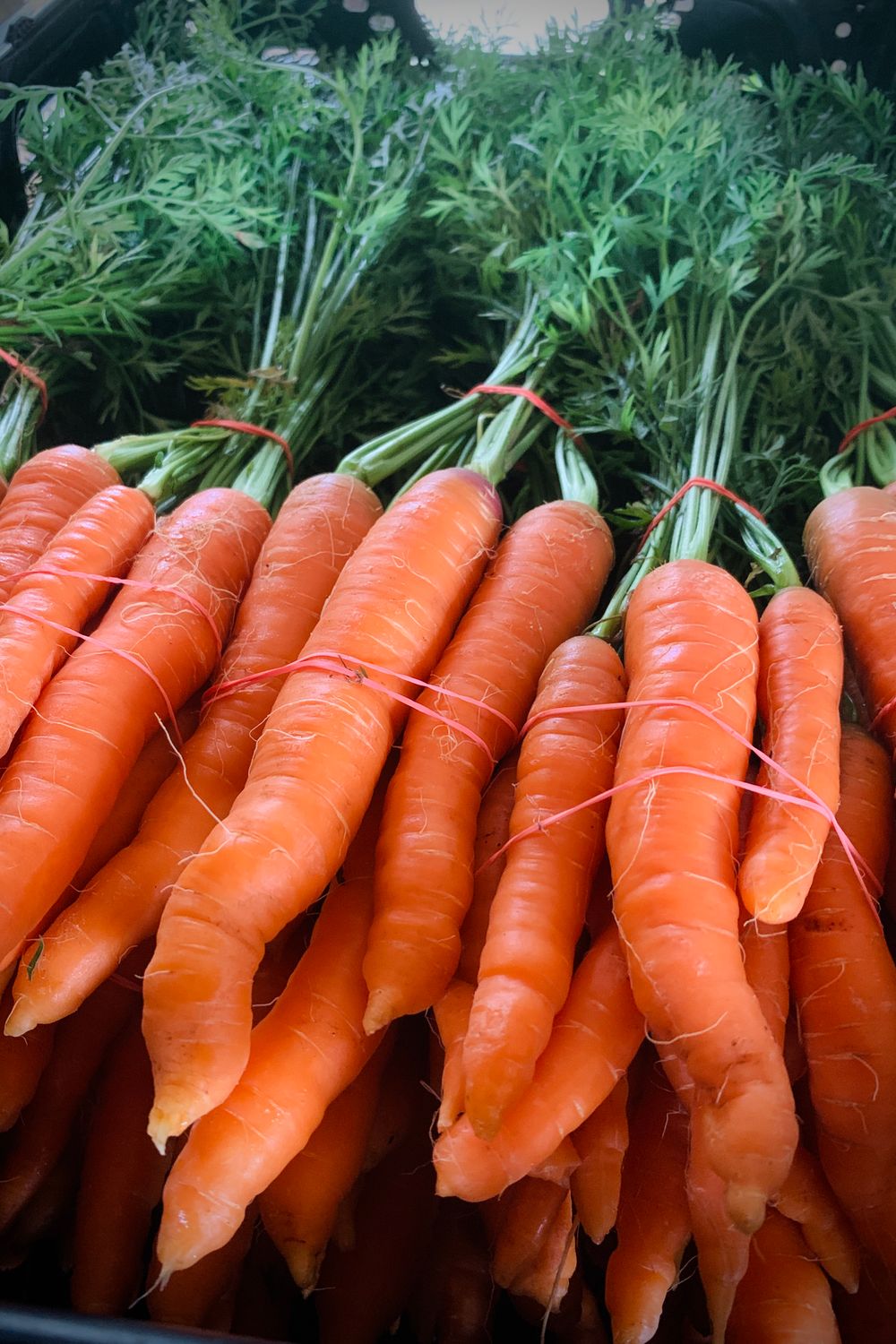


New research suggests the beta-carotene in carrots may be far easier for the body to absorb once cooked than raw
expert, nutritionist
I know someone who, on a doctor's suggestion, started eating raw carrots every day to support his eyesight. Three months later, he noticed no real difference. Then he switched to cooked carrots with a small pat of butter — and within six weeks, he says he could tell something had changed. His experience is what sent him (and later, me) down a rabbit hole of research, and what turned up was more surprising than expected.
Why cooked carrots may outshine raw ones
Most vegetables lose nutrients during cooking. Carrots are a notable exception. Carrots are rich in beta-carotene, which the body converts into vitamin A — a nutrient that plays a key role in maintaining healthy vision, particularly in low light. But the more interesting question isn't how much beta-carotene carrots contain, it's how much of it your body actually absorbs.
That's where it gets interesting: Foodwhisper's own research into foods that are healthier cooked than raw points to studies showing raw carrots offer roughly 11% beta-carotene bioavailability, while cooked carrots can reach up to 75%. That figure lines up with a widely cited study published in the European Journal of Nutrition, which found that participants absorbed significantly more beta-carotene from cooked, pureed carrots than from raw, chopped ones — with cooked carrots showing roughly 65% carotenoid absorption compared with about 41% for raw. A related in vitro digestion study found a similar pattern: cooking, especially when combined with a bit of oil, appears to break down the tough plant cell walls that otherwise trap beta-carotene inside the vegetable, making it far more accessible during digestion.
The numbers add up quickly: some analyses suggest that 100 grams of cooked carrot can cover several times the recommended daily intake of beta-carotene. Cooking also appears to make other nutrients more available, including certain B vitamins, folate, phosphorus, potassium, and manganese — and research from the ScienceDirect study on carotene bioaccessibility found that adding a bit of olive oil to cooked carrots increased the release of carotenes even further.
A practical tip: Beta-carotene is fat-soluble, meaning your body tends to absorb it more easily alongside a small amount of healthy fat. As Foodwhisper has explored when looking at how fats improve nutrient absorption, fat-soluble compounds like beta-carotene are typically used more efficiently when eaten with a source of fat — which is why a carrot lightly saut{-15447}ed in butter or drizzled with olive oil may offer more than one boiled in plain water.
What beta-carotene may do for your body
Carrots are a well-known source of beta-carotene, which the body can convert into vitamin A — a nutrient that supports eye health, and a shortfall of which has long been associated with difficulty seeing in low light. As Foodwhisper has noted among vegetables that support the body, adequate vitamin A intake is also generally considered supportive of skin and immune health, particularly during childhood growth.
Carrots also contain potassium, which plays a role in blood pressure regulation, and dietary fiber that supports healthy digestion — a point Foodwhisper has touched on in its overview of high-fiber foods, which ranks carrots among the more fiber-rich vegetables people eat regularly.
Some early research has also looked at antioxidants in carrots in connection with general markers of long-term health, though it's worth being careful with this kind of claim — no single food acts as a stand-alone solution, and any protective effect is best understood as one small piece of an overall healthy, varied diet rather than a guarantee on its own. As always, this is general nutrition information, not medical advice, and anyone with specific health concerns should check with a doctor or registered dietitian.
How to cook carrots the easy way
The process is simple and takes less than half an hour:
- Wash and peel the carrots, then slice them into rounds or strips.
- Place them in a pot of water and simmer for about 20 minutes, until tender.
- Once cooked, saut{-15447} briefly in a small pat of butter or a drizzle of olive oil for a minute or two, and season lightly with salt.
It's a simple side dish that even kids tend to enjoy. If you'd rather try something with a bit more character, Foodwhisper's honey-carrot mixture is a longtime reader favorite, especially around cold season.
Is cooked always better than raw?
Not necessarily — and that distinction matters. Carrots are one of the exceptions rather than the rule. Many vegetables are actually more nutritious raw, since a number of antioxidants don't hold up well to heat, while others are fat-soluble and depend on the right kind of preparation to be absorbed at all. Cooking is a mixed bag even for a single vegetable: Foodwhisper's own reporting on foods that are healthier cooked than raw notes that while cooking helps release beta-carotene from carrots, it can also reduce certain heat-sensitive nutrients elsewhere in your meal — for instance, boiling can strip away a large share of vitamin C.
Carrots happen to land on the "cooking helps" side of that ledger. The takeaway: pay attention to how you prepare your vegetables. A small change in the kitchen can make a real difference in what your body actually gets out of your plate.
Information on this website is for educational purposes only and is not medical advice.
expert, nutritionist
 Would you like to be informed about news on the website?















|

