






Boil the Tomato, Leave the Spinach Raw: What Heat Really Does to Your Food
expert, nutritionist
Most of us were taught a simple rule growing up: raw is healthier than cooked. Steam it lightly, eat it fresh, never overcook a vegetable. But that rule turns out to be only half true. Some vegetables genuinely become more nutritious once they hit the pan — while others lose their best qualities the moment they're heated. Getting this backwards, dish by dish, is one of the easiest ways to unknowingly waste the nutritional value sitting right there on your plate.
One home cook who spent years chasing "clean eating" trends put it well in an online forum after finally digging into the research: she'd spent a decade eating tomatoes exclusively raw in salads, convinced she was maximizing their benefit — only to learn that her homemade tomato sauce, simmered for half an hour, was actually delivering far more usable lycopene than any salad ever had. It's a small realization, but it captures exactly why the raw-versus-cooked question deserves more nuance than either camp usually gives it.
Tomatoes: better cooked, not raw
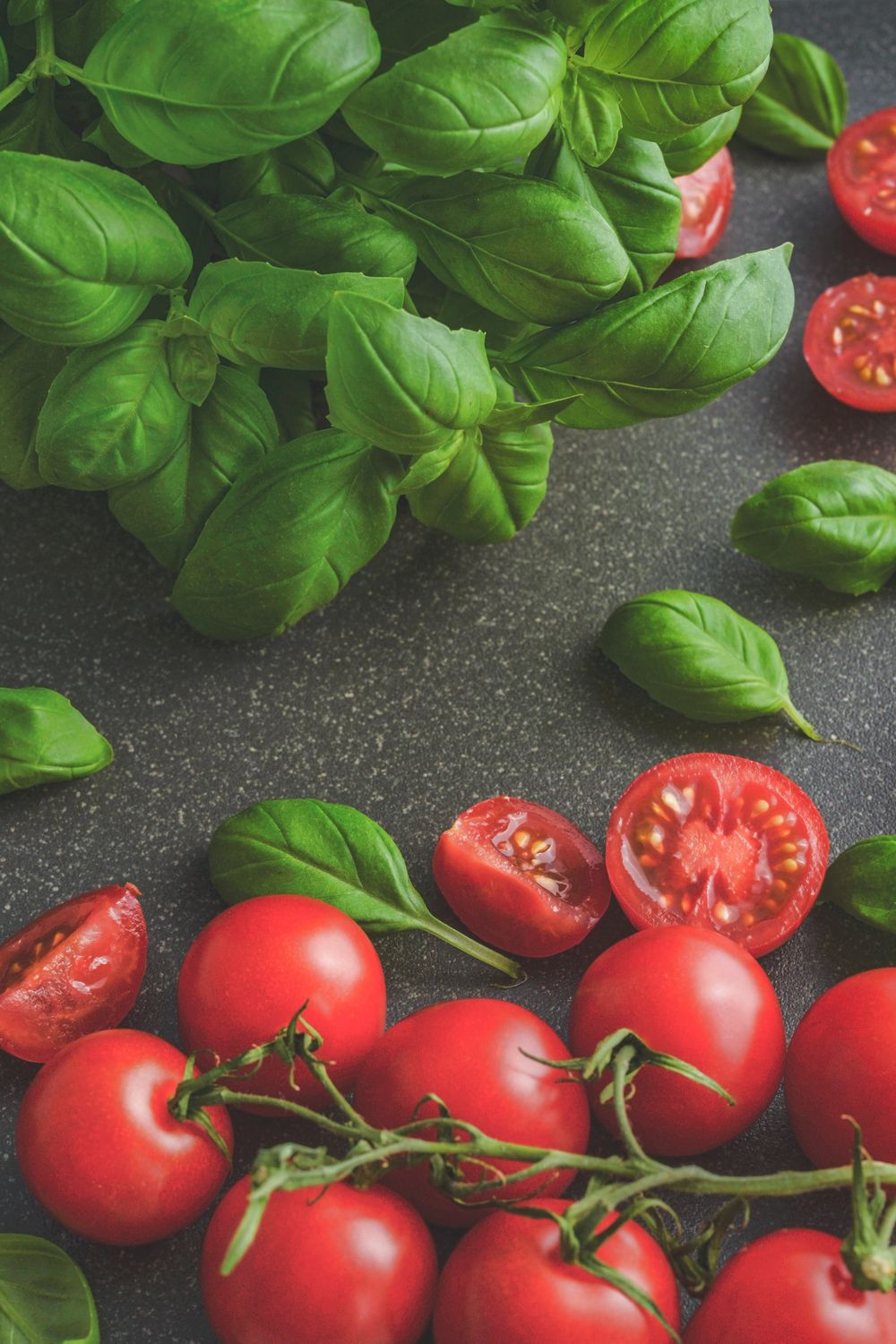
Tomatoes are famous for lycopene, the antioxidant compound linked to supporting heart health and cell protection. But lycopene is trapped inside the tomato's plant cell walls, and raw tomatoes release only a fraction of it during digestion. Cooking breaks those walls down. A widely cited food-science study on how cooking conditions affect lycopene content in tomatoes found that gentle heat over time preserved and even concentrated lycopene, while very high, fast heat (like frying) degraded it. As Foodwhisper's guide to foods that improve nutrient absorption notes, pairing cooked tomatoes with a source of healthy fat — a drizzle of olive oil, a few slices of avocado — further boosts how much lycopene your body actually absorbs.
This is also why grandmothers' habit of dressing tomato salad generously in olive oil wasn't just about flavor: fat helps unlock lycopene even from raw tomato, though nowhere near as effectively as heat does.
Broccoli and other cruciferous vegetables: a genuine trade-off
Broccoli is where the "raw is always better" rule runs into real trouble, because the science genuinely points in two directions at once. Raw broccoli contains sulforaphane, a compound studied for its potential role in supporting the body's natural defenses, and a controlled human trial found that raw broccoli delivered roughly ten times more bioavailable sulforaphane than cooked broccoli, because the enzyme that activates sulforaphane is destroyed by heat.
But other research complicates the picture. A separate study on boosting sulforaphane formation in cooked broccoli found that adding a pinch of powdered mustard seed — which contains its own heat-resistant version of the activating enzyme — largely restores what cooking would otherwise remove. Foodwhisper's overview of commonly mishandled foods notes the same finding: many of broccoli's most valued compounds survive best either raw or with no more than 1–2 minutes of light steaming.
The same logic extends to the rest of the cruciferous family — kale, cauliflower, turnip, Chinese cabbage, Brussels sprouts, radish, kohlrabi. These vegetables also contain compounds that, in their raw state, can interfere with normal thyroid hormone production in large amounts, so a brief steam is generally the more balanced approach. Foodwhisper's piece on why Brussels sprouts do better roasted than boiled makes a similar case: a short blast of dry heat protects more of the vegetable's antioxidants than a long simmer in water ever could.
Foods you should genuinely never eat raw
A separate category altogether are the vegetables that are not just less nutritious raw — they can be mildly toxic. Raw or undercooked potatoes, unripe eggplant, dried beans, soybeans, and lentils all contain natural plant defense compounds — lectins in the case of legumes and solanine-type glycoalkaloids in nightshades like potato — that cooking neutralizes. The European Food Safety Authority has specifically flagged undercooked beans as a public health concern, since proper soaking and boiling is what deactivates the compound responsible for gastrointestinal symptoms. This is one area where "eat it raw for the nutrients" simply doesn't apply — these are foods to cook fully, always.
Carrots: heat unlocks beta-carotene
Carrots follow the same pattern as tomatoes. Cooking softens the tough plant cell walls that trap beta-carotene, the compound the body converts into vitamin A. According to Foodwhisper's comparison of foods that are healthier cooked than raw, the bioavailability of beta-carotene from cooked carrots is dramatically higher than from raw carrots — largely because cooking also releases some of the fats bound within the vegetable's structure, and beta-carotene is fat-soluble, so it travels more efficiently into the bloodstream once heat has done its work.
Spinach: usually best left raw
Spinach breaks the "cook your vegetables" pattern almost entirely. It's rich in vitamin C, folate, and a wide spread of antioxidants and minerals that support the immune system, brain, and heart — but many of these are heat-sensitive. A classic clinical trial on calcium absorbability from spinach found that, oxalate-bound or not, spinach's calcium is poorly absorbed either way — but the vegetable's vitamin C and folate content, which are genuinely valuable, degrade significantly once heated. That's why spinach shines as a salad base, a smoothie or dessert addition, or a topping added to a dish only after cooking has finished.
That said, it isn't quite as one-sided as "never cook spinach." Because spinach also contains oxalic acid, which binds to calcium and iron and limits how much of those minerals your body can use, brief cooking does modestly improve mineral availability — it's simply a genuine trade-off between vitamin C on one side and mineral absorption on the other, not a clear-cut win either way.
Cabbage: worth eating both ways
Cabbage offers one of the better arguments for variety rather than a single "correct" method. Raw cabbage delivers a strong dose of vitamin C along with vitamin A, a fat-soluble nutrient best absorbed alongside a little healthy oil — which is exactly why a raw cabbage slaw dressed in olive oil is a genuinely smart combination. Cooked cabbage, meanwhile, releases more of its antioxidant compounds and makes its calcium and other minerals easier for the body to use, while also retaining meaningful amounts of folate. In short: there's a solid nutritional case for eating cabbage both raw and cooked, rather than choosing one over the other.
Seasoning with black pepper: timing matters less than you'd think
One popular kitchen habit holds that pepper should only be added to food once it's cooled, because heat supposedly destroys its benefits. The research tells a more reassuring story. Black pepper's most studied compound, piperine, is prized for a completely different reason: it's a genuine bioavailability enhancer, shown in clinical research on piperine and nutrient absorption to improve how efficiently the body absorbs compounds like beta-carotene, iron, and B vitamins when pepper is eaten alongside them — whether the dish is warm or not. There's no strong evidence that seasoning hot food specifically wastes pepper's benefits, so this is one kitchen myth you can safely set aside.
So, raw or cooked?
Eating a diet rich in raw produce comes with real advantages: generally lower intake of added fats, sugar, and salt, along with heat-sensitive nutrients that survive intact. But a diet built entirely around raw food also has limits — the body is simply better at extracting certain nutrients, like lycopene, beta-carotene, and sulforaphane's cousins in some vegetables, once those foods have been cooked. The most balanced approach isn't choosing a side; it's matching the method to the vegetable, and building a varied plate — raw and cooked — rather than a rigid rule applied to everything you eat.
Information on this website is for educational purposes only and is not medical advice.
expert, nutritionist
 Would you like to be informed about news on the website?














|

