




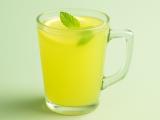
4 Ingredients, One Evening Glass: A Ginger, Cucumber, Parsley & Lemon Drink That Supports a Healthy Metabolism
expert, nutritionist
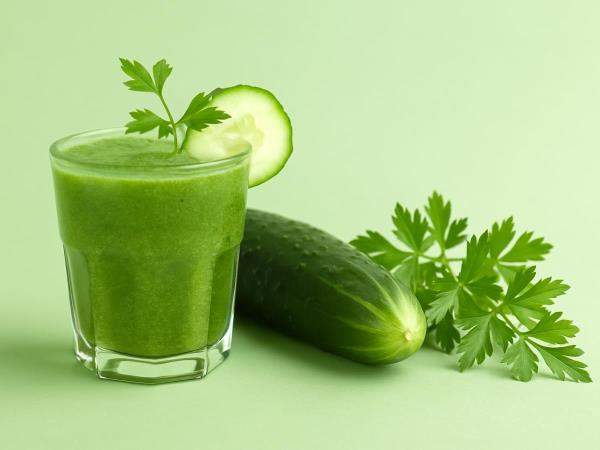
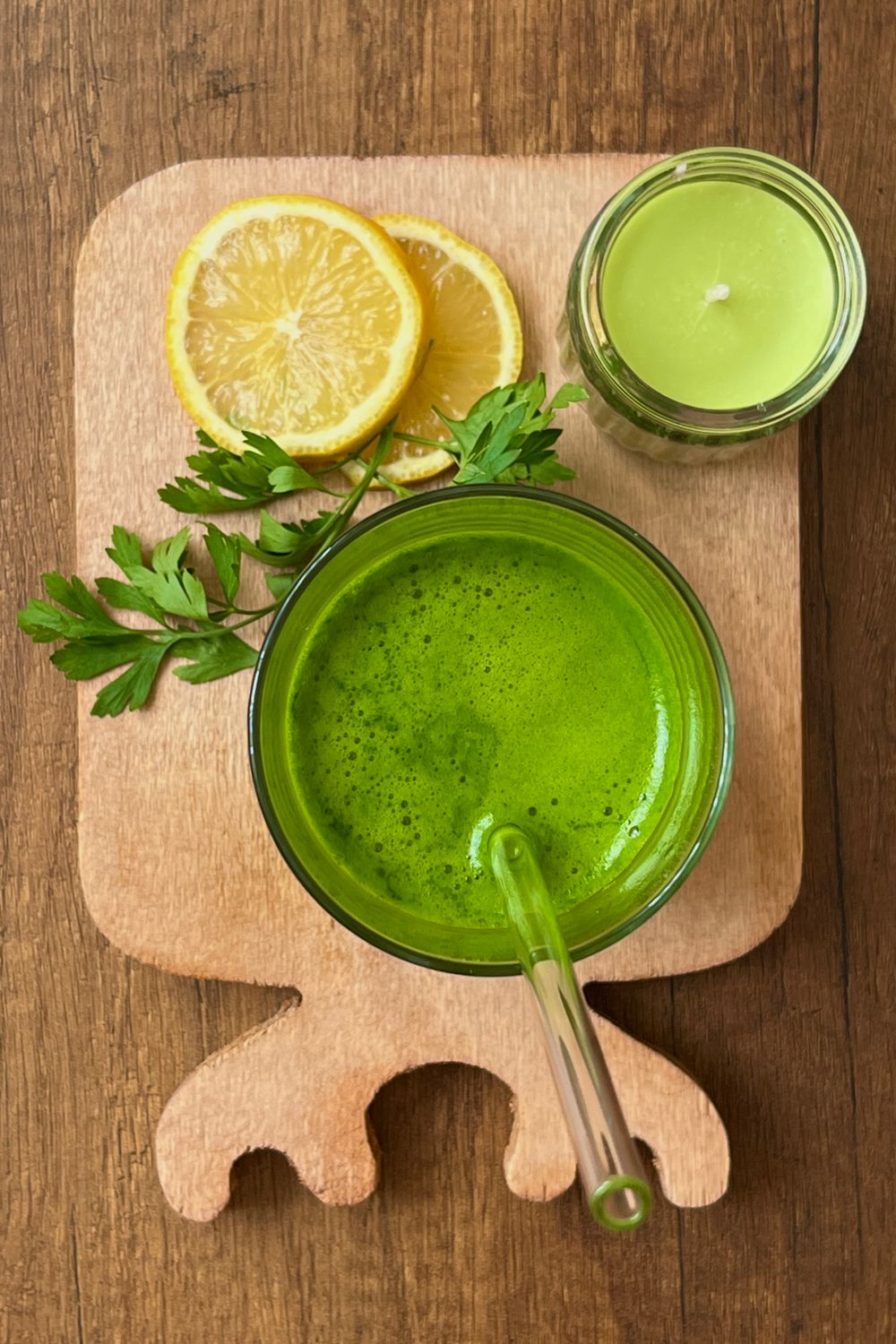
Picture this: it's half an hour after dinner, the kitchen is quiet, and instead of reaching for dessert or scrolling through your phone, you blend four ingredients you probably already have in your fridge — ginger, cucumber, parsley, and lemon — into one soothing glass. It sounds almost too simple to matter. And yet this small evening habit has become one of the most talked-about rituals among people looking for an easy way to support digestion and feel a little lighter before bed.
Many home cooks and wellness bloggers who've tried an evening version of this drink describe a similar pattern: a feeling of lightness the next morning, fewer bouts of after-dinner bloating, and — perhaps most importantly — a calming, almost ritualistic pause at the end of a busy day. "It's less about a miracle and more about a habit that makes me pay attention to how I eat," one home cook wrote in a popular recipe forum thread on the topic. That combination of a small self-care ritual with genuinely functional ingredients is likely why the drink keeps resurfacing across food and wellness communities.
What's actually in this glass — and why it might help
Before diving into the recipe, it's worth understanding why these four ingredients were chosen together. None of them are magic, but each has a reasonable body of research behind its traditional use.
Ginger has long been used to ease digestive discomfort, and modern research backs up at least part of that reputation. A review of clinical trials on ginger and bowel disease found that ginger significantly reduced overall symptoms of irritable bowel syndrome and improved quality of life compared to a placebo, including improvements in bloating, abdominal pain, and gas (ScienceDirect, 2024). Other research has linked ginger to improved gastric motility and reduced bloating and nausea in people with functional digestive complaints (National Center for Biotechnology Information). Researchers believe this happens because ginger contains compounds called gingerols and shogaols that interact with serotonin receptors lining the intestines, influencing how digestive muscles contract and move food along (ScienceInsights).
Parsley is the ingredient with the most robust diuretic research behind it. A frequently cited pharmacological study found that parsley seed extract significantly increased urine flow, with the effect linked to how the herb influences potassium and sodium handling in the kidneys (PubMed / Journal of Ethnopharmacology). A more recent review similarly notes that parsley's diuretic qualities may help support the elimination of excess fluid and waste from body tissues, alongside its recognized antioxidant properties (ResearchGate).
Cucumber plays a gentler, supporting role. Comparative reviews describe cucumber as sitting on the milder end of the natural-diuretic spectrum, with its main strength being a high water content that promotes a subtle increase in urine flow — useful for everyday hydration rather than a dramatic effect (ShunCy). It's also, quite simply, one of the easiest ways to add water and crunch to a drink without adding sugar.
Lemon rounds out the glass with its bright acidity and vitamin C content. While the word "detox" gets used loosely online, lemon's real contribution here is flavor balance and a dose of vitamin C — it makes an otherwise vegetal-tasting drink genuinely pleasant to sip.
Put together, this is a low-calorie, hydrating drink built from real food — not a miracle cure. If you're managing a health condition, are pregnant, or take prescription medication (parsley in particular can interact with certain diuretics and blood thinners, per the ingredient's own research literature), it's worth checking with your doctor before making it a regular habit.
The Recipe
Ingredients:
- 200 ml (about ¾ cup) water
- 2 tablespoons freshly grated ginger
- 1 medium cucumber
- 2 sprigs fresh parsley
- Juice of ½ a lemon
Preparation:
Add the cucumber and parsley to a blender and blend until smooth. Add the grated ginger and lemon juice, then pour in the water and blend again. Adjust the amount of water to taste — less for a thicker drink, more for something lighter. Although this is a vegetable-based drink, you can sweeten it lightly with honey or stevia if you prefer; otherwise, it's best enjoyed without added sugar.
How to build it into your routine
If you'd like to try it, a reasonable approach is to drink it in the evening — about half an hour after dinner and half an hour before bed — for one to two weeks, then take a break before starting again if you'd like to continue. During the day, many people find it helpful to eat smaller, more frequent meals (some aim for five, or even seven, smaller meals) rather than two or three large ones, simply because it can make portion control feel more manageable. As with any dietary change, the biggest factor for your overall wellbeing is still eating a balanced number of calories appropriate for your body, activity level, and goals — no single drink replaces that.
Give it a few days of consistent use before judging whether it's a habit worth keeping. For some people the biggest win isn't physical at all — it's simply having a calm, screen-free five minutes at the end of the day.
Information on this website is for educational purposes only and is not medical advice.
expert, nutritionist
 Would you like to be informed about news on the website?











|

