





The Five-Ingredient Beet and Carrot Tonic Slovenian Grandmothers Swear By
expert, nutritionist
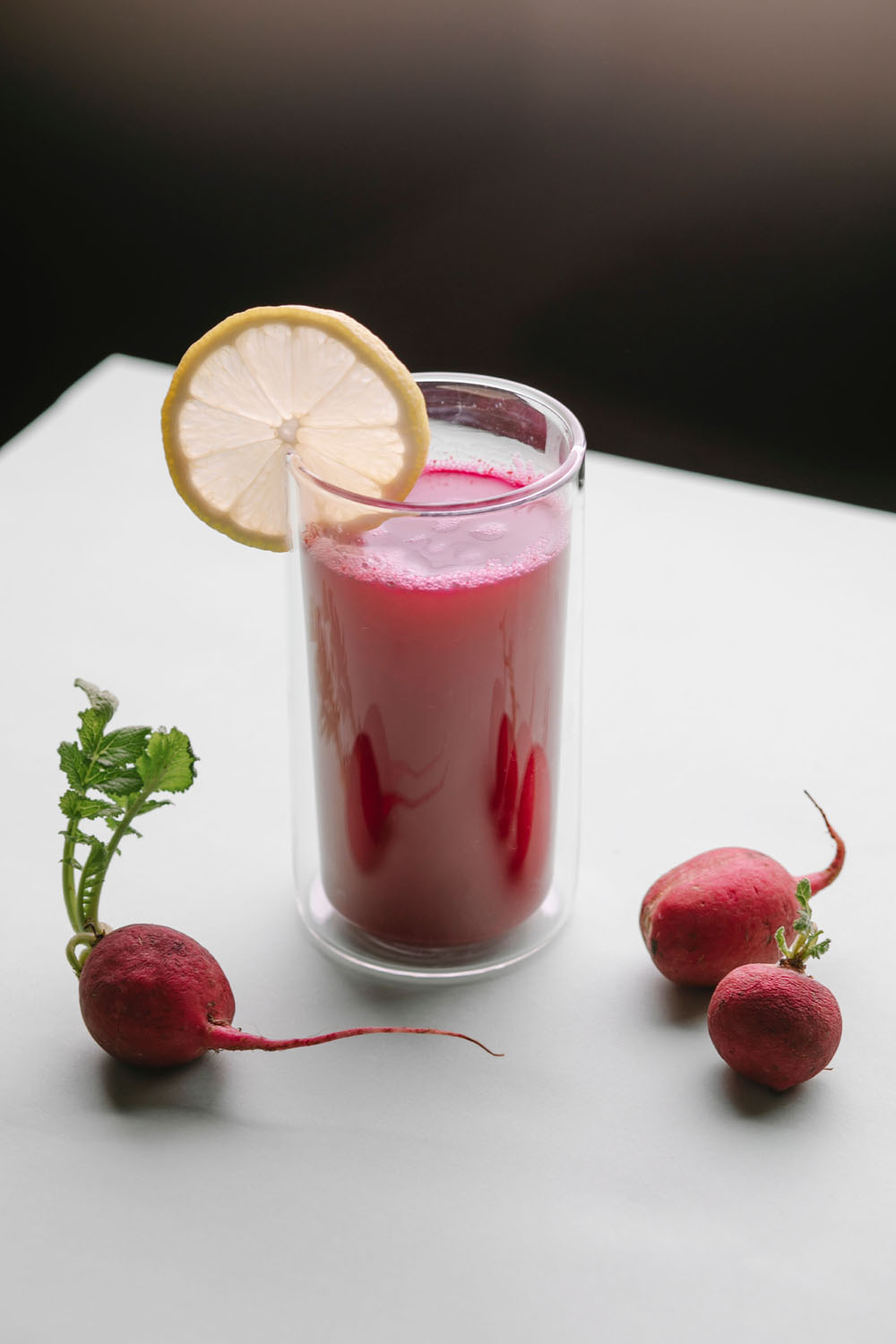
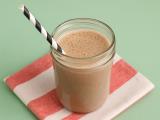
There's a certain kind of drink that shows up in almost every Central European household at some point — usually made by a grandmother, usually served with the quiet confidence that it "cleans everything out." This beet and carrot tonic is one of those recipes. It's not a miracle cure, and no drink is. But the five ingredients in it — beets, carrots, dried apricots, raisins, and honey — are genuinely interesting from a nutrition standpoint, and there's real science behind several of the traditional claims made about them.
A home cook from a small town in the Alpine region once described making a version of this drink every autumn, after her own mother taught her the recipe decades earlier — "not because we thought it was medicine," she said, "but because it tasted like the change of seasons, and it made us feel like we were doing something good for ourselves." That's probably the most honest way to think about it: less a cure, more a comforting, nutrient-dense ritual.
Ingredients
- 1 cup freshly cooked carrots
- 1 cup red beetroot
- 5–6 dried apricots
- A small handful of raisins
- 1 tablespoon honey
How to Prepare It
Chop the vegetables and fruit into small pieces. Cover the beet and carrot mixture with boiling water — enough that the vegetables sit at least a couple of centimeters below the surface. Add the chopped apricots and raisins, and stir gently.
Once the water has cooled slightly, return the pot to the stove and bring it back to a boil. Remove from heat, let it cool a little further, and stir in the honey only at the very end — adding it while the liquid is still very hot can degrade some of honey's beneficial enzymes and compounds.
Let the mixture rest for at least 12 hours so the flavors and nutrients from the ingredients can properly infuse. Drink 100–150 ml, up to three times a day, ideally before meals.
As with any concentrated fruit-and-vegetable drink, this isn't meant to replace meals or medical treatment — think of it as a nutrient-rich addition to an already balanced diet, not a detox protocol.
What the Ingredients Actually Do
Beetroot
Beets are often nicknamed a nutritional powerhouse, and the label is reasonably well earned: they're a source of potassium, folate, iron, and vitamin C, along with plant compounds called betalains that give them their deep red color and strong antioxidant activity. Laboratory and animal studies have found that beetroot extracts can help protect liver cells from oxidative stress, and a small randomized trial in patients with fatty liver disease found that beetroot juice was associated with improvements in liver enzyme markers (Frontiers in Nutrition, 2023; Scientific Reports, 2024). This is early-stage research, not a green light to treat any liver condition at home — but it does help explain why beets have such a long history in folk remedies for digestion and liver support.
Carrots
Carrots owe their color — and much of their reputation — to beta-carotene, which the body converts into vitamin A. Vitamin A plays a well-documented role in immune function, skin health, and vision (NIH Office of Dietary Supplements). It's worth noting that more isn't automatically better here: large clinical trials have found that high-dose beta-carotene supplements (not the amount you'd get from food) can actually increase lung cancer risk in smokers, which is a good reminder that food-based sources are the safer way to get it.
Dried Apricots and Raisins
Both are concentrated sources of fiber, potassium, and iron, which is part of why dried fruit has traditionally been associated with digestive and energy support in folk medicine. Because drying concentrates natural sugars, they're best enjoyed in modest amounts — exactly the kind of small handful this recipe calls for.
Honey
Honey has a genuinely well-studied antibacterial profile, largely due to its low water content, natural acidity, and hydrogen peroxide production — properties that have made it a subject of real clinical research in wound care (PubMed, 2014; PMC, 2023). Most of that evidence is about topical use on skin and wounds rather than drinking it, but it does support honey's long folk reputation as a soothing, mildly antimicrobial ingredient — one more reason it's traditionally stirred into home remedies like this one.
The Takeaway
This tonic won't detoxify your organs — the liver and kidneys already do that job continuously, and no single drink can do it for them. What it can offer is a tasty, low-effort way to add antioxidant-rich vegetables, fiber, and a few genuinely interesting plant compounds to your week. If you're managing a health condition or taking medication, it's worth checking with a doctor before adding any concentrated new drink to your routine — beets in particular can interact with certain medications and are not suitable in large amounts for people with kidney stones or low blood pressure.
Information on this website is for educational purposes only and is not medical advice.
expert, nutritionist
 Would you like to be informed about news on the website?









|

