






Spicy for a Longer Life: What Makes the Chili Pepper So Special
expert, nutritionist
Could something as simple as a chili pepper on your plate be linked to a longer life? A large-scale study co-led by researchers at Harvard found that people who ate spicy food regularly had a 14% lower risk of death during the study period compared to those who rarely touched the stuff. That's not a small number for something as ordinary as a pepper — and it's part of why scientists have kept digging into what's really going on.
Even Hillary Clinton Swears By It
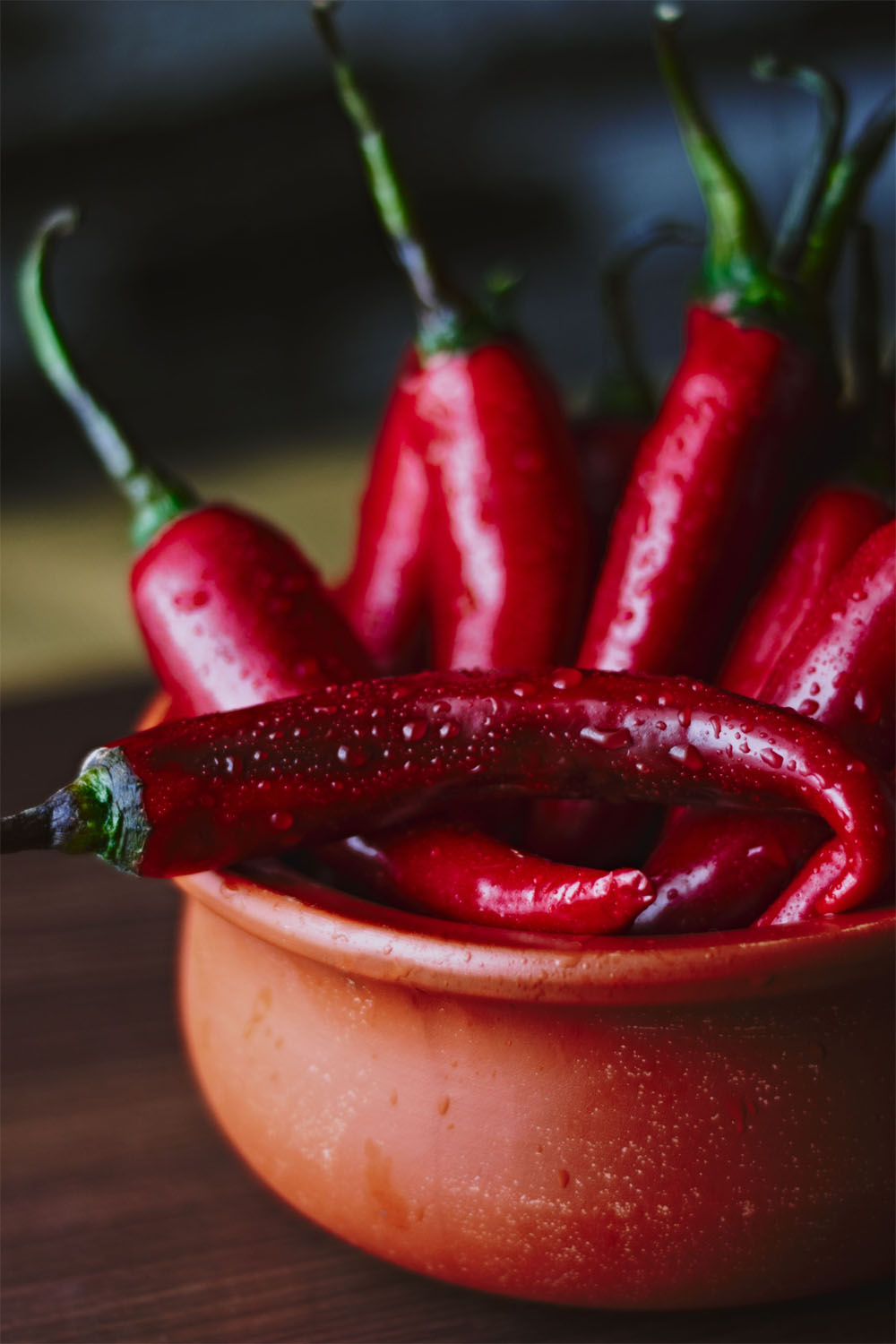
You don't have to be a spice enthusiast to have a jalapeño habit. Former U.S. Secretary of State Hillary Clinton has spoken publicly about eating a fresh hot pepper every single day, a habit she says started back in 1992 during her husband's presidential campaign. She has said she read an article about the immune-boosting properties of hot peppers and figured it made sense given how physically demanding campaigning can be, and has credited the habit — only half-jokingly — with helping keep her energy and stamina up over the years. She's in good scientific company: researchers now have real population data suggesting she might be onto something.
The Study Behind the Headline
The research was carried out by scientists at the Harvard T.H. Chan School of Public Health together with the Chinese Academy of Medical Sciences, using data from the China Kadoorie Biobank. Between 2004 and 2008, researchers gathered detailed health and dietary information from 487,375 people between the ages of 30 and 79, all free of cancer, heart disease, and stroke at the start of the study. Over roughly seven years of follow-up, there were 11,820 deaths among the men and 8,404 among the women in the study.
Compared with participants who ate spicy food less than once a week, those who ate it six or seven days a week had about a 14% lower relative risk of dying during the study period — and the effect held up even after accounting for other known risk factors, and was somewhat stronger in people who didn't drink alcohol. The full findings were published in the BMJ in 2015.
It's worth being clear about what this kind of study can and can't tell us: it's observational, so it shows an association, not proof that chili itself causes people to live longer. As Harvard's own summary of the research notes, the study didn't establish that spicy food caused people to live longer — only that regular spicy-food eaters were less likely to have died during the study window than infrequent eaters. Still, a sample of nearly half a million people is hard to wave away, and it lines up with a wider body of research pointing in the same direction.
What the Rest of the Science Says
The Harvard-led study wasn't a one-off. Traditional Chinese medicine has long held that capsaicin and other antioxidants — concentrated in pungent peppers — support cardiovascular health and help the body regulate weight, blood sugar, and inflammation. Western researchers have spent the past decade or so testing that idea directly, and a fair amount of it holds up.
Capsaicin has been shown in research to improve circulation, help reduce cholesterol buildup, and support the body's control of inflammation, according to a review published by Mayo Clinic Press. A separate laboratory review in the journal Nutrients concluded that the beneficial effects of capsaicin on cardiovascular function and metabolic regulation have been validated in both experimental and population-based studies — you can read the full paper here.
Other research has looked specifically at the heart. A study presented by researchers at the Chinese University of Hong Kong found that capsaicin and related compounds appear to support heart health in two ways: by helping lower cholesterol levels, and by blocking the action of a gene involved in constricting arteries — which in turn allows blood to flow more freely, as reported by ScienceDaily.
More Than Just Heat
Beyond the headline mortality numbers, regular chili eaters often report a few everyday perks that science is starting to back up:
- Circulation and energy — capsaicin's effect on blood vessels may help explain the post-meal warmth and alertness many spicy-food fans describe.
- Mood — some research suggests capsaicin may stimulate the release of endorphins, the body's natural feel-good chemicals, which could provide a mild mood boost.
- Fighting off seasonal bugs — the sinus-clearing, warming effect of a hot meal is one reason chili-based dishes are a folk remedy for colds and flu in many cuisines, though this is more traditional wisdom than clinical proof.
- Digestion — capsaicin has traditionally been used to support digestion and is sometimes described as gently warming to the digestive tract, though anyone with a sensitive stomach or acid reflux should approach it carefully rather than assume it will help.
As always with functional foods, the honest caveat applies: these are supportive, general-wellness associations, not a substitute for medical care. Anyone with a diagnosed digestive or cardiovascular condition should check with a doctor before ramping up chili intake.
Where the Antioxidants Really Come From
It's a common mix-up worth clearing up: capsaicin itself is unique to the Capsicum family — chili peppers, cayenne, jalapeños, habaneros, and their relatives. Foods like horseradish, radish, mustard, and cabbage do carry their own antioxidant, sinus-clearing compounds (like allyl isothiocyanate and glucosinolates), which is part of why they share that same "clears your sinuses" sensation — but they work through different pathways than capsaicin, not because they contain it. If you're chasing the specific benefits from the studies above, the pepper itself is where the capsaicin is.
One Fun Bonus
Here's a lighthearted one to close on: if you're heading out on a date, a bite of something spicy beforehand isn't a bad idea — the same warming, saliva-boosting effect that makes chili so refreshing can also help freshen your breath. Not exactly clinical advice, but a nice bit of trivia for your next dinner out.
The Takeaway
No single food is a magic bullet, and correlation isn't causation — but the evidence connecting regular chili consumption to lower rates of death from heart disease, respiratory illness, and certain cancers has now shown up across several large, independent studies, not just one. If you already enjoy the heat, that's a genuinely reassuring reason to keep reaching for the hot sauce. If you don't, there's no need to force it — but it might be worth a try.
Information on this website is for educational purposes only and is not medical advice.
expert, nutritionist
 Would you like to be informed about news on the website?















|

