







Heatstroke: What to Do in the First Few Minutes When the Sun Hits Too Hard
expert, nutritionist
Your legs suddenly feel heavy, your head is pounding, and the world seems to tilt for a second — and you realize the heat has caught up with you faster than you expected. If you notice even one of these warning signs — fatigue, cramps, a spike in body temperature, rapid breathing, or confusion — move out of the sun immediately. Look for shade, or better yet, a cooled indoor space. Take off your shoes and any excess clothing so your body can breathe and cool down freely.
One reader described how a routine afternoon at a summer market turned into a scramble for a shaded bench and a bottle of water after she suddenly felt dizzy and disoriented — a reminder that heat can build up faster than we notice, especially when we're busy and not paying attention to how much we're sweating.
Drinking enough fluids matters just as much as cooling down. According to the World Health Organization, mild to moderate dehydration is generally defined as a loss of around 2–6% of body weight through fluids — and even the low end of that range is enough to affect how you feel and function.
Electrolyte Drinks Can Genuinely Help
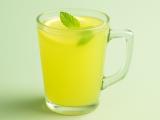
Electrolytes are minerals — sodium, potassium, and magnesium among them — that help your body hold onto fluid and keep everything running smoothly. You don't necessarily need a commercial sports drink: a simple homemade version can work, too. Mix half a teaspoon of salt, two tablespoons of sugar, and a splash of lemon juice into a liter of water. This combination is loosely modeled on oral rehydration solutions, where sugar and salt together help the body absorb water more efficiently than water alone — a principle the WHO has relied on for decades to treat fluid loss. As always, moderation matters: too much salt can do more harm than good, so stick to measured amounts.
Once you've cooled off a little, a lukewarm-to-cool shower can help bring your body temperature down further. Even a drop of one degree Celsius can noticeably ease symptoms and lower the risk of things getting worse. Afterward, lie down and place a cool compress on your forehead — a small step that tends to bring relief within minutes.
Natural Helpers Worth Knowing About
- Fenugreek leaves — despite the name, "Greek hay" isn't a seed in the everyday sense but the dried leaves of the fenugreek plant. This traditional remedy has been used for generations for its soothing, cooling reputation. To prepare it: soak the leaves in cold water, mash them gently, let the mixture sit, then stir in a spoonful of honey and strain. Sipping this every couple of hours is the traditional approach. Some traditional and preliminary research into fenugreek's plant compounds points to anti-inflammatory properties, though robust clinical evidence specifically for heat-related illness is limited, so treat this as a supportive, traditional measure rather than a proven treatment.
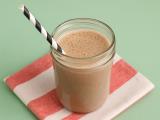
- Whole milk or yogurt diluted with water — some traditional wisdom holds that the fat content in milk has a gentle cooling effect on the body, helping to slow the rise in temperature. Two to three glasses of milk or diluted yogurt is the customary amount — a refreshing option that also provides some nutritional support.
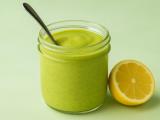
- Unripe (green) mango — this firm, green version of the fruit might not be the first thing that comes to mind, but it has long been used in traditional practice both to help prevent heat-related discomfort and to ease it once symptoms appear. To prepare: boil, mash, and strain the mango, then mix the juice with a little sugar, ground cumin, a pinch of salt, and pepper. Unripe mango is generally understood to contain more pectin and potassium than the ripe fruit, nutrients associated with fluid balance and recovery from heat stress.
- Ice on key pressure points — placing something cold on the neck, armpits, or groin can bring body temperature down quickly, since these areas carry a rich network of blood vessels close to the skin.
- Gentle massage — light massage alongside cooling can support circulation, and gentle finger pressure may help the body release heat a little faster.
- A cool, damp towel — one of the simplest and most time-tested methods, passed down through generations. The fabric cools the skin gently while the moisture helps regulate temperature.
- Cooled mud or clay — a lightly cooled paste applied to the stomach and forehead is a traditional method believed to draw out heat, particularly when the mud contains natural clay or peat.
Why These Steps Work
Fluids, cooling, and even a one-degree drop in body temperature can noticeably ease heat-stress symptoms — a pattern well documented in the physiology of heat-related illness. Replacing electrolytes — sodium, potassium, and sugar together — helps the body retain the fluids it's losing through sweat. And traditional remedies like fenugreek, dairy, and unripe mango contain compounds (phenols, fats, pectin, and minerals) that are associated, in traditional use and preliminary research, with lower inflammation and better temperature regulation — though they should be seen as complementary comfort measures, not substitutes for cooling down and rehydrating.
When It's More Than Discomfort
It helps to know the difference between everyday heat exhaustion and true heatstroke. Heat exhaustion — fatigue, cramping, nausea, heavy sweating — usually responds well to the steps above: shade, fluids, and cooling. But if someone shows signs of confusion, slurred speech, a very high body temperature, hot and dry skin, or loses consciousness, that's a medical emergency. Call emergency services right away and begin cooling the person while help is on the way — don't wait to see if it passes on its own. You can read more about recognizing the warning signs in When the Body Says No: How to Recognize Heat Stroke Before It Surprises You.
The Bottom Line
Heat-related illness isn't something to panic about, but it is something to take seriously. Acting quickly with simple, sensible steps can ease symptoms and help your body find its balance again. The key is recognizing the signs early and responding without delay.
Information on this website is for educational purposes only and is not medical advice.
expert, nutritionist
 Would you like to be informed about news on the website?












|

