







Still Hungry Right After Lunch? Your Triglycerides Might Be the Hidden Reason — and 4 Foods That May Help
expert, nutritionist
You had a full lunch. Twenty minutes later, you're rummaging through the cupboard again. If that sounds familiar, the explanation may have nothing to do with willpower — and everything to do with a number most people only see once a year, buried in a lab report: triglycerides.
A widely cited study published in the International Journal of Obesity found that triglycerides can cross the blood-brain barrier and appear to interfere with how leptin — often called the body's "satiety hormone" — signals fullness to the brain. In simple terms, when triglyceride levels run high, the appetite-control system may not get the message that you've already eaten enough. That can create a frustrating loop: eating normal portions while still feeling hungry soon after. It's worth stressing that this research is still developing and doesn't mean triglycerides are the only, or even the main, cause of persistent hunger — but it's a compelling piece of the puzzle. For a plain-language overview of how leptin works, Healthline's guide to leptin and leptin resistance is a good starting point.
It's a pattern many people recognize once they hear it described. In online health and nutrition communities, it's common to see readers describe almost the exact same experience: normal-sized meals, followed by hunger pangs less than an hour later, long before their next meal was "due." For some, a routine blood panel later revealed triglyceride levels above the healthy range — and for a few, working with their doctor on lifestyle changes eventually helped both the numbers and the constant hunger settle down. Stories like these aren't proof on their own, but they line up with what the research above is starting to describe.
So what can actually be done? Diet is one of the most well-supported levers for triglyceride management, according to major health organizations. Below are four foods that nutrition research links to healthier triglyceride and cholesterol levels — along with a look at the honest evidence behind each one.
1. Beans
Beans are exceptionally high in soluble fiber, which is part of why they tend to keep you feeling full for hours. In a study by the USDA's Agricultural Research Service, volunteers who ate just half a cup of cooked pinto beans daily for 12 weeks saw measurable improvements in their cholesterol levels — including participants who already showed signs of metabolic syndrome, such as elevated triglycerides. A broader review from the Linus Pauling Institute at Oregon State University similarly found a trend toward lower triglycerides among regular legume eaters.
You don't need a big serving to get the benefit — a few spoonfuls stirred into a salad is enough. For an extra boost of healthy fat and fiber, add avocado; the combination turns a simple side dish into a genuinely nutrient-dense meal. If you want more ideas for working legumes into your week, Foodwhisper has a deeper dive in "Legumes that Melt Fat and Cleanse the Blood".
2. Fresh Fruit
Diets higher in fresh fruit and vegetables are consistently associated with lower triglyceride levels in nutrition research. Fruits like apples are rich in fiber, vitamins, and minerals, and that fiber content is a major reason they help take the edge off appetite. Pairing fruit with whole grains — for example, fresh fruit stirred into oatmeal — creates a meal that tends to keep you satisfied for longer, thanks to the combined fiber and slow-digesting carbohydrates.
If you're looking to build out a broader list of fiber-rich, blood-sugar-friendly carbohydrates, Foodwhisper's "7 healthy carbohydrates you can eat without worry" is a useful companion read, and "Fiber is the express train to your happiness" covers several other high-fiber foods worth adding to your plate.
3. Olive Oil
Olive oil is rich in monounsaturated fats, and research has linked regular consumption to healthier triglyceride and cholesterol profiles. According to Harvard Health, a long-term study following more than 90,000 people over 28 years found that those who consumed the most olive oil — more than half a tablespoon a day — had a meaningfully lower risk of early death, including death from heart disease, compared with those who rarely used it. The American Heart Association points to similar findings.
Extra virgin olive oil is generally considered the more beneficial choice compared with refined seed oils like sunflower oil, largely due to its higher content of antioxidants and polyphenols. Many nutritionists suggest working up to roughly one to two tablespoons a day — enough to help you feel satisfied at meals, while also supporting digestion and overall wellbeing as part of a balanced diet. Foodwhisper has explored the topic in more depth in "Olive oil on an empty stomach: healthy habit or myth?"
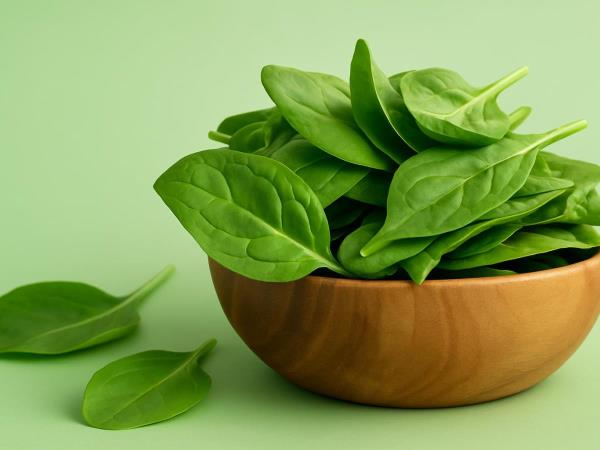
4. Spinach
Spinach is one of the richest natural sources of alpha-lipoic acid, a compound that has drawn scientific interest for its potential effect on triglycerides. It's worth being precise here: the often-cited figure of up to a 60% reduction comes from a lab-animal study conducted by researchers at the Linus Pauling Institute at Oregon State University, and the researchers themselves were careful to note that it isn't yet clear whether the effect translates the same way in humans. So while spinach and alpha-lipoic acid are genuinely promising areas of nutrition research, it's best to think of spinach as a smart, low-calorie addition to a triglyceride-friendly diet rather than a guaranteed fix on its own.
Beyond that, spinach is naturally low in calories and rich in fiber and minerals — and it pairs particularly well with a drizzle of olive oil, which also helps your body absorb its fat-soluble vitamins. If you're looking for easy ways to work more spinach into your routine, Foodwhisper's "5 drinks that are stronger than dietary supplements" and "Low-Calorie Drink with High Iron Content" both include simple spinach-based recipes worth trying.
The Takeaway
None of these four foods is a substitute for medical advice, and triglyceride levels are influenced by many factors — genetics, overall diet pattern, activity level, and underlying health conditions among them. But the research is fairly consistent on one point: a diet built around fiber-rich plant foods, legumes, and healthy fats like olive oil is one of the most evidence-backed ways to support healthier triglyceride levels over time. If your triglycerides are elevated, or if you're dealing with hunger that never seems to let up, it's worth bringing it up with your doctor — a simple blood test can tell you exactly where you stand, and from there, small changes to your plate may make a real difference. For more on natural approaches to blood lipid health, see Foodwhisper's "You Can Lower Cholesterol Without Medication."
Information on this website is for educational purposes only and is not medical advice.
expert, nutritionist
 Would you like to be informed about news on the website?














|

