




Date: 06/27/2026 - GOOD TO KNOW
Legumes Against High Blood Sugar and Fats
AUTHOR:
Zvone Stor
expert, nutritionist
expert, nutritionist
If someone told you that half a cup of beans a day could help lower your blood sugar, improve your cholesterol, and even beneficially change your gut bacteria, would you believe them?!
It might sound like a story from a fairy tale—when health was found over the hills, meaning in the garden and not in the pharmacy as today. However, scientists are now discovering a completely different truth.
Type 2 diabetes, which develops over the years due to lifestyle, has spread like wildfire over the past 40 years. According to the World Health Organization (WHO), the number of adults with diabetes has risen from 108 million in 1980 to more than 422 million today. In Europe, according to the National Institute of Public Health (NIJZ), about 9% of adults have diabetes, and many don’t even know they have it.
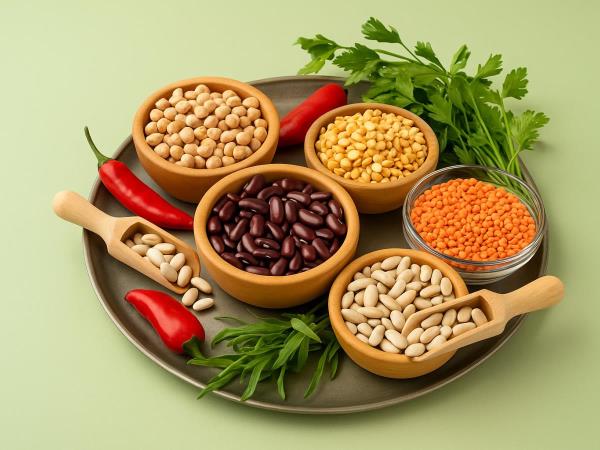
That’s why it’s good to know that you can fight this silent disease with foods our grandmothers already knew—legumes. We’re talking about beans, lentils, chickpeas, peas, and broad beans—all of which are cheap, accessible, and highly underrated weapons against sugar and bad fats in the blood.
Why do legumes work?
Legumes have an interesting property: they release sugar into the blood very slowly. Experts call this a low glycemic index, which means there are no sudden spikes in blood sugar after a meal. This is key in preventing diabetes and also in losing weight.
Additionally, they are full of dietary fiber—those tiny plant components that the body doesn’t digest but which travel through the gut like a natural broom. Fiber helps sugar get absorbed into the blood more slowly, and at the same time, feeds the good bacteria in our gut. Today we know that the gut microbiome—that internal garden made up of about 100 trillion microorganisms—strongly affects our health. The more diverse this ecosystem, the healthier we are.
One of the most telling studies, published recently in Singapore, showed what happens when you eat legumes daily. The study involved 127 people, about 62 years old, with elevated blood sugar but not yet diabetic—this is called prediabetes, a state just before the disease. They were divided into two groups—one ate a regular diet with fewer legumes and more meat (chicken), while the other ate 100 grams of cooked legumes daily—that’s about half a cup.
After 16 weeks, the differences were clear.
What did they find?
The group eating legumes lowered their long-term blood sugar, called HbA1c, by 4%, which is significantly more than the 2.5% reduction in the control group. To explain: HbA1c shows your average blood sugar level in the past three months. The higher this number, the greater the risk of diabetes and complications such as eye, kidney, and nerve damage.
Furthermore, the legume group also saw improvements in cholesterol values. They lowered both total cholesterol and the bad LDL, which is excellent for heart and blood vessel health. Interestingly, their good HDL cholesterol even increased, which helps clear clogged arteries.
Participants who ate legumes lost an average of 3.2 kilograms, while the control group lost 2.7 kilograms—the difference might not be huge, but it’s still telling, considering this involved just changing one food in the diet.
The gut—our second brain
Even more interesting: those who ate legumes saw a change in the composition of their gut flora—that is, the bacteria in the digestive tract. The number of strains known to lower cholesterol and improve fat metabolism increased. There is mounting evidence that certain gut bacteria help the body better regulate blood sugar and boost insulin sensitivity—this is the hormone the body needs to move sugar from the blood into cells. If the body is insensitive to insulin, sugar remains in the blood—and that’s the start of type 2 diabetes.
Legumes, therefore, are not just food—they are also fertilizer for good gut bacteria. What we eat directly influences which bacteria grow in our bodies. And the more these bacteria work with us, the better our health.
How many legumes are enough?
According to the Harvard School of Public Health, even a handful of beans or lentils a day is enough to show results. That’s about 80 to 100 grams of cooked legumes—one soup bowl. You don’t need them at every meal—just include them several times a week, especially if you swap them out for meat, white pasta, or potatoes.
According to the European Association for the Study of Diabetes (EASD), diets for people with prediabetes should contain as many whole plant foods as possible, such as legumes, whole grains, seeds, and vegetables. Legumes are a real gem here—they contain protein, fiber, B vitamins, iron, magnesium, and even antioxidants that slow down cell aging.
Old recipes, modern science
In the countryside, people always ate beans for strength. In many places, it was a basic part of the diet—beans with onions for breakfast, in barley stew at lunch, and even in salads at dinner. And interestingly, where beans are still common today, people live longer.
For example, in the Blue Zone in Costa Rica, where people often live to be a hundred years old, legumes are an everyday part of the menu. There, they eat black beans almost every day, along with rice, bananas, and vegetables. In Japan’s Okinawa, known for longevity, they often eat fermented soy (tofu, natto)—which is also a legume.
Final thought
If you want to add something to your diet that is cheap, natural, free of side effects, and supports your health on multiple fronts—then legumes are the right choice. They not only help with blood sugar and fats, but also improve gut function, aid in weight loss, and strengthen the immune system.
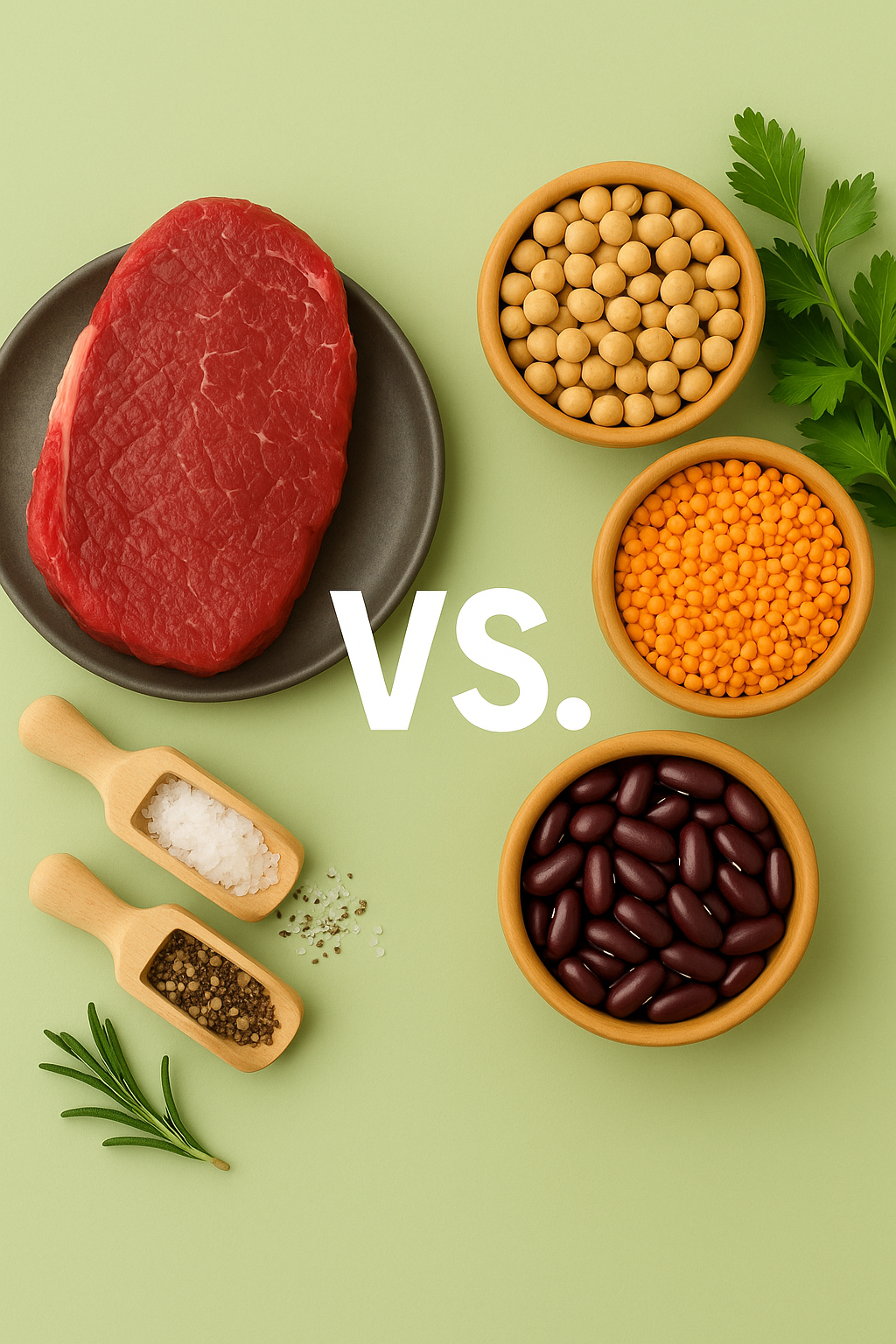
To start, we recommend replacing a meat meal with legumes at least three times a week. You can add them to soup or salad, make hummus from chickpeas, or a lentil stew. The possibilities are endless—and the benefits priceless.
Information on this website is for educational purposes only and is not medical advice.
Type 2 diabetes, which develops over the years due to lifestyle, has spread like wildfire over the past 40 years. According to the World Health Organization (WHO), the number of adults with diabetes has risen from 108 million in 1980 to more than 422 million today. In Europe, according to the National Institute of Public Health (NIJZ), about 9% of adults have diabetes, and many don’t even know they have it.
That’s why it’s good to know that you can fight this silent disease with foods our grandmothers already knew—legumes. We’re talking about beans, lentils, chickpeas, peas, and broad beans—all of which are cheap, accessible, and highly underrated weapons against sugar and bad fats in the blood.
Why do legumes work?
Legumes have an interesting property: they release sugar into the blood very slowly. Experts call this a low glycemic index, which means there are no sudden spikes in blood sugar after a meal. This is key in preventing diabetes and also in losing weight.
Additionally, they are full of dietary fiber—those tiny plant components that the body doesn’t digest but which travel through the gut like a natural broom. Fiber helps sugar get absorbed into the blood more slowly, and at the same time, feeds the good bacteria in our gut. Today we know that the gut microbiome—that internal garden made up of about 100 trillion microorganisms—strongly affects our health. The more diverse this ecosystem, the healthier we are.
One of the most telling studies, published recently in Singapore, showed what happens when you eat legumes daily. The study involved 127 people, about 62 years old, with elevated blood sugar but not yet diabetic—this is called prediabetes, a state just before the disease. They were divided into two groups—one ate a regular diet with fewer legumes and more meat (chicken), while the other ate 100 grams of cooked legumes daily—that’s about half a cup.
After 16 weeks, the differences were clear.
What did they find?
The group eating legumes lowered their long-term blood sugar, called HbA1c, by 4%, which is significantly more than the 2.5% reduction in the control group. To explain: HbA1c shows your average blood sugar level in the past three months. The higher this number, the greater the risk of diabetes and complications such as eye, kidney, and nerve damage.
Furthermore, the legume group also saw improvements in cholesterol values. They lowered both total cholesterol and the bad LDL, which is excellent for heart and blood vessel health. Interestingly, their good HDL cholesterol even increased, which helps clear clogged arteries.
Participants who ate legumes lost an average of 3.2 kilograms, while the control group lost 2.7 kilograms—the difference might not be huge, but it’s still telling, considering this involved just changing one food in the diet.
The gut—our second brain
Even more interesting: those who ate legumes saw a change in the composition of their gut flora—that is, the bacteria in the digestive tract. The number of strains known to lower cholesterol and improve fat metabolism increased. There is mounting evidence that certain gut bacteria help the body better regulate blood sugar and boost insulin sensitivity—this is the hormone the body needs to move sugar from the blood into cells. If the body is insensitive to insulin, sugar remains in the blood—and that’s the start of type 2 diabetes.
Legumes, therefore, are not just food—they are also fertilizer for good gut bacteria. What we eat directly influences which bacteria grow in our bodies. And the more these bacteria work with us, the better our health.
How many legumes are enough?
According to the Harvard School of Public Health, even a handful of beans or lentils a day is enough to show results. That’s about 80 to 100 grams of cooked legumes—one soup bowl. You don’t need them at every meal—just include them several times a week, especially if you swap them out for meat, white pasta, or potatoes.
According to the European Association for the Study of Diabetes (EASD), diets for people with prediabetes should contain as many whole plant foods as possible, such as legumes, whole grains, seeds, and vegetables. Legumes are a real gem here—they contain protein, fiber, B vitamins, iron, magnesium, and even antioxidants that slow down cell aging.
Old recipes, modern science
In the countryside, people always ate beans for strength. In many places, it was a basic part of the diet—beans with onions for breakfast, in barley stew at lunch, and even in salads at dinner. And interestingly, where beans are still common today, people live longer.
For example, in the Blue Zone in Costa Rica, where people often live to be a hundred years old, legumes are an everyday part of the menu. There, they eat black beans almost every day, along with rice, bananas, and vegetables. In Japan’s Okinawa, known for longevity, they often eat fermented soy (tofu, natto)—which is also a legume.
Final thought
If you want to add something to your diet that is cheap, natural, free of side effects, and supports your health on multiple fronts—then legumes are the right choice. They not only help with blood sugar and fats, but also improve gut function, aid in weight loss, and strengthen the immune system.
To start, we recommend replacing a meat meal with legumes at least three times a week. You can add them to soup or salad, make hummus from chickpeas, or a lentil stew. The possibilities are endless—and the benefits priceless.
Information on this website is for educational purposes only and is not medical advice.
Author:
Zvone Stor
expert, nutritionist
expert, nutritionist
 Would you like to be informed about news on the website?
Just enter your e-mail
Legumes for blood sugar
Lower cholesterol legumes
Legumes and gut health
Prediabetes legume diet
Legumes for weight loss
Latest news





Four Ingredients Every Kitchen Already Has: The Morning Drink Healthy-Living Fans Swear By
Read more >>







After 40, the Pounds Don't Just Appear – Your Body Is Sending You a Message Most Women Misread
Read more >>

The Humble Bean That Takes On Cholesterol: Why Legumes Are Not Just Peasant Food but a Friend to Your Heart
Read more >>

When a Kids' Drink Beats Sports Drinks: What Science Really Says About Chocolate Milk After Training
Read more >>

Interaktive Widgets:
|

