






Date: 06/18/2026 - GOOD TO KNOW
Radish: a vitamin bomb and the queen of health
AUTHOR:
Zvone Stor
expert, nutritionist
expert, nutritionist
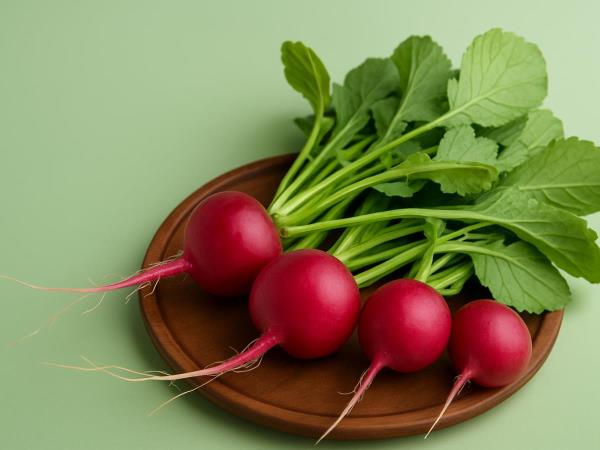
Radishes are a treasure of nature that you shouldn’t overlook. If you knew everything hidden inside, you’d eat them all year round, if only it were possible.
Old people often said that spring cleanses the body. And radish is one of those plants that nature didn’t assign first place in the season by accident. In traditional medicine, it’s considered one of the best body cleansers, especially for the liver and digestive system.
Why do they say doctors can take a vacation during radish season?
This ancient Chinese proverb didn’t just appear out of nowhere. In traditional Chinese medicine, which many of us know for acupuncture and herbal remedies, radish is among the foods that restore balance to the body. And from the perspective of modern science, it turns out the Chinese were once again a step ahead.
In 100 grams of radishes, there are barely 16 calories. That means you can enjoy them even if you’re watching your weight. Besides, they contain almost 2 grams of fiber, which is quite a lot for such a light vegetable. Fiber ensures our digestion runs smoothly and keeps our blood sugar from jumping like a wild horse after something sweet.
Health from the soil – how radish cleanses the body
Radish isn’t just crunchy and spicy – it’s also a true little laboratory of natural help. It contains vitamin C – as much as 14% of the recommended daily intake in just 100 grams. This means that with a handful of radishes in the morning, you’re already doing your immune system a big favor. This vitamin is not just for colds – it also helps produce collagen, which is important for skin, hair, and joints.
In addition, radish contains vitamins A, K, B6, folic acid (important for blood formation and during pregnancy), riboflavin (that’s vitamin B2, which helps cells produce energy), and a whole range of minerals: potassium, calcium, iron, magnesium, and manganese.
Potassium, for example, helps lower blood pressure. A study from the USA (published in The American Journal of Clinical Nutrition) showed that increasing potassium intake by 1,000 mg per day reduces the risk of stroke by as much as 11%. Radishes have about 230 mg of potassium per 100 grams – so even a small cup does you a lot of good.
Fighting fungi, inflammation, and even cancer cells
One of the most interesting properties of radish, which we often forget, is its antifungal action. It contains sulforaphane – a compound scientifically proven to have antifungal, anti-inflammatory, and even anticancer effects. Sulforaphane is more widely known as the star of broccoli, but radish is its humbler cousin with the same abilities.
Interestingly, a 2016 study (Journal of Cancer Prevention) shows that consuming foods high in sulforaphane reduces the risk of colon, breast, and prostate cancers.
According to research, radishes may also help with infections caused by the fungus candida, which can cause problems in the digestive tract, on the skin, and even in the mouth. Folk healers used to say that if something goes wrong in the body, radish always helps find the right path.
How to prepare them so you won’t feel bloated?
Many people say they like radish, but it “bloats them.” And this is true – raw radish can be quite challenging for some stomachs. So, if you have a sensitive digestion, we recommend you at least lightly cook it.
It’s very tasty if you quickly saut{-15447} it in a pan or bake it in the oven with a bit of olive oil and a pinch of salt. Already 15 minutes at 200{-15696}C will be enough for it to lose its sharp taste, become soft, and even slightly sweet.
According to Ayurveda, the ancient Indian science of healing, radish should preferably be eaten cooked. Ayurveda believes that foods that are cooling and harder to digest (which radish certainly is) cause “vata” – which is a body type prone to digestive problems, dry skin, and insomnia.
An excellent way to prepare it is also in a stew. Add it just before finishing cooking, so it softens lightly and doesn’t lose too many nutrients.
Did you know radish leaves are even more nutritious than the root?
If you’ve ever just tossed radish leaves away – don’t make that mistake again. The leaves contain more vitamin C, calcium, and iron than the root itself. If the leaves are fresh, you can chop them into a salad or make green pesto with walnuts, oil, and garlic. If they’re a bit tougher, you can cook them like spinach or add to soup.
Besides, they have detoxifying properties, as they help cleanse the blood and liver. Folk healers once used them as poultices for various inflammations – they would crush them and place them on sore joints.
Radish and diabetes – the quiet helper
One lesser-known benefit of radish is its effect on regulating blood sugar. Regular consumption of radishes is said to help insulin work more efficiently. A study published in Nutrition Research and Practice showed that radish contains substances that improve liver function and reduce oxidative stress – both key factors in type 2 diabetes.
That’s why radish is an excellent addition to the diet of people with diabetes – of course, in healthy amounts and without overdoing it.
Why radish belongs on our plate
If you were asked which vegetable in one serving is anti-inflammatory, helps digestion, boosts immunity, cleanses the blood, protects against cancer, and is low in calories, you’d say – that’s impossible. But it is.
Radish, this simple spring vegetable, has a power in it that’s now recognized by both old recipes and modern science. In its season, which only lasts a few weeks – usually from April to June – use every opportunity to include it in your diet.
Whether on bread, in a salad, baked, or as juice – radish is not just food, it’s a medicine growing right beneath your feet. And if you want to do something good for yourself, for your energy, your digestion, and your wellbeing – radish is your quiet, natural ally.
Information on this website is for educational purposes only and is not medical advice.
Why do they say doctors can take a vacation during radish season?
This ancient Chinese proverb didn’t just appear out of nowhere. In traditional Chinese medicine, which many of us know for acupuncture and herbal remedies, radish is among the foods that restore balance to the body. And from the perspective of modern science, it turns out the Chinese were once again a step ahead.
In 100 grams of radishes, there are barely 16 calories. That means you can enjoy them even if you’re watching your weight. Besides, they contain almost 2 grams of fiber, which is quite a lot for such a light vegetable. Fiber ensures our digestion runs smoothly and keeps our blood sugar from jumping like a wild horse after something sweet.
Health from the soil – how radish cleanses the body
Radish isn’t just crunchy and spicy – it’s also a true little laboratory of natural help. It contains vitamin C – as much as 14% of the recommended daily intake in just 100 grams. This means that with a handful of radishes in the morning, you’re already doing your immune system a big favor. This vitamin is not just for colds – it also helps produce collagen, which is important for skin, hair, and joints.
In addition, radish contains vitamins A, K, B6, folic acid (important for blood formation and during pregnancy), riboflavin (that’s vitamin B2, which helps cells produce energy), and a whole range of minerals: potassium, calcium, iron, magnesium, and manganese.
Potassium, for example, helps lower blood pressure. A study from the USA (published in The American Journal of Clinical Nutrition) showed that increasing potassium intake by 1,000 mg per day reduces the risk of stroke by as much as 11%. Radishes have about 230 mg of potassium per 100 grams – so even a small cup does you a lot of good.
Fighting fungi, inflammation, and even cancer cells
One of the most interesting properties of radish, which we often forget, is its antifungal action. It contains sulforaphane – a compound scientifically proven to have antifungal, anti-inflammatory, and even anticancer effects. Sulforaphane is more widely known as the star of broccoli, but radish is its humbler cousin with the same abilities.
Interestingly, a 2016 study (Journal of Cancer Prevention) shows that consuming foods high in sulforaphane reduces the risk of colon, breast, and prostate cancers.
According to research, radishes may also help with infections caused by the fungus candida, which can cause problems in the digestive tract, on the skin, and even in the mouth. Folk healers used to say that if something goes wrong in the body, radish always helps find the right path.
How to prepare them so you won’t feel bloated?
Many people say they like radish, but it “bloats them.” And this is true – raw radish can be quite challenging for some stomachs. So, if you have a sensitive digestion, we recommend you at least lightly cook it.
It’s very tasty if you quickly saut{-15447} it in a pan or bake it in the oven with a bit of olive oil and a pinch of salt. Already 15 minutes at 200{-15696}C will be enough for it to lose its sharp taste, become soft, and even slightly sweet.
According to Ayurveda, the ancient Indian science of healing, radish should preferably be eaten cooked. Ayurveda believes that foods that are cooling and harder to digest (which radish certainly is) cause “vata” – which is a body type prone to digestive problems, dry skin, and insomnia.
An excellent way to prepare it is also in a stew. Add it just before finishing cooking, so it softens lightly and doesn’t lose too many nutrients.
Did you know radish leaves are even more nutritious than the root?
If you’ve ever just tossed radish leaves away – don’t make that mistake again. The leaves contain more vitamin C, calcium, and iron than the root itself. If the leaves are fresh, you can chop them into a salad or make green pesto with walnuts, oil, and garlic. If they’re a bit tougher, you can cook them like spinach or add to soup.
Besides, they have detoxifying properties, as they help cleanse the blood and liver. Folk healers once used them as poultices for various inflammations – they would crush them and place them on sore joints.
Radish and diabetes – the quiet helper
One lesser-known benefit of radish is its effect on regulating blood sugar. Regular consumption of radishes is said to help insulin work more efficiently. A study published in Nutrition Research and Practice showed that radish contains substances that improve liver function and reduce oxidative stress – both key factors in type 2 diabetes.
That’s why radish is an excellent addition to the diet of people with diabetes – of course, in healthy amounts and without overdoing it.
Why radish belongs on our plate
If you were asked which vegetable in one serving is anti-inflammatory, helps digestion, boosts immunity, cleanses the blood, protects against cancer, and is low in calories, you’d say – that’s impossible. But it is.
Radish, this simple spring vegetable, has a power in it that’s now recognized by both old recipes and modern science. In its season, which only lasts a few weeks – usually from April to June – use every opportunity to include it in your diet.
Whether on bread, in a salad, baked, or as juice – radish is not just food, it’s a medicine growing right beneath your feet. And if you want to do something good for yourself, for your energy, your digestion, and your wellbeing – radish is your quiet, natural ally.
Information on this website is for educational purposes only and is not medical advice.
Author:
Zvone Stor
expert, nutritionist
expert, nutritionist
 Would you like to be informed about news on the website?
Just enter your e-mail
Radish benefits
Radish nutrition
Radish health benefits
Radish vitamins
Radish dietary benefits
Latest news





Four Ingredients Every Kitchen Already Has: The Morning Drink Healthy-Living Fans Swear By
Read more >>







After 40, the Pounds Don't Just Appear – Your Body Is Sending You a Message Most Women Misread
Read more >>

The Humble Bean That Takes On Cholesterol: Why Legumes Are Not Just Peasant Food but a Friend to Your Heart
Read more >>

When a Kids' Drink Beats Sports Drinks: What Science Really Says About Chocolate Milk After Training
Read more >>

Interaktive Widgets:
|

