





Date: 04/20/2026 - GOOD TO KNOW
5 healthy foods that aren't as healthy as you think
AUTHOR:
Zvone Stor
expert, nutritionist
expert, nutritionist
In today's world, as we try to eat healthily and follow nutrition trends, we often encounter products that are advertised as healthy but can actually harm our health.
Below, we take a closer look at five such foods that you might be consuming thinking they're beneficial, but research shows otherwise.
 1. Foods labeled fat-free
When we see "fat-free" on packaging, we often think the product is healthier. However, manufacturers often replace fats with added sugars, starches, and artificial additives to maintain the taste and texture of the product.
For example, fat-free yogurts can contain more sugar than their full-fat counterparts. Excess sugar intake is linked to a higher risk of obesity, type 2 diabetes, and heart disease.
 2. Diet sodas
Diet drinks with no calories seem like a great alternative to sugary beverages. However, they contain artificial sweeteners like aspartame, which can affect our health.
Studies have shown that regular consumption of diet drinks increases the risk of metabolic disorders such as insulin resistance and increased body weight.
Additionally, artificial sweeteners can impact our appetite, as they do not satisfy the brain’s need for sweetness, potentially leading to increased cravings and consequent overeating.
 3. Peanuts
Peanuts are a rich source of protein and healthy fats, but they also contain high amounts of omega-6 fatty acids. While omega-6 fatty acids are essential, an excessive ratio of omega-6 to omega-3 fatty acids in the diet can contribute to inflammatory processes in the body.
Therefore, it’s important to maintain a balance between omega-6 and omega-3 fatty acids, for example, by eating fatty fish, flaxseeds, and nuts rich in omega-3s.
 4. Margarine
Margarine was long promoted as a healthy alternative to butter due to its lower saturated fat content. However, many margarines contain trans fats produced during the industrial hydrogenation process.
Trans fats are associated with an increased risk of cardiovascular diseases as they raise bad LDL cholesterol and lower good HDL cholesterol.
When choosing margarine, it's advisable to choose soft varieties free of trans fats and with low saturated fat content.
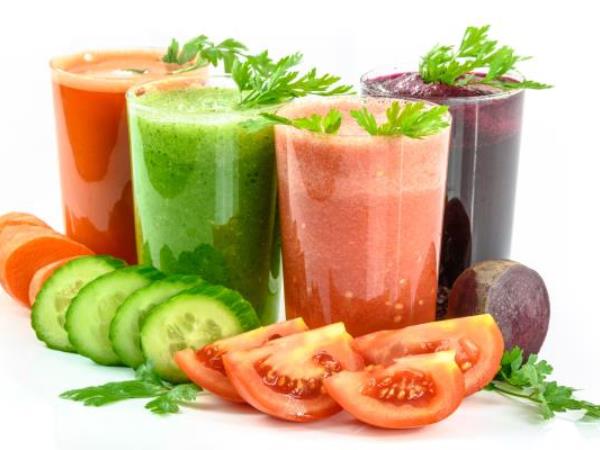 5. Vegetable juices
Vegetable juices are often advertised as a healthy way to increase your vegetable intake. However, many commercial vegetable juices contain high levels of sodium (salt), which can contribute to increased blood pressure and higher risk of cardiovascular diseases.
For example, one serving (240 ml) of a popular vegetable juice can contain up to 640 mg of sodium, which is about 28% of the recommended daily intake.
Instead of juices, it’s better to consume fresh or cooked vegetables, which, in addition to vitamins and minerals, also contain dietary fiber important for digestion and blood sugar regulation.
Remember ...
When choosing foods, it's important not to blindly trust marketing claims on packaging. Labels such as fat-free, diet, or healthy do not necessarily mean that a product is good for our health. It's important to read the ingredients list and avoid products with added sugars, artificial sweeteners, trans fats, and high sodium content.
Instead, focus on whole foods such as fresh fruits and vegetables, whole grains, nuts, seeds, and quality proteins. This will contribute to better health and well-being.
Information on this website is for educational purposes only and is not medical advice.
 1. Foods labeled fat-free
 When we see "fat-free" on packaging, we often think the product is healthier. However, manufacturers often replace fats with added sugars, starches, and artificial additives to maintain the taste and texture of the product.
For example, fat-free yogurts can contain more sugar than their full-fat counterparts. Excess sugar intake is linked to a higher risk of obesity, type 2 diabetes, and heart disease.
 2. Diet sodas
 Diet drinks with no calories seem like a great alternative to sugary beverages. However, they contain artificial sweeteners like aspartame, which can affect our health.
Studies have shown that regular consumption of diet drinks increases the risk of metabolic disorders such as insulin resistance and increased body weight.
Additionally, artificial sweeteners can impact our appetite, as they do not satisfy the brain’s need for sweetness, potentially leading to increased cravings and consequent overeating.
 3. Peanuts
 Peanuts are a rich source of protein and healthy fats, but they also contain high amounts of omega-6 fatty acids. While omega-6 fatty acids are essential, an excessive ratio of omega-6 to omega-3 fatty acids in the diet can contribute to inflammatory processes in the body.
Therefore, it’s important to maintain a balance between omega-6 and omega-3 fatty acids, for example, by eating fatty fish, flaxseeds, and nuts rich in omega-3s.
 4. Margarine
 Margarine was long promoted as a healthy alternative to butter due to its lower saturated fat content. However, many margarines contain trans fats produced during the industrial hydrogenation process.
Trans fats are associated with an increased risk of cardiovascular diseases as they raise bad LDL cholesterol and lower good HDL cholesterol.
When choosing margarine, it's advisable to choose soft varieties free of trans fats and with low saturated fat content.
 5. Vegetable juices
 Vegetable juices are often advertised as a healthy way to increase your vegetable intake. However, many commercial vegetable juices contain high levels of sodium (salt), which can contribute to increased blood pressure and higher risk of cardiovascular diseases.
For example, one serving (240 ml) of a popular vegetable juice can contain up to 640 mg of sodium, which is about 28% of the recommended daily intake.
Instead of juices, it’s better to consume fresh or cooked vegetables, which, in addition to vitamins and minerals, also contain dietary fiber important for digestion and blood sugar regulation.
Remember ...
When choosing foods, it's important not to blindly trust marketing claims on packaging. Labels such as fat-free, diet, or healthy do not necessarily mean that a product is good for our health. It's important to read the ingredients list and avoid products with added sugars, artificial sweeteners, trans fats, and high sodium content.
Instead, focus on whole foods such as fresh fruits and vegetables, whole grains, nuts, seeds, and quality proteins. This will contribute to better health and well-being.
Information on this website is for educational purposes only and is not medical advice.
Author:
Zvone Stor
expert, nutritionist
expert, nutritionist
 Would you like to be informed about news on the website?
Just enter your e-mail
Healthy foods
Artificial sweeteners
Omega-6 fatty acids
Trans fats
High sodium content
Latest news

Why Do You Always Wake Up at the Same Time? Your Body Might Be Trying to Tell You Something
Read more >>


French Fries and Your Brain: What an 11-Year Study of 140,000 People Found About Fried Food and Mood
Read more >>

Selenium: The Tiny Mineral Your Body Can't Live Without — And Can Absolutely Have Too Much Of
Read more >>

A Spoonful of Coconut Oil on an Empty Stomach: The Quiet Morning Habit So Many People Swear By
Read more >>


Anemia on Your Plate: The Everyday Foods Quietly Helping — Or Sabotaging — Your Iron Levels
Read more >>

Why the Humble Egg Might Just Be Your Diet's Secret Weapon: 5 Reasons Nutritionists Keep Coming Back To
Read more >>


Yogurt, Banana or Citrus for Breakfast? Why Some "Healthy" Foods Can Backfire on an Empty Stomach
Read more >>



Why the Scale Won't Budge, Even On a Diet: The Overlooked Mineral Almost Nobody Talks About
Read more >>


Interaktive Widgets:
|

