




Date: 04/19/2026 - GOOD TO KNOW
Australian medicine against skin cancer, overlooked worldwide
AUTHOR:
Zvone Stor
expert, nutritionist
expert, nutritionist
Australian farmers have been treating skin diseases in such a simple way for centuries that no one wants to notice it, even though decades of testing confirm the effectiveness of the method
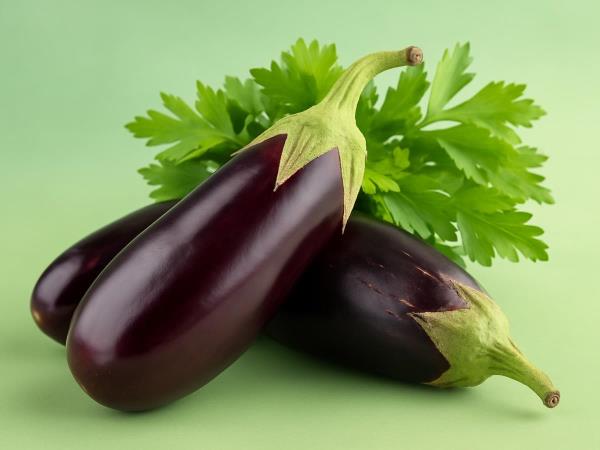
Australian farmers used eggplants, or aubergines, for treating cattle centuries ago, and then discovered that it also works on humans. When pharmacists analyzed this Australian folk remedy a quarter of a century ago, they found a compound called BEC5, which binds to cancer cell receptors and thus prevents the disease from spreading through the body.
In 25 years, more than 80,000 treatments for skin cancer have been carried out, and the success rate was 78 percent. If the patient used the cream developed in the last ten years, skin cancer in Australia became completely curable. Even more! In no patient did the disease return after 5 years. Treatment lasts 8 to 12 weeks.
The first to notice eggplants was Dr. Bill Cham, who in 1987 managed to isolate the substance BEC5 and soon after achieved more than 70 percent treatment success.
Skin cancer is becoming an increasingly common form of disease, most often developing from excessive sun exposure or from aging. If the skin becomes red, abnormal cells can develop which may mutate into malignant ones, and the problem with skin cancer is that metastases spread through the body and the criticality of the disease is hard to assess externally.
In Slovenia alone, 2,000 people are diagnosed with skin cancer every year, and around the world about 2 million. In the past 20 years, the number of cases worldwide has tripled! Doctors advise that people should not stay in the sun between 10 AM and 4 PM, and they additionally recommend the use of creams with a protection factor of at least 15 or more. Extra care should be taken to protect lips and areas around the neck, behind the ears, upper arms, genitals... These are the most common areas for cancerous growths.
The BEC5 compound is found in the fruits of eggplants, tomatoes, potatoes, peppers, and tobacco. Even though there is a whole range of evidence of its effectiveness, BEC5 is still not listed as an anti-cancer medicine, even though it has been proven in all cases that the eggplant cream destroys only cancer cells, not healthy ones. The treatment is so simple that after two weeks the disease is usually reduced by half, and after four weeks the growths completely disappear.
As we enter a time when we will be more exposed to the sun, it is good to remember a few recommendations about which foods strengthen the skin and protect us from skin and other types of cancer:
Information on this website is for educational purposes only and is not medical advice.
In 25 years, more than 80,000 treatments for skin cancer have been carried out, and the success rate was 78 percent. If the patient used the cream developed in the last ten years, skin cancer in Australia became completely curable. Even more! In no patient did the disease return after 5 years. Treatment lasts 8 to 12 weeks.
The first to notice eggplants was Dr. Bill Cham, who in 1987 managed to isolate the substance BEC5 and soon after achieved more than 70 percent treatment success.
Skin cancer is becoming an increasingly common form of disease, most often developing from excessive sun exposure or from aging. If the skin becomes red, abnormal cells can develop which may mutate into malignant ones, and the problem with skin cancer is that metastases spread through the body and the criticality of the disease is hard to assess externally.
In Slovenia alone, 2,000 people are diagnosed with skin cancer every year, and around the world about 2 million. In the past 20 years, the number of cases worldwide has tripled! Doctors advise that people should not stay in the sun between 10 AM and 4 PM, and they additionally recommend the use of creams with a protection factor of at least 15 or more. Extra care should be taken to protect lips and areas around the neck, behind the ears, upper arms, genitals... These are the most common areas for cancerous growths.
The BEC5 compound is found in the fruits of eggplants, tomatoes, potatoes, peppers, and tobacco. Even though there is a whole range of evidence of its effectiveness, BEC5 is still not listed as an anti-cancer medicine, even though it has been proven in all cases that the eggplant cream destroys only cancer cells, not healthy ones. The treatment is so simple that after two weeks the disease is usually reduced by half, and after four weeks the growths completely disappear.
As we enter a time when we will be more exposed to the sun, it is good to remember a few recommendations about which foods strengthen the skin and protect us from skin and other types of cancer:
- beta-carotene: sweet potatoes, spinach, kale, carrots, peppers...
- lycopene: tomatoes (especially cooked and in sauces), watermelon, papaya...
- lutein: spinach, kale, peas, zucchini, pistachios, broccoli, egg yolk
- polyphenols: green tea, rosemary, thyme, oregano, garlic, cocoa
- flavonoids: citrus fruits, especially citrus peels
Information on this website is for educational purposes only and is not medical advice.
Author:
Zvone Stor
expert, nutritionist
expert, nutritionist
 Would you like to be informed about news on the website?
Just enter your e-mail
Australian medicine skin cancer
BEC5 compound skin cancer
Skin cancer treatment eggplants
Skin cancer prevention tips
Anti-cancer foods and nutrients
Latest news

Why Do You Always Wake Up at the Same Time? Your Body Might Be Trying to Tell You Something
Read more >>


French Fries and Your Brain: What an 11-Year Study of 140,000 People Found About Fried Food and Mood
Read more >>

Selenium: The Tiny Mineral Your Body Can't Live Without — And Can Absolutely Have Too Much Of
Read more >>
A Spoonful of Coconut Oil on an Empty Stomach: The Quiet Morning Habit So Many People Swear By
Read more >>


Anemia on Your Plate: The Everyday Foods Quietly Helping — Or Sabotaging — Your Iron Levels
Read more >>

Why the Humble Egg Might Just Be Your Diet's Secret Weapon: 5 Reasons Nutritionists Keep Coming Back To
Read more >>

Yogurt, Banana or Citrus for Breakfast? Why Some "Healthy" Foods Can Backfire on an Empty Stomach
Read more >>



Why the Scale Won't Budge, Even On a Diet: The Overlooked Mineral Almost Nobody Talks About
Read more >>


Interaktive Widgets:
|

