




Date: 04/10/2026 - GOOD TO KNOW
Proteins that are not (overly?) healthy
AUTHOR:
Zvone Stor
expert, nutritionist
expert, nutritionist
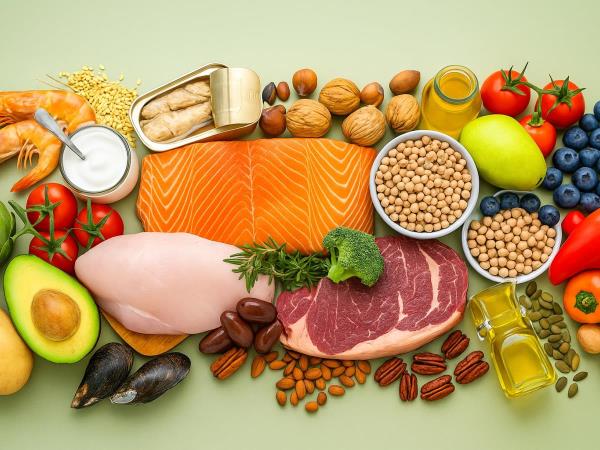
Proteins are key for the functioning of our body, as they are involved in the construction of muscles, enzymes, and hormones. However, not every source of protein is equally beneficial ...
Some foods rich in protein may negatively affect our health due to the way they are produced, processed, or due to the presence of harmful substances. In this article, we will examine four such foods: pork, peanuts, processed soy, and meat products.
Information on this website is for educational purposes only and is not medical advice.
- Pork Pork is often found on the menu of many people and is considered a good source of protein. However, the quality of pork meat varies greatly depending on the way the animals are raised. Industrial pork farming often includes the use of antibiotics and hormones to speed up growth and prevent diseases. This can lead to residues of these substances in the meat, which can affect our health.
Additionally, pork is often processed into various meat products, such as sausages, bacon, and salami. These products often contain preservatives such as nitrates and nitrites, which are used to extend shelf life and enhance the color of the products. Studies have shown that consuming processed meat increases the risk of developing colorectal cancer. The World Health Organization (WHO) in 2015 classified processed meat as a group 1 carcinogen, which means there is sufficient evidence of its carcinogenicity in humans.
- Peanuts Peanuts are a popular snack and ingredient in many dishes worldwide. However, peanuts are susceptible to infection with the mold Aspergillus flavus, which produces aflatoxins. Aflatoxins are toxic substances that can cause serious health problems, including liver cancer. Long-term exposure to low doses of aflatoxins can lead to severe health consequences such as liver damage and immune suppression.
Although many countries have introduced strict regulations to control the content of aflatoxins in peanuts and peanut products, the risk of exposure still exists, especially in regions with less stringent control mechanisms. To reduce the risk, it is recommended to buy peanuts and peanut products from trustworthy producers who regularly test for the presence of aflatoxins.
- Processed Soy Soy is often used as a source of protein, especially among vegetarians and vegans. However, processed soy products, such as soy milk, tofu, and soy protein powders, contain antinutrients like phytic acid. Phytic acid can reduce the absorption of important minerals such as iron, zinc, magnesium, and calcium, which can lead to a deficiency of these minerals in the body.
Fermented soy products, such as miso and tempeh, have a lower content of phytic acid due to the fermentation process, which breaks down these antinutrients. Therefore, fermented soy products are a better choice for those who want to gain the benefits of soy without risking reduced mineral absorption.
- Meat Products Meat products, such as sausages, salamis, hot dogs, and bacon, are popular due to their taste and convenience. However, these products often contain preservatives such as nitrates and nitrites, which are used to extend shelf life and preserve the color of the meat. Nitrates and nitrites can form nitrosamines in the body, which are linked to an increased risk of developing cancer, especially colorectal cancer.
Additionally, meat products are often rich in saturated fats and salt, which can contribute to the development of cardiovascular diseases and high blood pressure. Studies have shown that regular consumption of processed meat increases the risk of developing various types of cancer. For example, research has shown that daily consumption of 50 grams of processed meat increases the risk of colorectal cancer by about 18%.
Information on this website is for educational purposes only and is not medical advice.
Author:
Zvone Stor
expert, nutritionist
expert, nutritionist
 Would you like to be informed about news on the website?
Just enter your e-mail
Harmful proteins
Negative impact of processed meat
Aflatoxins in peanuts
Antinutrients in soy
Risks of meat products
Latest news





Four Ingredients Every Kitchen Already Has: The Morning Drink Healthy-Living Fans Swear By
Read more >>





After 40, the Pounds Don't Just Appear – Your Body Is Sending You a Message Most Women Misread
Read more >>

The Humble Bean That Takes On Cholesterol: Why Legumes Are Not Just Peasant Food but a Friend to Your Heart
Read more >>

When a Kids' Drink Beats Sports Drinks: What Science Really Says About Chocolate Milk After Training
Read more >>
Interaktive Widgets:
|

