





Date: 07/28/2024 - GOOD TO KNOW
Which salad is the healthiest?
AUTHOR:
Zvone Stor
expert, nutritionist
expert, nutritionist
It's not true that every vegetable is equally healthy. Check out which types are mostly water and which ones actually contain nutrients.
Although eating too many vegetables has never harmed anyone, there are still differences between salads. We’re providing a brief description of each type, but generally speaking, they are best with as few additions as possible. Of course, you can always add proteins (tofu cheese, eggs), healthy fats (avocado, nuts, and seeds), and for dressing, only use high-quality cold-pressed oils.
Iceberg Lettuce
Iceberg lettuce doesn’t offer many nutrients. It has very few calories (a cup of iceberg lettuce has only 8 calories, which is low compared to arugula with 28 and kale with 33), and it has a neutral effect on the digestive tract. However, most of the iceberg lettuce is made up of water.
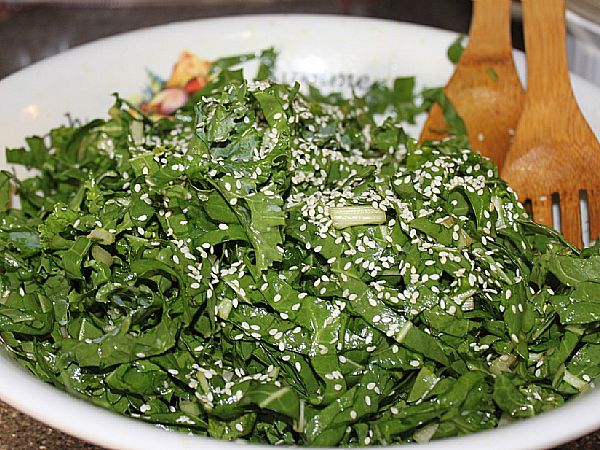
Arugula
Arugula is rich in vitamin A and has beneficial effects on brain and joint function. It’s also rich in iron and is especially recommended for athletes and before heavy exertion, as iron helps blood cells carry more oxygen to the muscles. The best way to eat arugula is with high-quality olive oil and sprinkled with parmesan.
Romaine Lettuce
Commonly referred to as romaine lettuce, it was a very popular dish among the Romans, especially during their large feasts. It has a lot of vitamins K, C, and A, boosts the immune system, and is best with olive oil, green onions, green peppers, and you can also add feta cheese.
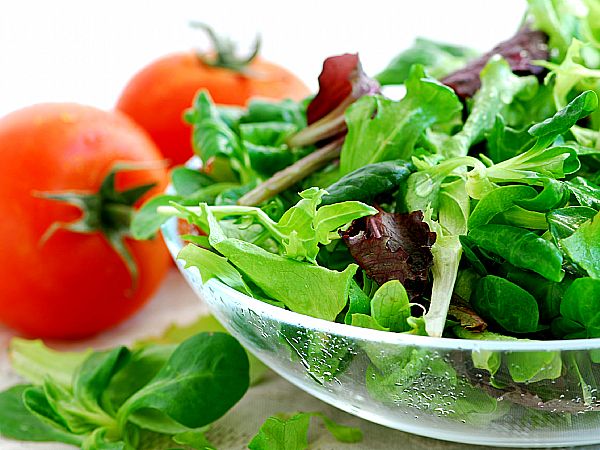
Spinach
Spinach is a rich source of iron, manganese, and plenty of antioxidants. It is a must-have food for pregnant women and children, and it’s also recommended for the elderly. It’s good to eat it in all forms – as a salad and also as a sauce.
Kale
Kale, including Brussels sprouts, is the champion of nutrients among salads. It has a lot of calcium, potassium, iron, manganese, and is high in vitamins A and C... It’s best served with natural yogurt and as few additives as possible.
Information on this website is for educational purposes only and is not medical advice.
Iceberg Lettuce
Iceberg lettuce doesn’t offer many nutrients. It has very few calories (a cup of iceberg lettuce has only 8 calories, which is low compared to arugula with 28 and kale with 33), and it has a neutral effect on the digestive tract. However, most of the iceberg lettuce is made up of water.

Arugula
Arugula is rich in vitamin A and has beneficial effects on brain and joint function. It’s also rich in iron and is especially recommended for athletes and before heavy exertion, as iron helps blood cells carry more oxygen to the muscles. The best way to eat arugula is with high-quality olive oil and sprinkled with parmesan.
Romaine Lettuce
Commonly referred to as romaine lettuce, it was a very popular dish among the Romans, especially during their large feasts. It has a lot of vitamins K, C, and A, boosts the immune system, and is best with olive oil, green onions, green peppers, and you can also add feta cheese.

Spinach
Spinach is a rich source of iron, manganese, and plenty of antioxidants. It is a must-have food for pregnant women and children, and it’s also recommended for the elderly. It’s good to eat it in all forms – as a salad and also as a sauce.
Kale
Kale, including Brussels sprouts, is the champion of nutrients among salads. It has a lot of calcium, potassium, iron, manganese, and is high in vitamins A and C... It’s best served with natural yogurt and as few additives as possible.
Information on this website is for educational purposes only and is not medical advice.
Author:
Zvone Stor
expert, nutritionist
expert, nutritionist
 Would you like to be informed about news on the website?
Just enter your e-mail
Latest news

When Your Ears Start Talking: What Tinnitus May Really Be Telling You About Your Health
Read more >>


Why Eating Smaller, More Frequent Meals Could Be the Real Secret to a Slimmer You — It's Not About Willpower, It's About Your Plate
Read more >>

Pickle Juice: Why Athletes Swear By It - And Why You've Probably Been Pouring Liquid Gold Down the Drain
Read more >>





The Golden Secret in a Glass: Why Turmeric Lemonade Has Scientists and Doctors Paying Attention
Read more >>
The Green Drink J. Lo. Won't Skip: The Trainer's Recipe That Went From A-List Secret to Kitchen Staple
Read more >>



4 Ingredients, One Glass: The Pear, Banana, Raspberry & Kefir Morning Smoothie That Could Help You Start the Day Right
Read more >>
Interaktive Widgets:
|

