






Grapefruit, Honey and Ginger: The Three-Ingredient After-Meal Smoothie for Digestion, Skin and Everyday Wellness
expert, nutritionist
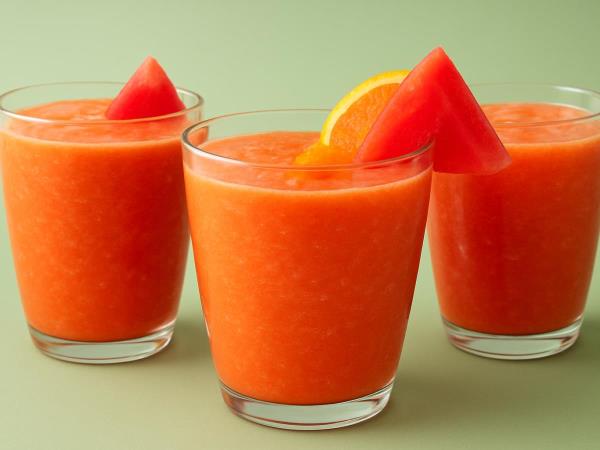
Ginger can do something useful after a meal. In a small randomized, double-blind trial, people with functional dyspepsia (a common form of recurring indigestion) took 1.2 g of ginger in capsules before a test meal. Their stomachs emptied faster than they did on a placebo. Half the meal had left the stomach after about 12 minutes, compared with about 16 minutes on placebo (Hu et al., World Journal of Gastroenterology, 2011). Blend that warming root with a whole grapefruit and a spoonful of honey and you get a bright, slightly spicy smoothie. It makes a nice finish to lunch or dinner.
Solid food first, then something to drink?
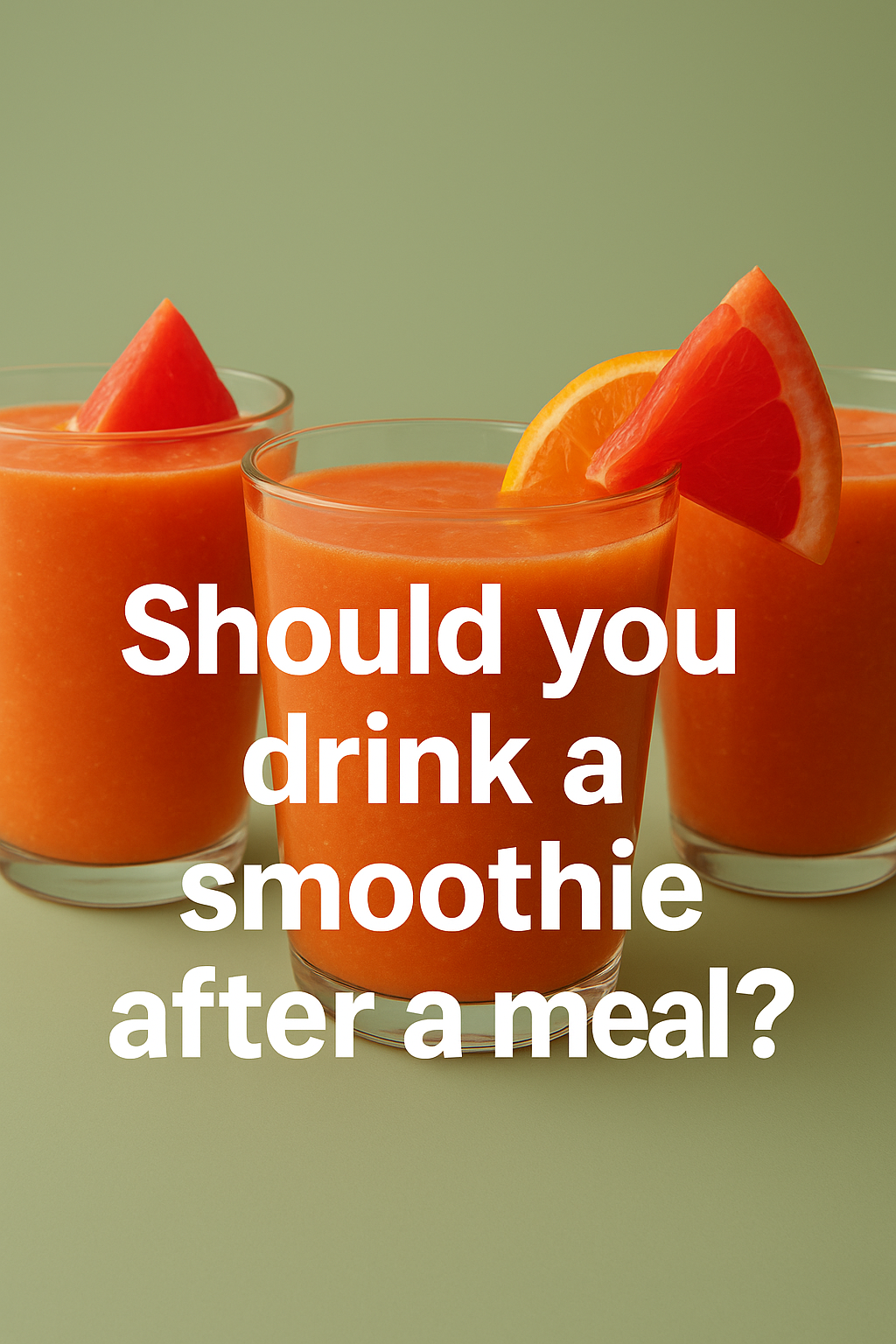
The recipe comes from a simple routine: eat the solid part of your meal first and finish with something liquid. If you enjoy ending a meal that way, there's no harm in it. You don't need to worry about drinking with your meals either. Mayo Clinic experts explain that water doesn't disturb digestion or dilute digestive fluids. It actually helps break food down, and drinking enough of it softens stool, which helps prevent constipation. So enjoy this smoothie as a pleasant end to a meal, not as a rule you have to follow.
Ingredients
- 1 grapefruit (pink or red gives you the most carotenoids)
- 1 tablespoon honey
- About 1 cm (half an inch) of fresh ginger root, grated
Preparation
- Peel the grapefruit and remove the seeds. Don't bother scraping off the white pith left from the peel. A juicer throws this fibrous part away, but a blender keeps it in your glass. That's one of the main differences between a smoothie and juice. A recent review notes that processing fruit into juice reduces its fiber, vitamins and antioxidants.
- Add the honey and the grated ginger. If you like a gentle burn, add more ginger to taste.
- Blend until smooth and even, then drink it after lunch or dinner.
What's actually in the glass
Grapefruit is the star here. According to USDA data, a cup of pink or red grapefruit segments provides about 72 mg of vitamin C and almost 4 g of fiber. It also contains about 3.3 mg of lycopene, a good amount of beta-carotene (which the body turns into vitamin A) and around 310 mg of potassium. You'll also find smaller amounts of calcium, magnesium, phosphorus, zinc, copper, manganese, vitamin E and B vitamins such as thiamin, riboflavin and niacin. Even half a medium grapefruit covers about 50 percent of the Daily Value for vitamin C. The color matters too. White grapefruit has far less beta-carotene than pink and red varieties, so choose a red one if you want more carotenoids.
In these small amounts, honey and ginger add flavor more than nutrients. Ginger brings the pungent compounds that give it its bite, and honey softens grapefruit's natural bitterness.
Digestion and regularity
Because you blend the whole fruit, pith included, you keep its fiber. Together with the fluid in the drink, fiber helps keep bowel movements regular. Grapefruit's potassium is one of the body's key electrolytes, and the drink adds to your daily fluid intake.
The ginger findings are encouraging but limited. The trial above involved only 11 patients and used dried ginger in capsules, not fresh ginger in a smoothie. The stomach emptied faster, but participants' symptoms of fullness, bloating and discomfort did not differ from placebo. A gram of grated fresh root isn't the same dose as those capsules, so think of ginger as a pleasant, possibly helpful addition rather than a treatment.
Grapefruit and weight: a modest effect, not magic
Grapefruit's slimming reputation does have some human research behind it. In a 12-week trial with 91 adults with obesity, the group that ate half a fresh grapefruit before meals lost 1.6 kg on average, compared with 0.3 kg in the placebo group. That's a real difference, but a small one. Note also that the fruit was eaten before meals, not after. Some striking results come from animal research. In one study, mice on a high-fat diet gained less weight when given clarified grapefruit juice, but mouse results don't automatically apply to people. Grapefruit fad diets have promised much more over the decades. See 200 Years of Diet Fads That Fooled Us - and Somehow Still Changed the World.
Skin: why vitamin C matters for collagen
Collagen gives skin its structure and elasticity, and your body needs vitamin C to make it. The Linus Pauling Institute explains that vitamin C regulates collagen synthesis, and its role in the process is well characterized. Researchers also say that vitamin C's effects in the skin are still not well understood because research is limited. Getting enough vitamin C from foods like grapefruit supports normal collagen production. That's a sensible goal, but it's not a promise that a smoothie will make you look younger.
Immunity and colds: keep expectations realistic
Vitamin C supports normal immune function, but the evidence on colds is more modest than its reputation. A large Cochrane review found that taking vitamin C regularly (at least 200 mg a day) didn't reduce how often ordinary people caught colds. It did shorten colds slightly, by about 8 percent in adults and 14 percent in children. The exception was people under heavy physical stress, such as marathon runners, skiers and soldiers on subarctic exercises. In that group, the risk of catching a cold was roughly halved. Those trials used supplements, and a glass of this smoothie gives you less vitamin C than many of them did. Enjoy it as part of a fruit-rich diet, not as protection against flu.
Antioxidants and the heart
Grapefruit provides several antioxidants, mainly vitamin C, lycopene and beta-carotene. There's also some interesting clinical work on grapefruit and blood lipids, covered in Fresh Fruit Juices: Nature's Everyday Ally for Heart, Liver, and Immune Wellness. No one has shown that a single drink lowers blood pressure, prevents heart attacks or asthma, or protects against cancer. The honest way to see this smoothie is as a tasty way to eat more whole fruit, which is good for you anyway.
Before you make it a daily habit
- Check your medications. Grapefruit can interact with a number of prescription drugs. The U.S. Food and Drug Administration explains that with many affected drugs, grapefruit lets more of the drug enter the blood, which can increase side effects. Ask your doctor or pharmacist before drinking this regularly. We explain how this works in 4 Foods You Should Not Mix Together.
- No honey for babies. Honey can carry spores of the bacterium that causes infant botulism, so it should never be given to children under 12 months.
- Honey is still sugar. One spoonful is enough to balance the bitterness. If grapefruit's tartness doesn't bother you, use less.
More ways to enjoy grapefruit
If you like this combination, try The Three-Ingredient Morning Smoothie That Nutritionists Say Can Give Your Digestion a Gentle Head Start, or the zesty Grapefruit, Lemon and Parsley Team Up: The Morning-After Drink Your Body Will Thank You For. Grapefruit and ginger also appear together in 4 ingredients for joints you probably have at home, a juice that also includes pineapple and cucumber.
Information on this website is for educational purposes only and is not medical advice.
expert, nutritionist
 Would you like to be informed about news on the website?













|

