






The Old-Fashioned Onion and Cabbage Soup Grandmothers Made for Every Autumn and Winter Ailment
expert, nutritionist
Six onions, one small head of cabbage, two peppers and twenty minutes on the stove. That's all it takes to make the soup our grandmothers reached for whenever the first autumn fog rolled in and someone in the house started sniffling. Here's the surprising part: one of the humblest ingredients in the pot, the fresh bell pepper, contains more than twice as much vitamin C as a lemon.
One of our readers told us she grew up with this soup simmering on her grandmother's stove "from the first frost until Easter." When she moved to the city and started catching every cold that went around the office, she called her grandmother for the recipe. "I didn't expect miracles," she wrote, "but a big pot on Sunday meant I had a warm, light dinner every evening that week. I felt lighter, I slept better, and that winter I didn't spend half my sick days in bed." Her experience is personal, of course, but it captures exactly why this recipe has survived for generations.
A Soup With a Long History and a New Reputation
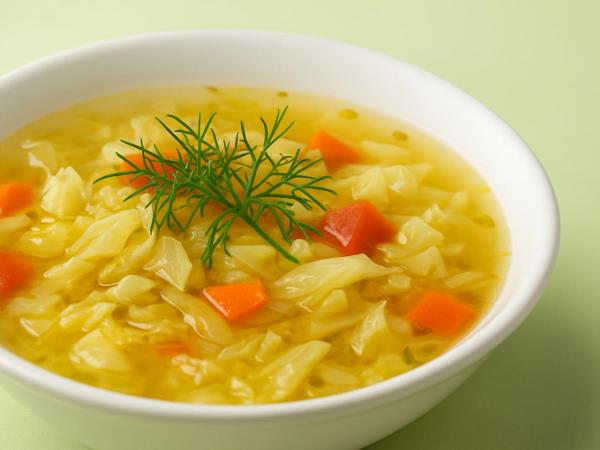
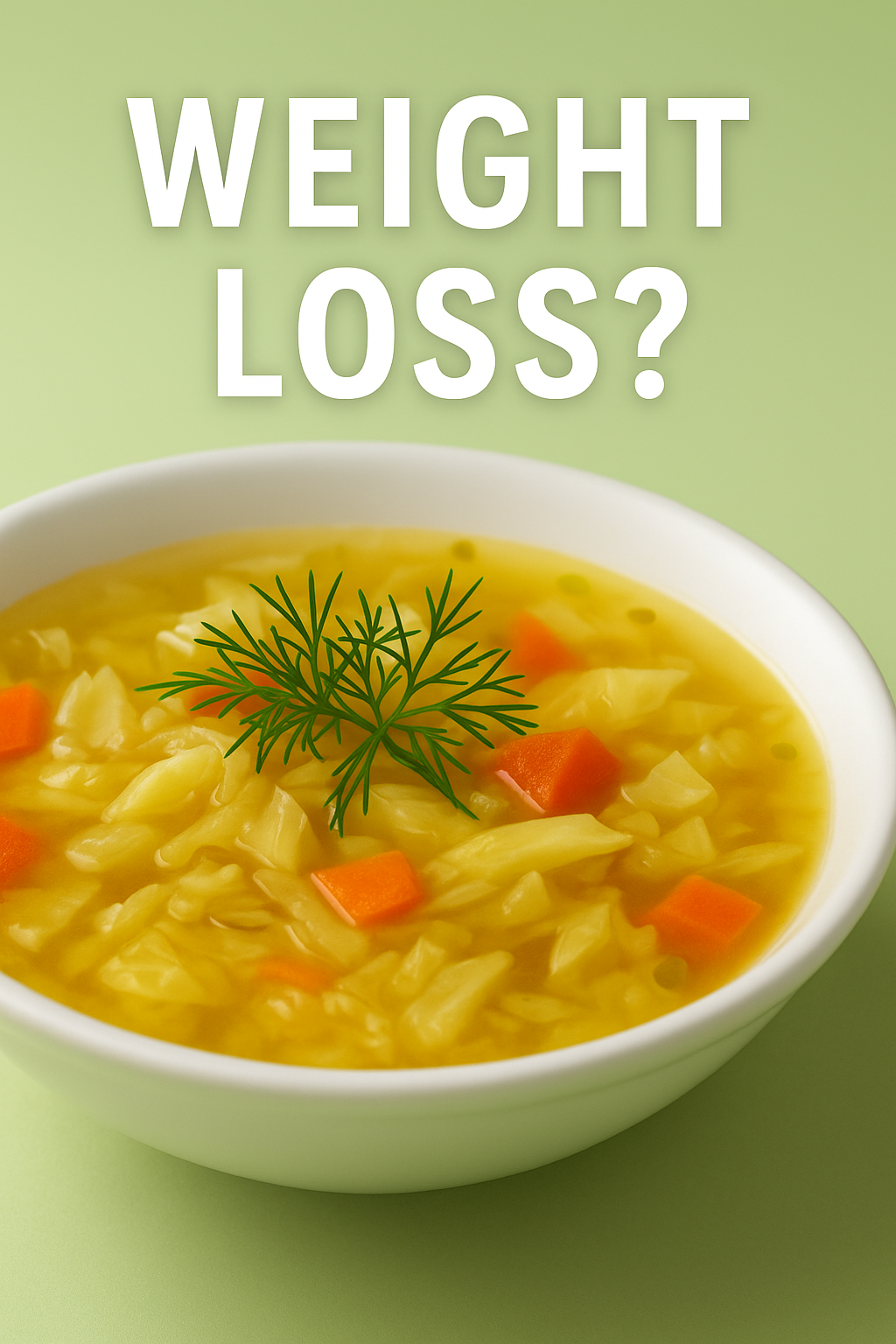
Onion soup with cabbage is a very healthy and nourishing meal. In the past, people turned to it for practically every autumn and winter complaint. Today, however, it is better known as a soup for weight loss. For many, losing weight is simply a pleasant side effect of eating this soup regularly. You may well find that it helps you feel more energetic during the colder months, and that you lose a kilogram or two along the way.
Its modern fame comes largely from the so-called cabbage soup diet, which has circulated since the 1950s under many nicknames, such as the "Sacred Heart Diet" and the "Russian Peasant Diet." The institutions it was named after have all denied any connection. In popular culture the soup is often linked to Dolly Parton, but there is no reliable evidence that she ever followed such a diet. It is a good example of how a simple folk recipe can turn into a legend.
Why These Five Ingredients Work So Well Together
As a nutritionist, I like this soup because every ingredient contributes something different, and together they make a light but filling meal.
- Onion is one of the richest everyday sources of quercetin, a plant antioxidant. Researchers have studied its role in inflammation and immune function, as summarized in a review in the journal Nutrients ("Quercetin, Inflammation and Immunity"). Onions also contain prebiotic fibers such as inulin, which feed the beneficial bacteria in your gut.
- Cabbage is very low in calories and a good source of vitamin C, vitamin K and fiber, as Healthline's overview of cabbage's nutritional value explains. Its fiber helps the soup feel satisfying.
- Bell pepper is the real vitamin C champion of the pot. According to USDA FoodData Central, 100 grams of raw red bell pepper contains roughly 128 mg of vitamin C, compared with about 53 mg in the same amount of lemon. Even green peppers outperform lemons.
- Tomatoes provide lycopene, an antioxidant that the body absorbs more easily from cooked tomatoes than from raw ones.
- Celery adds aroma, a natural savory note and extra fiber, so you need less salt.
Vitamin C plays an important role in normal immune function, as the NIH Office of Dietary Supplements explains. We should still be realistic. A large Cochrane review on vitamin C and the common cold found that regular vitamin C intake does not prevent colds in most people, but it may slightly shorten how long they last. Think of this soup as a tasty way to get more vegetables, not as a medicine.
If you enjoy warming winter traditions, you might also like our article Warm Water with Turmeric Against Winter Troubles.
Ingredients for the Soup
- 6 onions
- a bunch of celery
- 1 small head of cabbage
- 2 tomatoes
- 2 fresh bell peppers
- salt and black pepper to taste
Preparation
Cut all the ingredients into cubes and cover them with cold water. Cook over low heat. When the water comes to a boil, cook for another 15 to 20 minutes, or until the vegetables are soft. Then remove the pot from the heat and season with salt and pepper.
Nutritionist's tip: Vitamin C is sensitive to heat. To keep as much of it as possible, add the diced bell peppers only in the last 5 to 7 minutes of cooking, and avoid boiling the soup for longer than necessary. A word on seasoning: black pepper adds wonderful warmth and flavor, but it is not a meaningful source of vitamin C. That honor belongs to the bell pepper (in many languages the two share a name, which is where the old mix-up comes from). Season with a light hand on the salt; the celery and onion already give plenty of flavor.
Variations: A clove of garlic, a bay leaf, a pinch of sweet paprika or a handful of fresh parsley at the end all suit this soup beautifully. To make it a more complete meal, add a handful of cooked beans or lentils, or serve it with a slice of wholegrain bread and a piece of cheese.
When and How to Enjoy It
You can eat this soup for lunch as well as for dinner. Those who want to use it to support weight loss often eat it at several meals a day. If you mainly want a light, vegetable-rich meal in the colder months and maybe lose a little weight along the way, simply enjoy it in place of dinner.
There is also a good reason why soup helps with portion control. In studies by nutrition researcher Barbara Rolls at Penn State, published in the journal Appetite, eating a low-calorie vegetable soup before a meal reduced the total amount of calories people ate at that meal. Water-rich, fiber-rich foods fill the stomach without many calories.
A word of caution: traditionally, people did not stick to this soup as their only food for more than about 10 days, and then took at least a week's break. That old rule is wise. A diet based mostly on vegetable soup is very low in protein, healthy fats and several nutrients. Experts quoted by Medical News Today point out that much of the quick weight loss is water, and that fatigue, headaches and bloating are common on restrictive soup diets. For lasting results, it works best as one part of a varied, balanced diet. If you have a health condition, are pregnant, or take regular medication, talk to your doctor or a registered dietitian before making big changes to how you eat. For gentler approaches, read Diet without dieting and 2 kg less per week and Hello, and Fattening: Foods that Sabotage Your Diet.
Large amounts of onion and cabbage can also cause gas and bloating in some people. If your digestion is sensitive, start with smaller portions and let your body get used to the extra fiber.
Why So Many People Call It a "Magic Soup"
After just a few days, you will see why so many people call this the magic soup. It is cheap, takes minutes to prepare, warms you on a grey autumn evening and fills your plate with vegetables your body appreciates. It won't make you invincible to every cold that comes around, but as part of a healthy lifestyle with enough sleep, movement and fresh air, it is one of the simplest and most comforting ways to look after yourself when the days grow shorter.
Information on this website is for educational purposes only and is not medical advice.
expert, nutritionist
 Would you like to be informed about news on the website?













|

