




Chestnuts: The Autumn Snack That May Support Your Heart, Gut and Bones
expert, nutritionist
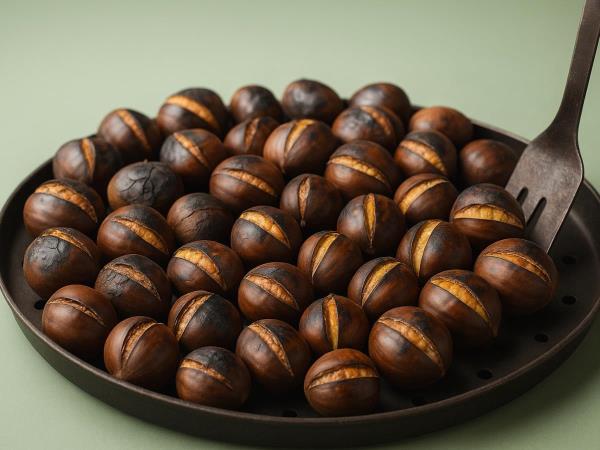
Here's a fact that surprises almost everyone: among all the nuts you can buy, the humble chestnut is the one that brings real vitamin C to the table. Almonds, walnuts and hazelnuts barely register, yet a small bag of fresh chestnuts can cover a meaningful share of your daily needs. Add a fat content far lower than other nuts and a sweet, creamy texture closer to a baked potato than a cashew, and you have one of autumn's most underrated snacks.
Few foods are as closely tied to a season. Even one of the most famous Christmas songs ever written started with chestnuts. On a sweltering July afternoon in 1945, jazz singer Mel Torm{-15447} found that his songwriting partner had jotted a few wintry lines on a notepad, simply to "think cool" in the heat. The first image was a childhood memory of Boston street vendors handing out paper cones of hot roasted chestnuts. Within about 45 minutes the two had written "The Christmas Song", better known by its opening line about chestnuts roasting on an open fire, which Nat King Cole turned into a classic. Eighty years later, the smell of roasting chestnuts still means one thing: autumn has arrived.
Our readers have their own chestnut rituals. One reader told us she replaced her afternoon biscuits with five or six roasted chestnuts and a cup of herbal tea: "They're sweet enough to feel like a treat, and I stay full until dinner." Another learned the opposite lesson the hard way: "I ate an entire bag at a Christmas market and spent the evening feeling like a balloon." Both experiences point to the same truth: chestnuts are wonderful, but portion size matters.
Why chestnuts are different from other nuts
Chestnuts are a very popular and common autumn snack, and in many European regions they were once a main dish, nicknamed the "bread of the poor" or "bread tree." Like other nuts they contain some fat, but far less than comparable nuts: roasted European chestnuts contain only around 2 g of fat per 100 g, according to USDA FoodData Central, compared with roughly 50 g or more in walnuts or almonds. That's why chestnuts are often described as a light, filling snack that fits well into a balanced diet. Like any starchy food, though, they still provide calories, so moderation is key.
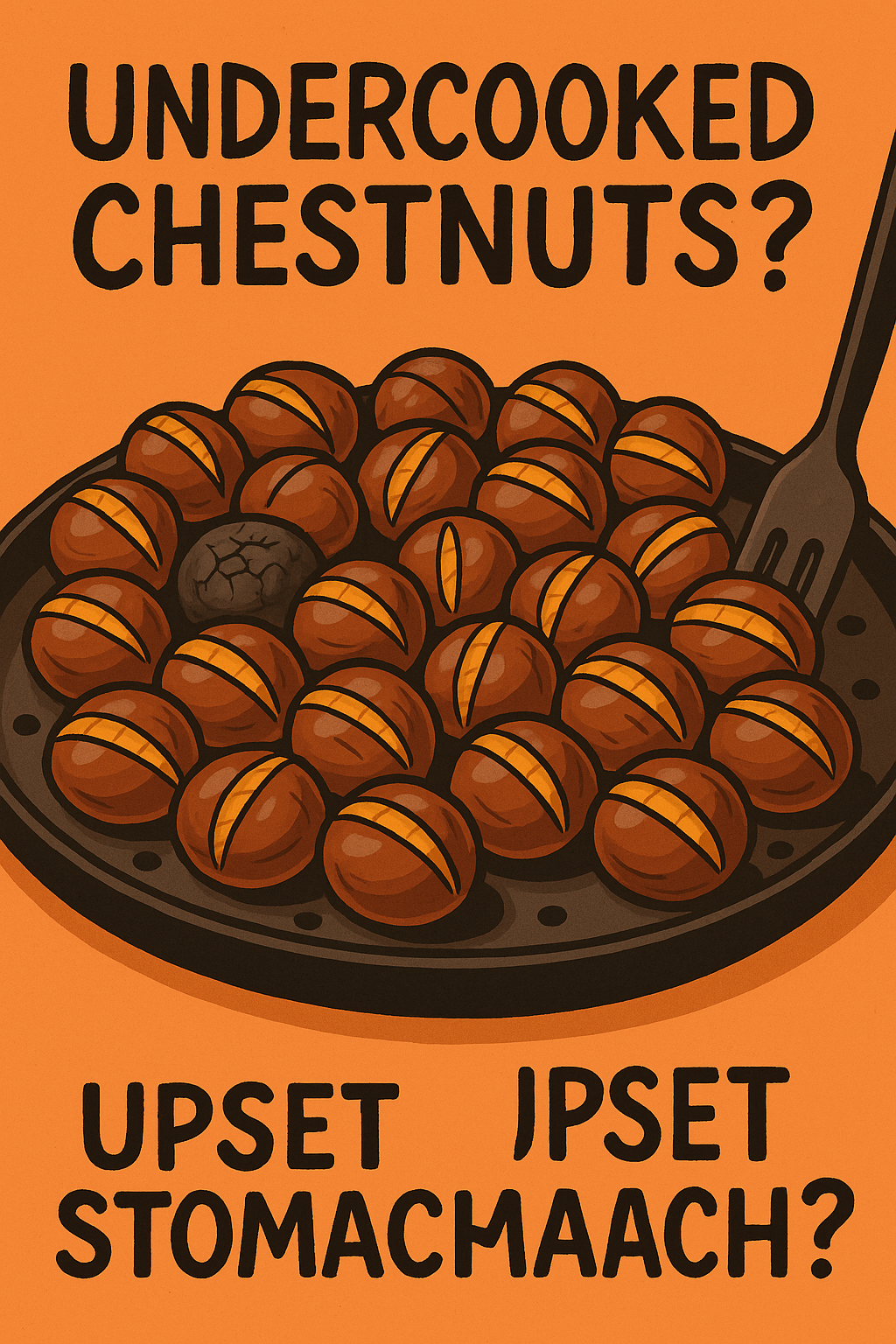
A sensible, satisfying portion is around 85 g (about 3 oz, or roughly 8 to 10 peeled chestnuts). If you eat much more than that, especially when they're undercooked, you may experience bloating or heaviness, because chestnut starch and certain carbohydrates are fermented in the gut. Grazia magazine notes that poorly roasted chestnuts with raw starch are a common cause of that "stone in the stomach" feeling.
What's inside a handful of chestnuts
An 85 g serving of roasted chestnuts provides about 200 to 210 calories. Fresh chestnuts are notably rich in vitamin C, around 40 mg per 100 g when raw, which is a rarity among nuts. Roasting reduces this somewhat, yet a portion of roasted chestnuts can still provide roughly a quarter of your daily vitamin C, and fresh or gently boiled ones may provide more. Chestnuts also supply a good amount of folate, a nutrient we usually associate with leafy green vegetables.
Besides vitamin C, chestnuts provide vitamins B1, B2 and B6, as well as folate, which plays a role in the formation of red blood cells and in DNA synthesis. The Australian nutrition organization Nuts for Life points out that chestnuts are the only nuts with meaningful vitamin C, that they are naturally gluten-free, and that chestnut meal has a low glycemic index.
Among minerals, chestnuts offer magnesium, copper, manganese, calcium, iron, zinc and potassium. Copper and manganese stand out in particular: 100 g of roasted chestnuts covers roughly half of the daily value for each. Dietary fiber deserves a special mention, since fiber is linked to healthy cholesterol levels as part of an overall balanced diet, as explained by the Harvard T.H. Chan School of Public Health.
Because chestnuts contain a lot of starch, their composition is closer to potatoes, corn and whole grains than to typical nuts. That's why, in parts of Europe and Asia, they replace potatoes in soups, stews and stuffings.
Researchers are also interested in chestnuts for reasons beyond basic nutrition. A comprehensive review in the Journal of the Science of Food and Agriculture examined the composition of European chestnuts and their processed products and highlighted their content of antioxidant compounds. A more recent review in the journal Foods describes the sweet chestnut as a food with a low fat content and potentially health-friendly phenolic compounds such as gallic and ellagic acid.
Boiled, roasted or in a cozy tea
You can enjoy chestnuts boiled, roasted, or even in tea. They always have a recognizable, distinctive and pleasant flavor. Their nutritional value stays impressive however you prepare them, although some vitamin C is lost with heat, so gentle boiling or steaming tends to preserve more of it than long, hot roasting. Always cut a cross into the shell before cooking so the chestnuts don't burst, and make sure they're cooked through: properly cooked starch is much easier on the stomach.
If you love seasonal nuts, you may also enjoy The 14-Day Walnut Secret: Do "Sprouted" Walnuts Really Become a Nutritional Treasure?, and if you're curious about other unexpected sources of vitamin C, read The Milk With Far More Vitamin C Than Cow's Milk: Why Almost Nobody Drinks It.
Horse chestnut: for the veins, never for the plate
This is where many people get confused, and it matters. The shiny brown "conkers" you find in parks come from the horse chestnut tree (Aesculus hippocastanum), a completely different species from the edible sweet chestnut (Castanea sativa). Horse chestnuts are not edible: the raw seeds, leaves, bark and flowers contain a toxic compound called esculin, and homemade preparations should never be used, warns the US National Center for Complementary and Integrative Health (NCCIH).
Although horse chestnut isn't food, properly processed, standardized horse chestnut seed extracts, available as tablets, gels and creams, have a long tradition of use for heavy, tired legs and visible veins. A Cochrane systematic review found that standardized extracts may help ease symptoms of chronic venous insufficiency, such as leg swelling and discomfort. Traditionally, horse chestnut has also been used for hemorrhoids, but the evidence there is much weaker. The European Medicines Agency recognizes horse chestnut seed preparations as traditional herbal medicines for adults only. If you're considering them, especially if you take blood thinners or have kidney or liver problems, talk to your doctor or pharmacist first.
Chestnuts and your heart
Chestnuts contain only small amounts of fat, and most of it is unsaturated, including oleic acid, the same fatty acid that olive oil is known for. What makes chestnuts heart-friendly is the overall package: they are low in saturated fat and sodium, contain no cholesterol, and provide fiber and potassium. The American Heart Association explains that potassium-rich foods can help balance the effects of sodium as part of a heart-healthy eating pattern. Swapping fatty or sugary snacks for a portion of chestnuts may be a small but pleasant step in the right direction.
A gentle helper for water balance and digestion
In folk tradition, chestnuts are considered a mild diuretic that helps the body release excess water, and they've long been recommended for "heavy" digestion. Modern science explains part of this simply: chestnuts are rich in potassium, which helps regulate fluid balance, and in fiber, which supports regular bowel movements and a healthy passage of food through the gut. If water retention is something you struggle with, you may also find helpful tips in Get Rid of Bloating and Excess Water.
One word of caution: people with kidney disease often need to limit potassium, and chestnuts also contain a moderate amount of oxalates, so anyone with kidney problems or a history of kidney stones should check with their doctor how chestnuts fit into their diet. If you have a sensitive stomach, start with a small portion and avoid eating chestnuts on an empty stomach; our guide 4 Foods Best Not Eaten on an Empty Stomach – One Is Completely Unexpected explains why timing matters.
Antioxidants that may help the body fight inflammation
Chestnuts have traditionally been valued by people with joint stiffness, arthritis and rheumatism. While chestnuts are no substitute for medical treatment, they contain polyphenols such as gallic and ellagic acid, and interestingly, some studies suggest these antioxidants become more concentrated after cooking. A 2024 review in the journal Nutrients discusses the potential anti-inflammatory and antioxidant properties of tannins derived from the sweet chestnut, although most of this research has been done in laboratories rather than in people. As part of a varied diet rich in plant foods, chestnuts can be one more colorful piece of the puzzle. For another warming autumn ritual, try Warm Water with Turmeric Against Winter Troubles.
Good for your bones, too
Bone health isn't just about calcium. Chestnuts provide manganese, copper and magnesium, minerals that play a role in the formation and maintenance of bone and connective tissue. Combined with vitamin C, which the body needs to make collagen, chestnuts can be a tasty contribution to a bone-friendly diet alongside dairy, leafy greens and regular physical activity.
Tips for enjoying chestnuts wisely
- Choose the right chestnut: buy sweet chestnuts at the market; never cook conkers from the park.
- Pick fresh ones: look for glossy, heavy, firm chestnuts without holes. A quick test: healthy chestnuts sink in water, damaged ones float.
- Cook them thoroughly: undercooked chestnuts are harder to digest.
- Mind the portion: around 85 g (8 to 10 chestnuts) is a satisfying snack.
- Get creative: add chopped chestnuts to soups, salads, stuffings, risottos or roasted vegetables, or blend them into a creamy autumn pur{-15447}e.
So the next time you smell roasting chestnuts drifting from a street stall, don't walk past. A warm paper cone of chestnuts is one of autumn's simplest pleasures, and with the right portion, it's also a nourishing one.
Information on this website is for educational purposes only and is not medical advice.
expert, nutritionist
 Would you like to be informed about news on the website?






|

