





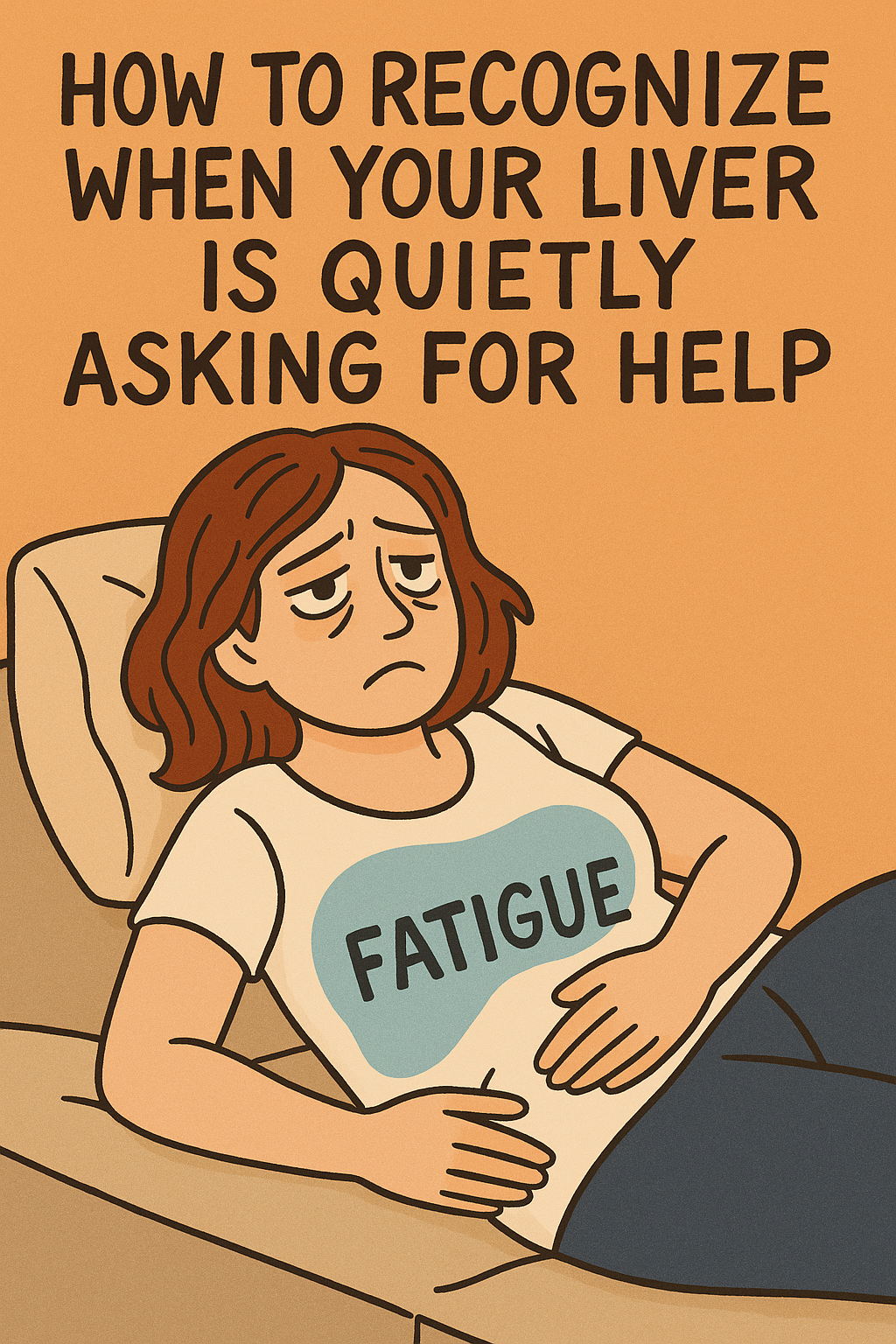
The Organ That Never Hurts: How to Recognize When Your Liver Is Quietly Asking for Help
expert, nutritionist
It filters your blood around the clock, stores energy, breaks down alcohol and medicines, and produces the bile that helps you digest fat. Yet when something starts to go wrong, your liver usually stays silent. No sharp pain, no throbbing ache, no obvious alarm. The liver tissue itself has very few pain-sensing nerves, and discomfort usually appears only when the organ swells and stretches its outer capsule. That is why liver problems are often called "silent": by the time they become obvious, they may have been developing for years.
A voice the whole world knew, and a virus nobody noticed
Few stories illustrate this silence better than that of Grammy-winning singer Natalie Cole. In 2008, while she was recording a new album, a routine blood test revealed that she had chronic hepatitis C. Her doctors believed the virus had been in her body for more than two decades, linked to a difficult period of her youth that she had long since left behind, and during all those years she had noticed nothing unusual. Cole later spoke openly about her diagnosis and joined an awareness campaign with the American Liver Foundation to encourage others to get tested, precisely because so many people with liver conditions feel completely well for a long time.
Many of our readers share similar experiences. One reader told us she had put her constant tiredness down to a busy job and poor sleep, until a check-up for something entirely different showed elevated liver values. "I never felt anything in my abdomen," she said. "If I had not had that blood test, I would still be blaming my alarm clock."
Even if you feel that nothing is wrong, it is worth paying attention to the details. The liver does not hurt, but the body can show visible changes that may sometimes point to a liver that needs more care. According to the NHS, many types of liver disease cause no symptoms in their early stages, which is why these subtle signals deserve your attention.
Weakness and fatigue
If you regularly wake up tired and weak for no apparent reason, your liver may be one of the possible reasons worth discussing with a doctor. Persistent fatigue is one of the most frequently reported early signs of liver conditions, although it can of course have many other causes, from poor sleep and stress to low iron or thyroid issues. If this feeling lasts for several days or weeks, it is wise to see your doctor. The liver helps clean the blood and neutralize harmful substances, so when it is not working at its best, the effects can be felt throughout the body.
Interestingly, lifestyle habits that tire us out can also burden the liver. Short sleep, for example, has been linked to weight gain around the waist, and abdominal fat is closely associated with fat building up in the liver. We explored this connection in our article When you sleep too little, your belly grows.
Rashes and skin changes
If you look unusually pale, sweat heavily, have dry and flaky skin, or keep finding scratch marks on your body, it is also worth considering how your liver is doing. Rashes, especially on the face, small blisters, hives and other skin changes can sometimes accompany liver problems. These changes are often accompanied by itching, which is linked to the build-up of bile substances in the skin when bile does not flow properly.
Doctors also look for a few lesser-known skin signs, such as small red, spider-like blood vessels on the chest and face (so-called spider angiomas), reddened palms, and bruising more easily than usual. The National Institute of Diabetes and Digestive and Kidney Diseases (NIDDK) lists several of these among the possible signs of advanced liver scarring.
Changed skin color
Jaundice, a yellowish tint to the skin, is one of the best-known signs that the liver or gallbladder may not be working as they should. It occurs when bilirubin, a yellow pigment formed when old red blood cells are broken down, builds up in the blood instead of being processed and removed by the liver. The NHS advises that anyone who notices yellowing of the skin should contact a doctor promptly.
Changed whites of the eyes
A change in the color of the whites of the eyes and the mucous membranes, for example under the tongue, can also suggest that the body is having difficulty clearing certain substances from the blood. In fact, yellowing often appears in the whites of the eyes before it becomes visible on the skin, so it is worth taking a moment in good daylight to look in the mirror.
Changed urine (and stool)
The difference between urine colored by food, such as beetroot, or by certain vitamins, and urine that may reveal a liver issue is that the latter usually lasts for several days. Very dark, tea- or cola-colored urine, especially together with pale or clay-colored stools, can indicate that bile is not flowing normally. The color of urine can hint at a whole range of possible conditions, which is why a persistent change is always worth mentioning to your doctor.
Other quiet signals worth knowing
- Swelling in the legs, ankles or abdomen, caused by fluid retention.
- Loss of appetite and unexplained weight loss, sometimes with nausea.
- Easy bruising or bleeding, since the liver produces proteins that help blood clot.
- Difficulty concentrating or unusual sleepiness, which in more advanced cases may be linked to substances the liver is no longer clearing efficiently.
None of these signs alone means that something is wrong with your liver. But if several of them appear together or persist, a simple blood test of liver values is an easy and inexpensive first step. The British Liver Trust points out that many people are only diagnosed late, which is exactly why early checks matter.
The good news: the liver is a remarkable regenerator
Finally, here is an important and encouraging fact. The liver has one of the greatest regenerative abilities of any organ in the body. Surgeons know that a healthy liver can regrow lost tissue after part of it has been removed, as described by the Cleveland Clinic. It needs surprisingly little help to repair itself, but only if problems are noticed early enough. When long-term damage leads to extensive scarring, the liver's ability to recover becomes much more limited.
Your daily habits may support or burden this process. Diets high in added sugar, highly processed fatty foods and excess salt have been linked to fat accumulating in the liver. This condition, now often called metabolic dysfunction-associated steatotic liver disease (formerly known as non-alcoholic fatty liver disease), is estimated to affect a large share of adults worldwide, according to the American Liver Foundation. If you would like to know which everyday foods are worth limiting, read 5 Foods That Shorten Your Lifespan and Hello, and Fattening: Foods that Sabotage Your Diet.
The biggest burdens for your liver, and one surprise
Alcohol remains one of the most significant threats to liver health. The World Health Organization lists liver cirrhosis among the many conditions linked to harmful alcohol use, and there is no level of drinking that is completely risk-free. If you are curious how much you actually drink, our alcohol calculator can help put it into perspective.
Cigarettes are another burden. Smoking exposes the liver to many toxic compounds and has been associated with faster progression of existing liver conditions, which is one more good reason to quit.
And coffee? For a long time it was counted among the liver's enemies, but research paints a far kinder picture. A large study of more than 125,000 people, published in the Archives of Internal Medicine in 2006 by researchers from Kaiser Permanente, found that coffee drinkers had a lower risk of alcohol-related cirrhosis. A 2021 analysis of almost half a million participants in the UK Biobank, led by the University of Southampton and published in BMC Public Health, linked moderate coffee drinking with a lower risk of chronic liver disease. The researchers themselves stress that coffee does not undo the effects of heavy drinking: the best approach is still to cut down on alcohol. Enjoyed in moderation, black coffee without loads of sugar and cream may be a perfectly reasonable part of a liver-friendly routine.
A nutritionist's tips for a happier liver
- Fill half your plate with vegetables. Leafy greens, broccoli, cabbage and Brussels sprouts bring fiber and protective plant compounds.
- Choose good fats. Olive oil, nuts and oily fish such as salmon and sardines fit well into a Mediterranean-style diet, which is often recommended for liver health. Read more in Olive oil on an empty stomach: healthy habit or myth?
- Cut back on added sugar, especially sweetened drinks, which have been linked to fat build-up in the liver.
- Go easy on alcohol and give your body alcohol-free days every week.
- Move regularly. Even moderate exercise and gradual weight loss can help reduce liver fat.
- Be careful with medicines and supplements. Do not exceed recommended doses of painkillers such as paracetamol (acetaminophen), and ask your doctor or pharmacist before starting herbal "detox" products.
- Get checked. A routine blood test is one of the simplest ways to catch liver changes early, often long before you would feel anything.
The bottom line
Your liver will rarely complain with pain, but it may whisper through your skin, eyes, urine and energy levels. Paying attention to these quiet signals, supporting your liver with balanced food, little or no alcohol, no smoking and regular movement, and talking to your doctor when something seems off are some of the kindest things you can do for this hard-working, silent organ.
Information on this website is for educational purposes only and is not medical advice.
expert, nutritionist
 Would you like to be informed about news on the website?













|

