





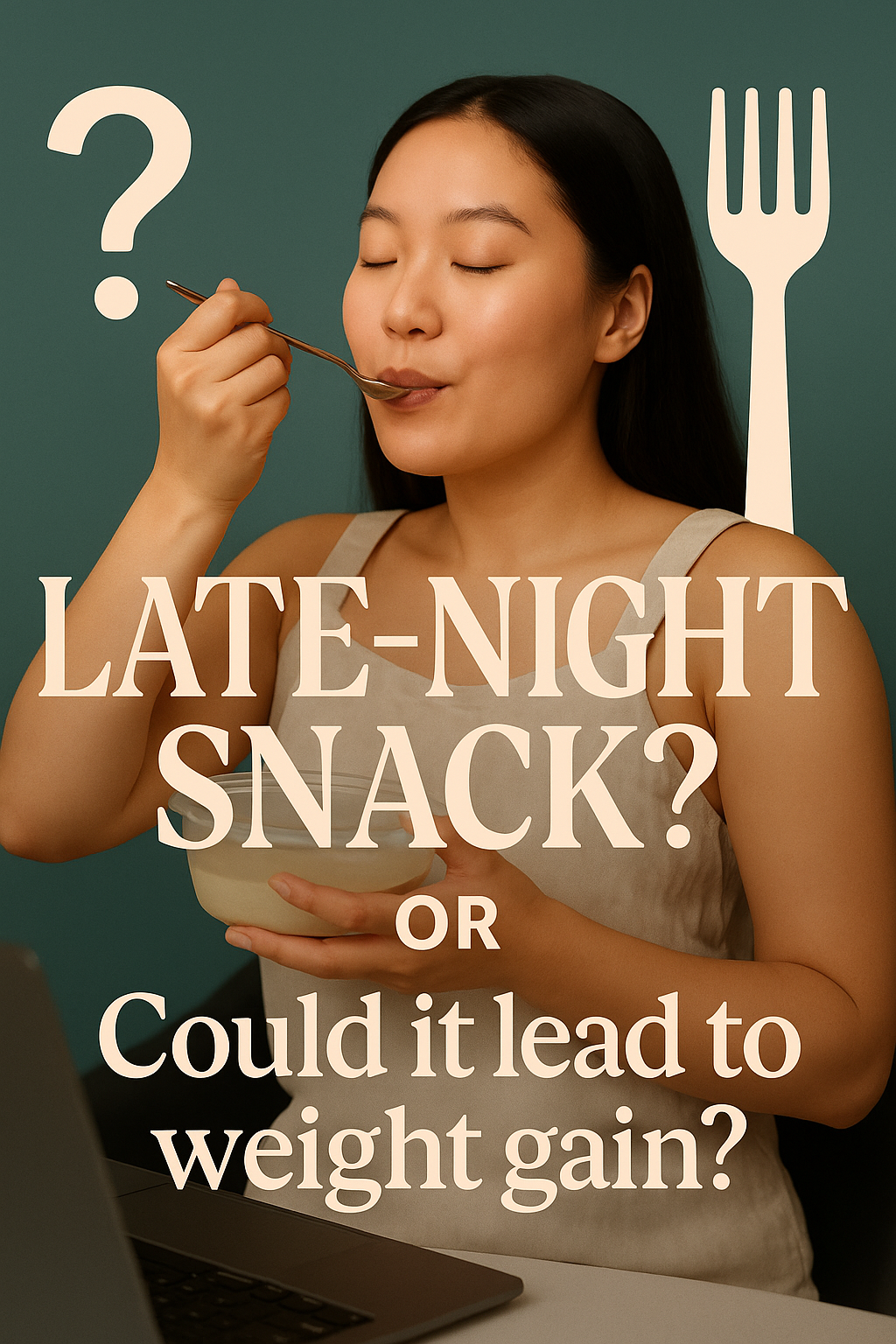

The End of the 6 p.m. Myth: Light Bedtime Snacks That May Actually Work in Your Favor
expert, nutritionist
For decades we were told the kitchen closes at six. Eat after that, the story went, and every bite turns straight into fat while you sleep. But nutrition science has quietly moved on. Researchers now suggest that the question isn't so much when you eat in the evening, but what and how much. A small, smart snack before bed may not only be harmless; for many people it may actually help.
Even Hollywood shows how personal meal timing really is. Actress Jennifer Aniston has told Elle that she follows a 16-hour eating window and doesn't eat solid food until mid-morning, then starts with oatmeal enriched with whipped egg white for extra protein. Plenty of other people do the exact opposite and swear by a light evening snack. Both approaches can work, and that's the point: rigid clock rules matter far less than the quality and size of what ends up on your plate.
One of our readers, a nurse working rotating shifts, put it simply: "For years I went to bed hungry because of the 'nothing after six' rule. I slept badly and raided the fridge at 2 a.m. When I switched to a small bowl of yogurt with berries around nine, the night-time raids simply stopped."
What science says about eating before bed
Researchers at Florida State University, led by exercise physiologist Michael Ormsbee, have spent years studying night-time eating. In a study published in the British Journal of Nutrition, active young men who drank a small protein or carbohydrate drink 30 minutes before sleep had a higher resting energy expenditure the next morning than those who took a placebo. In their review in the journal Nutrients, the same team concluded that small night-time snacks of around 150 calories do not appear to be harmful and may even offer some benefits for muscle and metabolic health. Large, heavy late-night meals and binge eating remain a different story.
Why would this be? Because the body keeps working while we sleep: the heart beats, the brain dreams and the digestive system quietly does its job. A light, protein- and fiber-rich snack simply gives it steady fuel for that work.
Old folk healers also believed that "night is not a time for starving, but for renewal." In their view, hunger before sleep "disturbs the soul and the body" and makes rest restless. Many people today would agree: going to bed with a growling stomach rarely leads to a calm night. Sleep matters for your waistline too. Read more in our article When you sleep too little, your belly grows.
The ideal "fat-friendly" bedtime bowl? Very often, it's a bowl of oats or bran.
Oats: the classic evening bowl
One of the oldest secrets of the "evening diet" is oats. It may surprise you, but a bowl of whole-grain rolled oats (about 40 grams) contains only around 150–180 calories, yet it tends to keep you full far longer than any sweet snack.
Oats contain soluble fiber, mainly beta-glucan. This type of fiber dissolves in water and forms a gel-like substance in the gut that slows digestion. As a result, you may stay full longer and your blood sugar tends to rise more gently. A 2023 review of oats and appetite hormones notes that oat beta-glucans may influence satiety hormones and support body-weight management. Oat beta-glucan also carries several approved health claims from the European Food Safety Authority (EFSA), including one on maintaining normal blood cholesterol levels.
Oats were a favorite of royalty too. Former royal chef Darren McGrady has revealed that Princess Diana ate overnight oats, prepared the evening before with Greek yogurt, almost every day. For more on why fiber deserves a place on your plate, see The Secret Weapon Against Stubborn Weight: Is Fiber the One Thing Missing From Your Diet?
Folk healers valued oats as "a remedy for peaceful dreams." An old saying goes: "Who cooks oats in the evening sweeps away bad dreams at night." Today we know that oats contain magnesium and small amounts of the amino acid tryptophan, which the body uses to make serotonin and melatonin. A warm bowl of oats may therefore be a soothing part of a calm evening routine.
Why an apple with peanut butter makes a smart evening treat
If you crave something sweet in the evening, reach for an apple with a teaspoon of peanut or almond butter. An apple is rich in fiber, which supports healthy digestion, and its natural sugars come packaged with that fiber, so they are absorbed more slowly than sugar from sweets.
Peanut butter contains protein and healthy fats that slow digestion, helping you stay satisfied for hours. One tablespoon has about 90–95 calories (see USDA FoodData Central), which is perfectly reasonable, especially if it replaces dessert. The Sleep Foundation notes that a small snack before bed may help keep blood sugar steady and satisfy cravings, which can make it easier to fall asleep.
The old folks used to say: "An apple in the evening keeps the doctor across the street." Today we might add: "An apple with a spoonful of nut butter, and farewell to midnight snacking."
Hard cheese: a small secret of satiety
When we hear the word cheese, we think of heavy, fatty food, but the truth is more interesting. Hard cheeses such as Emmental, Gouda or Parmesan are high in protein and very low in carbohydrates.
A small piece (about 20 grams) contains around 80 calories, yet it can feel surprisingly filling. Protein slows down stomach emptying, and fat helps quiet the feeling of hunger.
Cheese also provides calcium. Researchers at the University of Tennessee, led by Michael Zemel, studied dairy foods during weight loss. In one 12-week trial published in the International Journal of Obesity, adults on a reduced-calorie diet that included three servings of yogurt a day lost noticeably more trunk fat than those on the same calorie deficit with little dairy. Later studies have produced mixed results, so dairy is best seen as a helpful part of a balanced diet rather than a fat-burning shortcut.
Our ancestors knew the value of cheese, too. In folk medicine it was recommended for "night-time strength," and people would say: "When a farmer falls asleep with cheese in his belly, he dreams of fields, not worries." A small piece of cheese can indeed be a calm, satisfying end to the day.
Low-fat Greek yogurt for a restful night
If we had to choose just one food for a late snack, it would be low-fat Greek yogurt. Why? It is rich in protein (mostly slow-digesting casein) and contains tryptophan, an amino acid the body uses to make serotonin and melatonin, the hormones involved in mood and sleep.
Add a handful of blueberries or raspberries and you also get natural antioxidants, substances that help protect cells. One serving (150 g) of plain low-fat Greek yogurt contains roughly 100–130 calories, which is ideal for the evening.
A 2022 study in Frontiers in Nutrition found that sedentary healthy adults who had a protein supplement before sleep, combined with resistance exercise, showed favorable changes in energy metabolism and appetite. Results like these are one reason dietitians often suggest dairy protein as a sensible bedtime choice.
In folk practice, dairy products were often used "to calm the stomach." Grandmothers used to say: "Who eats a spoonful of yogurt before sleep won't have heavy dreams." Today, many would nod in agreement.
A light pudding for those who can't live without something sweet
If you're one of those people who can't imagine an evening without something sweet, here's good news: a light, low-sugar pudding can satisfy your craving without derailing your goals. Choose a version made with milk or skyr and little or no added sugar, or make a quick chia pudding at home.
Such a portion has roughly 80–120 calories and provides milk protein, which helps the body repair and maintain muscle. The Florida State University research mentioned above suggests that small protein-containing snacks before sleep do not appear to harm next-morning metabolism in healthy, active people.
Folk wisdom says: "Sweet calms the body, bitter worries it." So treat yourself to something sweet now and then, just in the right form and portion. If your evenings tend to end with heavier treats, our guide Hello, and Fattening: Foods that Sabotage Your Diet shows which ones are worth swapping.
Why bananas are a sleep-friendly snack
Bananas have long been known as a natural "sleep helper." They contain magnesium, potassium and tryptophan, a combination that supports muscle relaxation and the body's own production of melatonin. One medium banana has about 105 calories and a good dose of fiber.
Scientific evidence on bananas and sleep is still limited, but many people report that a banana in the evening helps them feel calmer and less likely to wake up hungry. Curious how bananas really compare on potassium? Read Bananas and Potassium: A Myth That Needs to Be Broken Down.
Folk medicine says: "A banana closes the door to hunger." Eat one about an hour before bed and you may sleep more soundly and avoid those night-time fridge raids.
Turkey: lean protein that's easy on the stomach
If you're looking for a protein food that won't weigh heavily on your stomach, turkey is an excellent choice. Two slices of turkey breast (about 100 g) provide roughly 120–150 calories, depending on the cut, and around 25 grams of protein.
Turkey also contains tryptophan and very little fat. Research summarized in the Kinsey and Ormsbee review suggests that protein eaten before sleep may support overnight muscle protein synthesis, which helps the body hold on to muscle, an important ally for anyone trying to manage their weight.
In folk tradition they said: "Who eats turkey sleeps like a king." And indeed, after such a light meal you'll feel satisfied, calm and comfortable.
Who should be more careful
Evening snacks aren't right for everyone. If you suffer from heartburn or acid reflux, lying down soon after eating can make symptoms worse; experts quoted by the Sleep Foundation generally advise finishing full meals two to four hours before bed. Some dietitians, such as those at Cleveland Clinic, prefer that people avoid food before bed altogether and, when they do need something, choose a small, light snack. If you have diabetes or another health condition, talk to your doctor or a registered dietitian before changing your evening eating habits.
So what should you eat before bed to stay healthy and feel light?
It's not about miracle foods, but about a smart combination. The body doesn't necessarily need an empty stomach; it needs the right food, at the right time and in the right amount.
A small evening snack rich in protein and fiber, around 150–200 calories, may help you sleep more peacefully and wake up more refreshed, and it can fit well into a balanced daily diet. Overall calories and food quality across the whole day still matter most. For a gentle, sustainable approach, see Diet without dieting and 2 kg less per week.
That's also the essence of folk wisdom: listen to your body.
If it tells you it's hungry, don't deny it food. Offer it something good, natural and light.
And remember: proper nutrition isn't a punishment, but a friendship with your body.
Give it the right fuel, and it will repay you with energy, well-being and peaceful sleep.
Information on this website is for educational purposes only and is not medical advice.
expert, nutritionist
 Would you like to be informed about news on the website?













|

