




The Vegetable Compote That Wakes Up Your Gut: A 5-Ingredient Recipe to Get Ready for Winter
expert, nutritionist
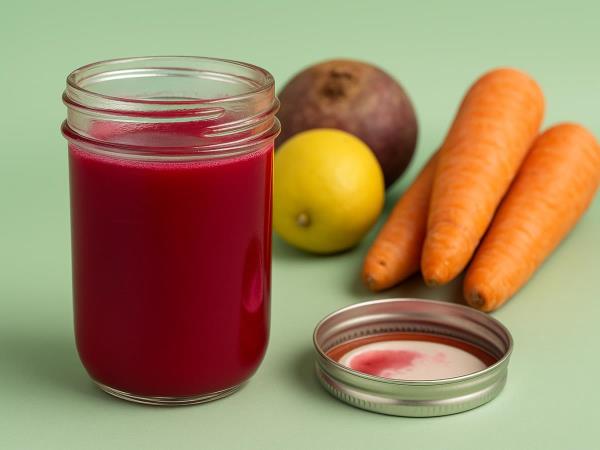
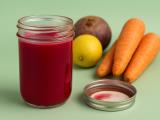
Two humble root vegetables, two handfuls of dried fruit, one spoonful of honey, and a single night of patience. That is all it takes to make a ruby-red drink that tastes like late autumn in a glass, and that many people swear makes their mornings feel lighter. No juicer, no expensive powders, no complicated rules. Just a pot, boiling water, and twelve hours of waiting.
The star ingredient, beetroot, has an impressive fan club. British wheelchair racer David Weir, one of the most decorated Paralympians of his generation, told the UK media that beetroot juice was part of his preparation when he won four gold medals at the London 2012 Paralympic Games. He was far from alone: athletes from Team GB, the USA, Canada, Australia and other countries also used the bright purple juice that summer. Of course, a home-made compote will not turn anyone into a champion, but it is a nice reminder that this unglamorous root vegetable has earned its place on the table.
Why Think About "Cleansing" Before Winter?
Some may think that now is not the right time to give the body a fresh start, but they would be wrong. Cleansing rituals are not only popular in the spring months; many people also like to reset their eating habits before winter. After summer barbecues, picnics and autumn feasts, a lighter, vegetable-focused routine can help you feel more energetic as the days get shorter.
It is worth being clear about what "cleansing" really means. Your body already has a highly efficient built-in detox system: your liver and kidneys work around the clock to filter and remove waste. As a 2026 PolitiFact review of detox diets and juice cleanses explained, there is no strong evidence that detox diets, liver cleanses or colon cleanses improve health in healthy adults, a view shared by the Academy of Nutrition and Dietetics and the U.S. National Center for Complementary and Integrative Health. What a drink like this can do is support those natural processes the same way any good food does: with water, fiber, vitamins and plant compounds.
And food really does matter. The large Global Burden of Disease dietary study published in The Lancet in 2019 ranked poor diet among the leading modifiable risk factors for health worldwide, with low intake of fruits, vegetables and whole grains near the top of the list. In other words, what lands on your plate every day counts far more than any one-off cleanse.
So welcome winter prepared, and give your body a little extra plant power after a heavy summer and autumn.
What Makes These Five Ingredients Special?
Beetroot is naturally rich in dietary nitrates. Researchers at the University of Exeter, led by Professor Andrew Jones, showed that the body converts these nitrates into nitric oxide, which helps widen blood vessels and reduces the oxygen muscles need during exercise. A 2013 systematic review and meta-analysis by Siervo and colleagues in the Journal of Nutrition also found that beetroot juice and inorganic nitrate were associated with a modest reduction in systolic blood pressure in adults. These are interesting findings, but a homemade compote is a food, not a treatment, and it should never replace anything your doctor has prescribed. If you enjoy beetroot, Foodwhisper's guide Fiber is the express train to your happiness explains why it ranks among the most valuable home-grown vegetables.
Carrots bring beta-carotene, which the body can convert into vitamin A, a nutrient involved in normal vision and immune function, according to the NIH Office of Dietary Supplements. They are also a classic source of fiber and a natural sweetness that balances the earthy flavor of beets.
Dried apricots and raisins add natural sweetness, potassium and extra fiber. You can check the exact nutrient values of both in the U.S. Department of Agriculture's FoodData Central database. Fiber is one of the most underrated nutrients in the modern diet: a 2019 Lancet meta-analysis commissioned by the World Health Organization linked higher fiber intake (around 25 to 29 grams per day) with lower rates of several chronic diseases. Pears are another excellent everyday source, as described in What happens to the body if we eat pears regularly.
Honey rounds everything off with gentle sweetness and aroma. It is added only once the compote has cooled, so its delicate flavor is preserved.
A Reader's Experience
One of our readers, a retired teacher, shared how this drink became her autumn ritual: "My grandmother used to make something very similar every November. I started again a few years ago, mostly out of nostalgia. I make a pot on Sunday evening and drink half a glass before breakfast. I can't say it works miracles, but my digestion is more regular, I eat more vegetables during the week, and the color alone puts me in a good mood on grey mornings."
The Recipe
Ingredients:
- 1/2 kg (about 1.1 lb) carrots
- 1/2 kg (about 1.1 lb) beetroot
- a handful of dried apricots
- a handful of raisins
- a tablespoon of honey
Preparation:
We recommend that you use organically grown ingredients whenever possible. Wash and peel the vegetables, then cut all the ingredients into smaller pieces. First put the beets and carrots into a pot (make sure the pot does not have damaged enamel), then pour boiling water over everything, enough so that the water covers the ingredients by about two fingers.
Only then add a handful of dried apricots and raisins, and place the whole pot on the stove so the water comes to a boil. Let it boil for about one minute, then remove it from the heat. When this vegetable compote has cooled down, add the honey. Cover the pot and let it stand for 12 hours. For food-safety reasons, we suggest keeping it in the refrigerator rather than at room temperature during this time.
Finally, strain everything and drink the juice. You can use the leftover vegetables and fruit in cooking to improve the flavor of soups, stews or porridge, so nothing goes to waste. The traditional recommendation is to drink half a glass (about 100 ml) up to three times a day. If you are new to it, start with a smaller amount once a day and see how your body responds. Store the strained juice in a closed glass jar in the fridge and drink it within two to three days.
Many people are pleasantly surprised by how refreshing and satisfying this drink is!
A Few Sensible Precautions
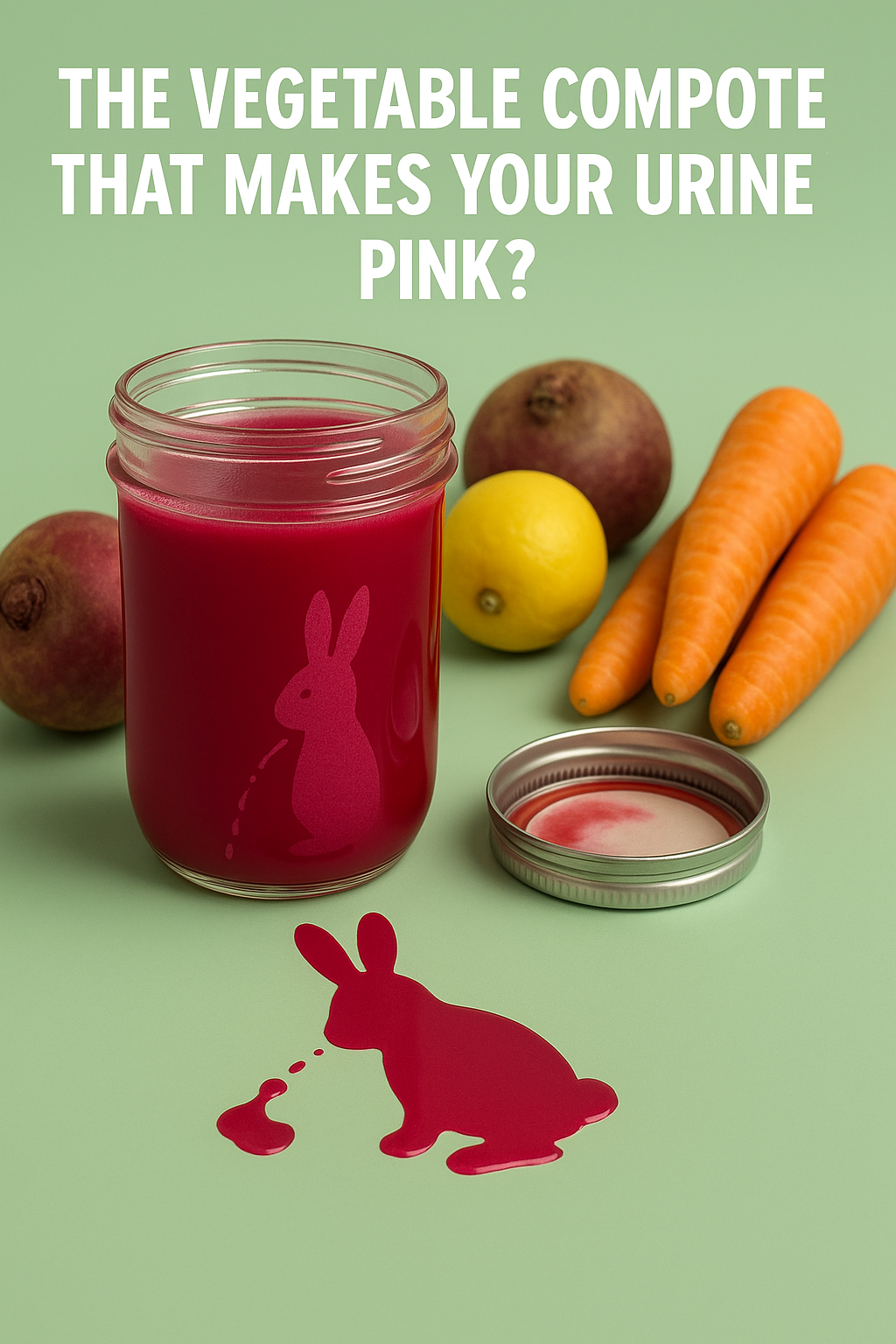
- Pink urine is normal. Beetroot pigments can temporarily color urine or stool red or pink. This is harmless and usually passes within a day or two.
- Watch the sugar. Dried fruit and honey make this drink naturally sweet. If you have diabetes or are watching your blood sugar, talk to your doctor or dietitian and consider reducing the honey and dried fruit.
- Kidney stones. Beetroot is high in oxalates. The same PolitiFact review noted that juice cleanses built around high-oxalate foods may be a concern for some people's kidneys. If you have a history of kidney stones, check with your doctor first; the National Kidney Foundation offers helpful guidance.
- Not for babies. Honey should never be given to children under 12 months, as the NHS explains in its guide to foods to avoid giving babies.
- Medications. If you take blood pressure medication or nitrate-based heart medication, ask your doctor before drinking beetroot juice regularly.
More Ideas for Your Autumn and Winter Routine
If you enjoy simple homemade drinks, you might also like these Foodwhisper recipes and guides:
- When your body fills up with toxins after picnics, it's soothed by a single glass: a recipe with lemon, grapefruit, and parsley
- 4 Ingredients, One Evening Glass: A Ginger, Cucumber, Parsley & Lemon Drink That Supports a Healthy Metabolism
- Warm Water with Turmeric Against Winter Troubles
- The Old Folk Trick of Green Tea with Milk: It Actually Works — But Only If You Make It Right
- Can What You Eat Really Change How Often You Get Sick? Here's What the Evidence Actually Shows
Information on this website is for educational purposes only and is not medical advice.
expert, nutritionist
 Would you like to be informed about news on the website?











|

