






Potato Peels: 4 Folk Remedies You Should Know About
expert, nutritionist
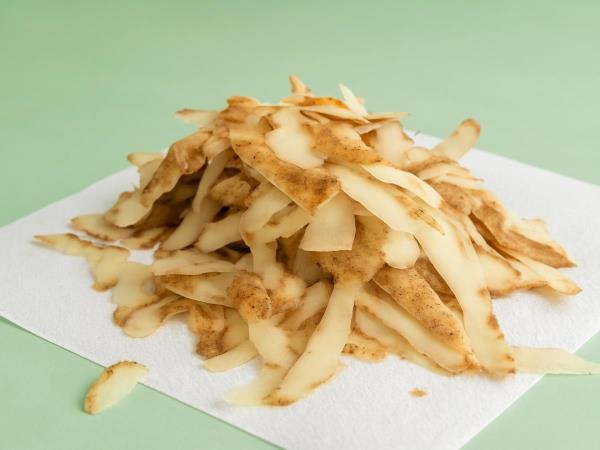
Every week, millions of kitchens around the world send pounds of potato peels straight to the trash. Yet for generations, grandmothers across Central and Eastern Europe kept them, boiled them, wrapped them in gauze and turned them into home remedies for everything from a tight chest to tired, swollen legs. Were they onto something? Partly, yes. Potato peels are far richer in nutrients than most people think, but they also deserve respect, because the wrong part of the potato can make you unwell.
Many of our older readers share a similar memory: as children, whenever a stubborn winter cough settled in, a warm potato-peel compress wrapped in a cotton cloth was placed on their chest before bed. They don't remember it as a miracle cure, but as something comforting, warm and caring, a ritual that made a long night of coughing easier to bear. That's exactly the spirit in which these remedies should be understood: as gentle, traditional support, not as a replacement for medical care.
Why potato peels are more than kitchen waste
The skin is where much of the potato's goodness is concentrated. A review titled "Potato peels: A source of nutritionally and pharmacologically interesting compounds" (Schieber & Saldaña, University of Alberta) describes peels as a source of polyphenols with antioxidant activity, as well as dietary fiber. A later review in Trends in Food Science & Technology reached similar conclusions, highlighting chlorogenic acid and other phenolic compounds found in the skin.
According to the Cleveland Clinic, a medium russet potato baked with its skin provides a meaningful share of daily potassium, vitamin C and vitamin B6, plus around four grams of fiber. If potatoes still have a bad reputation in your home, take a look at our article 7 healthy carbohydrates you can eat without worry, where the humble baked potato earns its place on the list.
An important safety note before you begin: potatoes naturally contain glycoalkaloids (mainly solanine and chaconine), which concentrate in the skin, in green patches and in sprouts. The European Food Safety Authority (EFSA) notes that high intake can cause nausea, vomiting and diarrhea. For any remedy you drink, use only firm, well-washed peels without green spots or sprouts, ideally from organically grown potatoes.
1. Hypertension (support for healthy blood pressure)
High blood pressure is a very common problem, and many people aren't even aware they have it. According to the World Health Organization, more than a billion adults worldwide live with hypertension, and a large share of them don't know it.
The traditional potato-peel drink is based on a simple idea: potatoes are rich in potassium, a mineral that helps the body balance sodium. The NIH Office of Dietary Supplements explains that diets rich in potassium are associated with healthier blood pressure levels. You can read more about this in our article Bananas and Potassium: A Myth That Needs to Be Broken Down, which shows that a baked potato actually beats a banana in potassium content.
How to prepare it the traditional way: If you've collected some potato peels, cover them with just enough water so that all the peels are submerged. Let them boil for 10 minutes. Then remove the pot from the heat and let it cool. Pour everything into a blender and mix well until you get a thick consistency. Strain this liquid and drink it 3 to 4 times a day before meals, no more than 3 to 4 tablespoons at a time.
Please note: this folk drink may be a pleasant addition to a balanced diet, but it is not a treatment for hypertension and should never replace prescribed medication. If you have kidney disease, or take medicines that affect potassium levels (such as some blood pressure medications or diuretics), talk to your doctor before trying it. If you prefer a different form, you might also enjoy our guide How to make potato juice?
2. Hemorrhoids
For this remedy you'll need a larger pot and a bigger amount of peels. Pour 3 to 5 liters of water over them. Place the pot on the stove and let the water boil for 10 minutes. Then pour the strained liquid into a sitz bath basin or a shallow bath.
The original folk recipe recommends sitting in water that is as hot as you can tolerate, but here we strongly recommend a gentler approach: let the water cool until it feels comfortably warm, never hot, and always test it with your hand first to avoid burns on sensitive skin. Sit in it for 10 to 15 minutes.
Warm sitz baths themselves are a well-known comfort measure: the Mayo Clinic lists soaking in a warm bath for 10 to 15 minutes, two or three times a day, among home steps that may ease discomfort. Whether the potato peels add anything extra has not been scientifically confirmed, so think of them as a traditional touch rather than the active ingredient. If you notice bleeding, severe pain, or symptoms that don't improve within a week, see a doctor.
3. Bronchitis and chest congestion
Cover a few pieces of potato peel with water and let them boil for 10 to 15 minutes. Then place the peels on gauze or a clean cotton cloth and use them as a compress on your chest. Tradition says it works best if the compress stays on overnight, or at least for a few hours.
The real comfort here most likely comes from gentle, lasting warmth, which many people find soothing when they're coughing and congested. Before applying, make sure the peels have cooled to a pleasantly warm temperature and never place them directly on bare skin while still hot.
The NHS recommends rest, plenty of fluids and seeing a doctor if a cough lasts longer than three weeks, if you have a high temperature, if you cough up blood, or if you have difficulty breathing. A warm compress can be a cozy addition, but these warning signs always come first. For more ideas on supporting your body through the colder months, see 7 types of vegetables that heal the body.
4. Warts
Folk medicine also uses potatoes against warts and skin tags. Actually, not exactly the peels, but the green parts of the potato, which we normally cut away because they contain higher levels of solanine and are not safe to eat. In traditional practice, however, these green parts are valued precisely for this reason, as they are believed to have antiviral, antibacterial, antiparasitic and antifungal properties. The method is simple: press a piece of green potato onto the wart or skin tag and leave it overnight.
It's worth being honest here: there are no solid clinical studies showing that raw potato removes warts. Many warts disappear on their own over months or years, which may explain why so many home remedies seem to "work." If you want to try it:
- use it only on small, typical warts on the hands or feet, never on the face, genitals or broken skin;
- wash your hands and the skin area afterwards;
- never eat green parts of potatoes, and keep them away from children and pets;
- stop if the skin becomes red, itchy or irritated.
The American Academy of Dermatology advises seeing a dermatologist if a growth changes color or shape, bleeds, spreads quickly or causes pain, because not every bump on the skin is a harmless wart.
Before you throw away your next peels
Potato peels won't replace your doctor, but they don't belong in the trash either. Well-washed, non-green peels can be baked into crispy snacks, added to soups and stocks, or used in the gentle traditional practices described above. If you'd like to learn how a few small habits can change the nutritional value of everyday foods, take a look at Foods We Use Incorrectly.
Have you ever tried a potato-peel remedy from your grandmother's kitchen? Share your experience with other readers in the comments.
Information on this website is for educational purposes only and is not medical advice.
expert, nutritionist
 Would you like to be informed about news on the website?















|

