






The Salad Secret Nutritionists Swear By: One Ingredient That Makes a Real Difference
expert, nutritionist
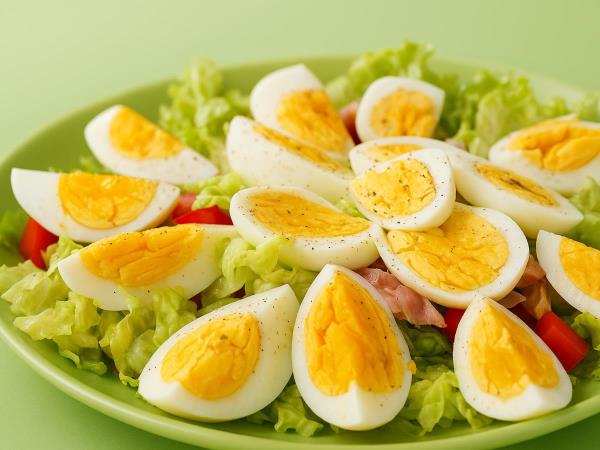
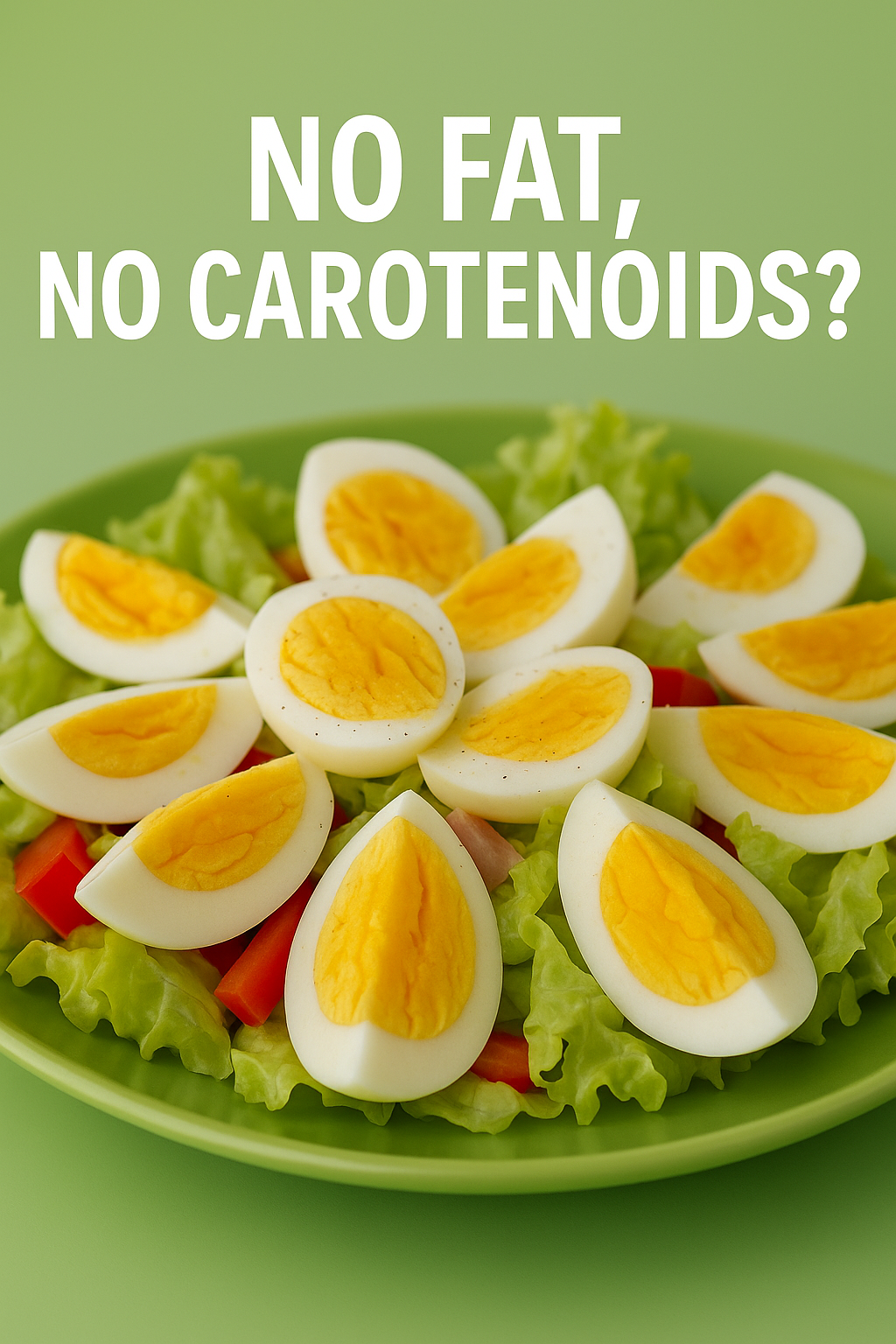
You can pile your bowl high with spinach, carrots and tomatoes and still get only part of what those vegetables have to offer. Many of their most valuable compounds are fat-soluble, and without a little fat in the same meal, a good share of them may simply pass through. The fix nutritionists keep coming back to is surprisingly simple, cheap and already sitting in your fridge: eggs.
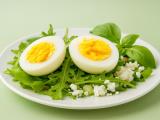
One of our readers, a keen home cook who had eaten a "virtuous" fat-free salad for lunch nearly every day for years, told us she started topping it with two sliced boiled eggs mainly to stay full until dinner. "I did it for the hunger, not the science," she wrote. "Then I read why it works, and now I feel like I was eating half a salad all those years." Her experience is a good illustration of what researchers have been finding: what you eat alongside your vegetables can matter almost as much as the vegetables themselves.
What the Purdue Study Found
The research came from Purdue University and was published in the American Journal of Clinical Nutrition under the title "Effects of egg consumption on carotenoid absorption from co-consumed, raw vegetables". The team was led by first author Jung Eun Kim and senior author Professor Wayne Campbell of Purdue's Department of Nutrition Science.
The design was straightforward. Sixteen participants ate the same raw mixed-vegetable salad on three separate occasions: once with no eggs, once with one and a half scrambled eggs (75 g) and once with three scrambled eggs (150 g). The researchers then measured the carotenoids in their blood over the following hours. Scrambled eggs were used so that participants ate both the yolk and the white.
The result: carotenoid absorption was about 3.8 times higher when the salad included three eggs compared with no eggs. The salad with one and a half eggs also showed an increase, though a smaller one.
Why the Yolk Makes the Difference
The secret of eggs lies in the fat of the egg yolk. The lipids in the yolk appear to improve the uptake of nutrients from the salad, particularly carotenoids such as beta-carotene, lycopene, lutein and zeaxanthin. Because these compounds dissolve in fat rather than water, they are more easily absorbed when fat is present in the same meal and can reach the bloodstream in larger amounts.
Carotenoids are the pigments that give tomatoes, carrots, peppers and leafy greens their vivid colours. They are part of the reason nutritionists encourage people to "eat the rainbow", and they are widely studied for their antioxidant properties as part of a balanced diet.
Professor Campbell also pointed out a practical advantage. Oil-based dressings help carotenoid absorption too, but many salad dressings contain around 140 to 160 calories per two-tablespoon serving, and it is easy to pour on far more than that. An egg comes in a known portion size, which makes it easier to keep a salad balanced. If you want to know which other everyday choices quietly add up, see our article Hello, and Fattening: Foods that Sabotage Your Diet.
Who Paid for the Research?
When the study appeared, many readers asked the obvious question: was it funded by egg producers? The honest answer is partly yes. According to NutraIngredients, the work was funded by the American Egg Board's Egg Nutrition Center, the National Institutes of Health and Purdue University. NPR noted that the Purdue scientists said they worked independently.
The basic principle is not controversial: fat-soluble nutrients are absorbed better with some fat in the meal. That is well established in nutrition science. Still, it is worth keeping in mind that this was a small study of 16 people. Its findings are interesting and plausible, but they are not the final word. Eggs are one tasty way to add that fat. A drizzle of good olive oil, a few slices of avocado or a handful of nuts can do a similar job.
Not All Eggs Are Equal
The way hens are raised can affect what ends up in the egg. A study from Penn State's College of Agricultural Sciences, published in Renewable Agriculture and Food Systems, found that eggs from pastured hens had about twice as much vitamin E and around 2.5 times more total omega-3 fatty acids than eggs from caged hens fed only commercial feed.
Many people judge an egg by its yolk, and a deep orange yolk often looks more appealing. Yolk colour mostly reflects the pigments in the hen's feed, such as fresh greens, corn or marigold extract. It can be a hint of a varied diet, but on its own it is not a reliable measure of overall nutritional value. If you have access to eggs from hens that roam outdoors, from a local farm or your own backyard, they are a great choice for this kind of salad.
How to Build the Perfect Egg-Boosted Salad
One more thing: egg fat pairs best with vegetables rich in carotenoids, namely tomatoes, carrots, spinach and leafy green lettuce. Finish the whole bowl with a splash of quality extra-virgin olive oil. A few practical tips:
- Go colourful: red tomatoes, orange carrots and peppers, and dark leafy greens bring the widest range of carotenoids.
- Keep the yolk: most of the fat, and much of the egg's nutrition, is in the yolk, so use whole eggs rather than whites only.
- Choose your style: sliced hard-boiled eggs, a soft-boiled egg with a runny yolk or warm scrambled eggs all work well.
- Don't drown it: with eggs on board, a light drizzle of olive oil is plenty, so there is no need for heavy dressings.
- Mind your portion: one or two eggs per serving fits comfortably into most balanced diets. If you have been advised to limit eggs, follow your doctor's or dietitian's guidance.
Food pairing is an often overlooked part of eating well, and plenty of everyday foods are prepared or combined in ways that waste some of their potential. For more examples, read Foods We Use Incorrectly.
So the next time you make a salad, don't stop at the greens. Crack an egg or two, add a splash of olive oil, and you may be getting more out of every colourful bite.
Information on this website is for educational purposes only and is not medical advice.
expert, nutritionist
 Would you like to be informed about news on the website?










|

