






You've Never Eaten Spaghetti Like This: Meatball Pasta Cups That Steal the Show
expert, nutritionist
You've Never Eaten Spaghetti Like This: Meatball Pasta Cups That Steal the Show
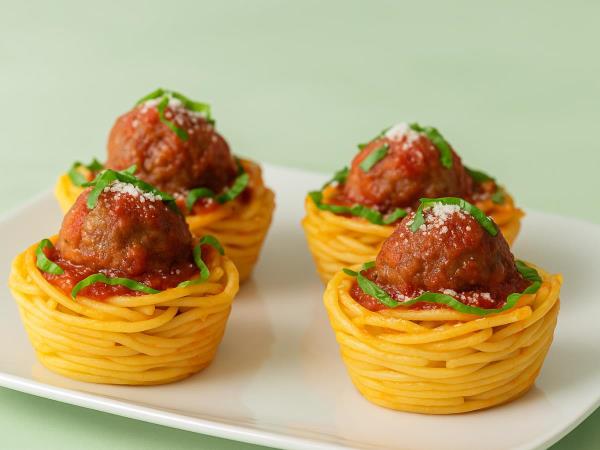
Classic spaghetti gets a whole new role: baked in a muffin tin with tomato sauce, cheese and a meatball tucked into every nest. The recipe is simple, the portions come out naturally tidy, and the result looks surprisingly elegant on any table.
Twelve crispy-edged golden nests, each hiding a juicy meatball under a blanket of melted cheese, ready in about half an hour and eaten straight from your hand. That's what happens when everyday spaghetti bolognese meets an ordinary muffin tin. Once you try it, a plain plate of pasta may start to feel a little ordinary.
A Love Affair with Spaghetti
Few people have spoken about pasta with as much affection as the Italian film legend Sophia Loren. Asked about the secret behind her famous figure, she reportedly quipped that "everything you see, I owe to spaghetti." Loren grew up in Pozzuoli near Naples, where pasta was everyday food. She often described it as part of a balanced, joyful way of eating rather than something to fear, and she even wrote a cookbook celebrating the dishes of her childhood.
Her attitude is a good starting point for this recipe. Pasta doesn't need to be banished from the menu. Sometimes it just needs a fresh idea, sensible portions and good company on the plate.
Pasta is among the most widespread and simplest of dishes, yet we rarely experiment with it. This time, we offer you a slightly different take on spaghetti bolognese. It's also a clever way to turn a classic into finger food for parties, lunchboxes or a playful family dinner.
Why Spaghetti Cups Work So Well
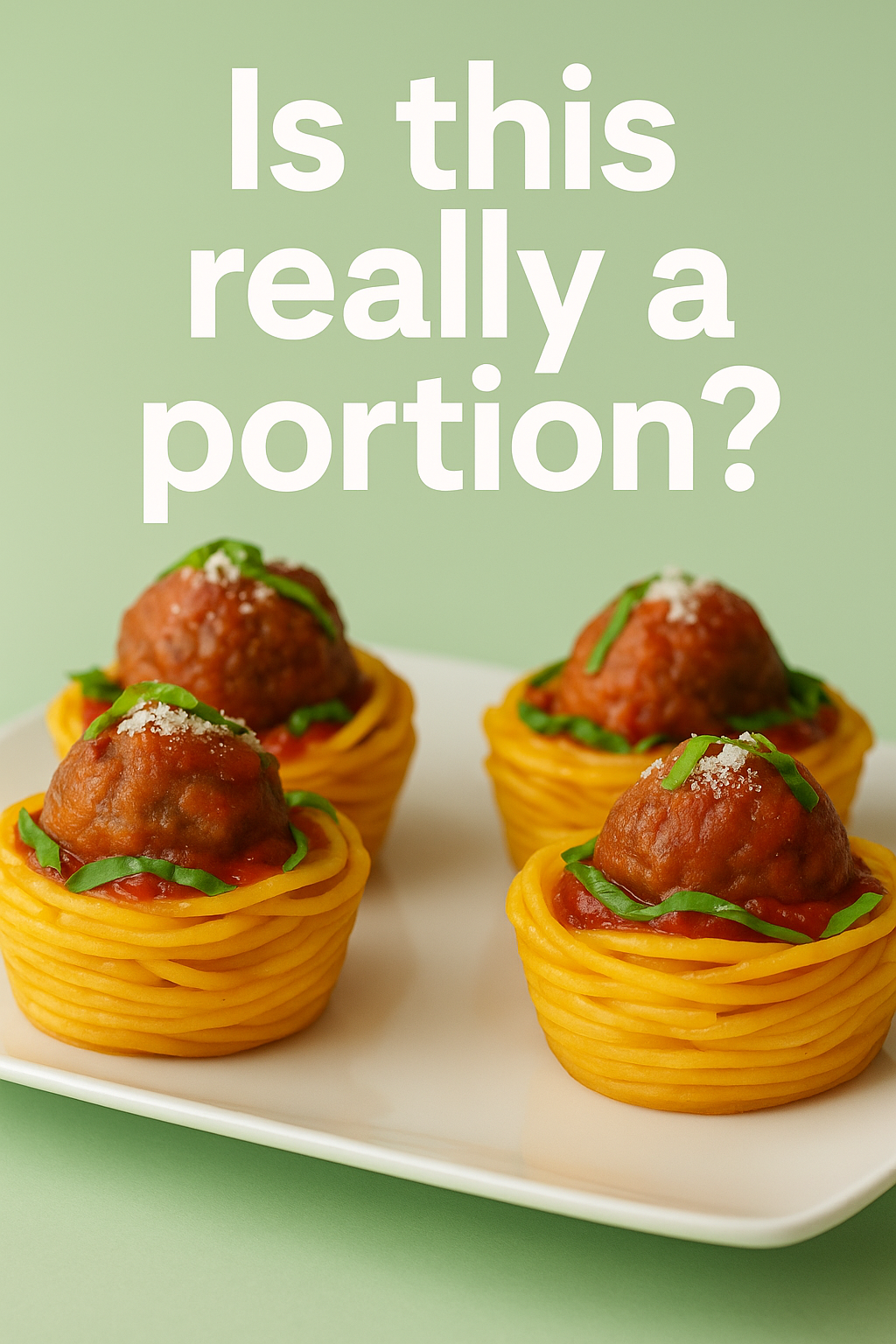
The muffin tin does more than make the dish look pretty. Each cup holds a defined amount of pasta, sauce and protein, so portions come out naturally controlled, which is one of the simplest ways to enjoy pasta mindfully. The edges that touch the buttered tin turn lightly crisp. The center stays tender and saucy. Children usually love food they can pick up, and adults appreciate that the whole thing can be prepared ahead.
Spaghetti and meatballs is itself a story of creativity. According to Smithsonian Magazine, the pairing is largely an Italian-American invention that took shape in the early 20th century, when immigrants adapted home recipes to the ingredients available in the United States. Baking it in cups is simply the next chapter.
Ingredients (makes 12 cups):
- 1/2 package of spaghetti (about 250 g / 9 oz)
- 2 tablespoons olive oil
- 50 grams (about 3.5 tablespoons) butter
- 1/2 cup grated cheese (we recommend Parmesan)
- 1/2 cup tomato sauce (we recommend a spicy one)
- 12 meatballs
Preparation:
[s2]
Step 1: Cook the spaghetti as usual. For the best texture, aim for al dente, slightly firm to the bite. The pasta will soften further in the oven. Encyclopaedia Britannica notes that Italians traditionally cook spaghetti this way, with a gentle chewiness.
[s3]
Step 2: Drizzle the pasta with olive oil and mix well. You can add pepper and other herbs for a fuller flavor. Dried oregano, basil, a pinch of chili flakes or a little garlic powder all work beautifully.
[s4]
Step 3: Sprinkle the cheese over the spaghetti and mix well again. The cheese acts as a delicious "glue" that helps the nests hold their shape. If you want extra stability, many cooks also stir in one lightly beaten egg.
[s5]
Step 4: Grease the muffin tin with butter, then fill the cups with spaghetti. A handy trick: twirl small portions around a fork, as if you were eating them, and slide each twirl into a cup. Then press the middle gently with a spoon to create a little well.
[s6]
Step 5: Place a teaspoon of tomato sauce in the center of each cup.
[s7]
Step 6: Place the meatballs in the cups. If you don't have ground meat, you can use pieces of chicken or fish. Even canned fish or tuna works. Vegetarians can use a hard-boiled egg (a quarter of an egg per cup).
[s8]
Step 7: Finally, sprinkle everything with grated cheese once more and bake for 20 minutes in an oven preheated to 180 degrees Celsius (350{-15696}F). Let the cups rest for 3 to 5 minutes before lifting them out with a small spatula. They will hold together much better.
Serve the dish with warm vegetables or with a meat sauce. You can watch the whole process in the video below.
A Nutritionist's Notes: Making Spaghetti Cups Part of a Balanced Plate
Pasta isn't the enemy. Research suggests pasta can fit into a balanced eating pattern. A systematic review and meta-analysis published in BMJ Open found that eating pasta as part of a low-glycemic-index diet was not associated with weight gain. The authors noted that more research is needed. Portion size and what you serve alongside the pasta matter much more than the pasta itself. If you'd like to learn which everyday foods are easy to get wrong, read our article Foods We Use Incorrectly.
Try whole-grain spaghetti. Swapping regular spaghetti for a whole-grain version adds fiber and a nuttier flavor. The Harvard T.H. Chan School of Public Health lists whole grains among the building blocks of a healthy diet. The nests hold together just as well.
Tomato sauce brings more than color. Tomatoes are a source of lycopene, a natural pigment. Interestingly, a study in the Journal of Agricultural and Food Chemistry found that heat processing increased the amount of available lycopene in tomatoes. Cooked sauce, drizzled with a little olive oil, is a tasty way to enjoy it.
Parmesan: a little goes a long way. Genuine Parmigiano Reggiano has a strong, savory flavor, so a small amount seasons the whole dish. According to the Parmigiano Reggiano Consortium, the long aging process also leaves the cheese naturally very low in lactose, which some people find helpful. Because cheese is salty, taste your tomato sauce before adding extra salt.
Choose your fish wisely. If you go for the tuna or canned fish variation, the U.S. Food and Drug Administration (FDA) offers practical advice on which fish are the best choices. This is especially useful for children and during pregnancy.
Balance the plate. Two or three cups with a generous side of roasted or steamed vegetables or a fresh green salad make a satisfying, well-rounded meal. Comfort food is meant to be enjoyed, but some combinations quietly work against your goals. Our article Hello, and Fattening: Foods that Sabotage Your Diet explains which ones to watch.
Food Safety Tip: Make Sure the Meatballs Are Fully Cooked
Twenty minutes in the oven is enough to heat precooked or store-bought meatballs. If you're using raw homemade meatballs, brown them in a pan first or extend the baking time. The USDA Food Safety and Inspection Service recommends cooking ground beef and pork to an internal temperature of 71{-15696}C (160{-15696}F), and ground poultry to 74{-15696}C (165{-15696}F). An inexpensive kitchen thermometer takes the guesswork out of it.
Clever Variations to Try
- Pesto cups: Replace the tomato sauce with basil pesto for a fresh, green version.
- Hidden veggies: Stir finely grated zucchini or carrot into the tomato sauce. Picky eaters rarely notice.
- Mozzarella surprise: Hide a small cube of mozzarella inside each meatball for a melting center.
- Lighter meatballs: Use lean turkey or chicken mince, or plant-based meatballs.
- Leftover magic: Already have cooked spaghetti from yesterday? It's perfect here, since cold pasta is easier to shape into nests.
Make Ahead and Storage
Picture a busy weeknight. You bake a double batch on Sunday, and by Wednesday dinner takes three minutes in the oven. Baked and cooled spaghetti cups keep in an airtight container in the fridge for up to 3 days. Cool and refrigerate them within two hours of baking. To reheat, warm them in the oven at 180{-15696}C (350{-15696}F) for about 10 minutes so the edges crisp up again, or use the microwave if you're in a hurry. They also freeze well for up to two months.
Final Thoughts
Spaghetti cups prove that you don't need new ingredients to create something new. All you need is a different way of looking at the ones you already have. They are fun, practical, easy to portion and pretty enough for guests. As Sophia Loren would surely agree, there's always room for a little more spaghetti in life.
Information on this website is for educational purposes only and is not medical advice.
expert, nutritionist
 Would you like to be informed about news on the website?












|

