





Waking Up Drenched in Sweat? Your Body May Be Telling You More Than You Think
expert, nutritionist
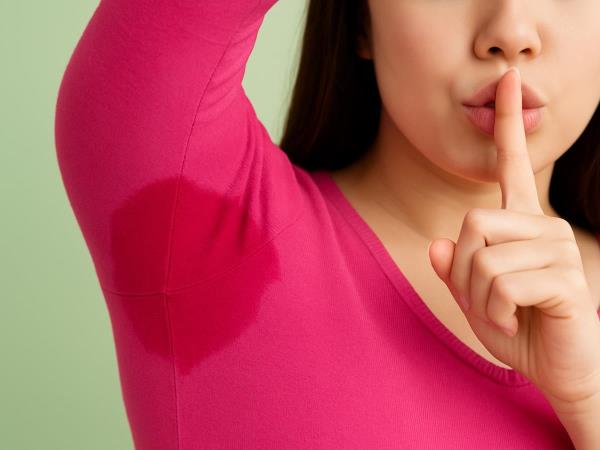
Soaked pillow. Damp sheets. Pajamas clinging to your back at 4 a.m. If that sounds familiar, you are far from alone. In one primary care survey, 28% of adult patients reported night sweats, and many of them had never mentioned it to their doctor. Most of the time the cause is simple. Sometimes, though, your body is quietly trying to get your attention.
When a Hollywood Star Ignored the Signal
Actress Naomi Watts is a good example of how easy it is to brush night sweats aside. In her late twenties and thirties she experienced night sweats, migraines, brain fog and broken sleep, and, as she later explained on Dr. Mary Claire Haver's unPaused podcast, she put them down to allergies or stress. Only at 36 did a doctor tell her she was entering perimenopause, more than a decade earlier than average. She told Katie Couric that her night sweats were one of the first clues that her hormones were shifting. She has since spoken openly to Business Insider about how poor sleep affected her mood and wellbeing. Her message is simple: pay attention to what your body is doing, and don't be afraid to ask questions.
First Suspects: The Bedroom, the Weather and Your Dinner
You have probably woken up sweaty at some point. Some nights it is a little, other nights a lot. When you mention it, people will usually ask about your bedroom first: How heavy is the duvet? Are the sheets synthetic? Where do you charge your phone? Some will blame the weather. Few will think of what you ate the day before, even though that is often part of the answer.
Start with the obvious. The Sleep Foundation suggests keeping the bedroom fairly cool, around 18 {-15696}C (65 {-15696}F), for most adults. Breathable cotton or linen bedding helps too, because synthetic pajamas and sheets can trap heat and encourage sweating.
From a nutrition point of view, the evening plate matters more than many people realize:
- Spicy food: Chili and other hot spices raise your internal temperature, and eating them close to bedtime can trigger sweating at night.
- Alcohol: A nightcap widens the blood vessels in the skin, which can leave you warmer and sweatier a few hours later.
- Caffeine: Coffee, strong tea, cola and energy drinks in the afternoon or evening can stimulate the sweat glands and disturb sleep.
- Heavy, late meals: Digesting a large dinner keeps your body working when it should be winding down.
- Blood sugar dips: Low blood sugar during the night, especially in people who use insulin or certain diabetes medications, is a recognized cause of night sweats.
Sleep quality also plays a role. Short, broken nights affect hormones, appetite and weight, as we explained in When you sleep too little, your belly grows.
When Night Sweats May Point to Something More
The causes can sometimes be more specific. Health organizations such as the NHS, the Mayo Clinic and the Cleveland Clinic list a range of possible contributors:
- Hormonal changes: perimenopause and menopause are among the most common reasons for night sweats in women, as Naomi Watts discovered.
- Thyroid: an overactive thyroid speeds up metabolism and can make you feel hot and sweaty. According to the American Thyroid Association, it usually comes with other signs such as a racing heart, weight loss or feeling jittery.
- Medications: certain antidepressants, hormone therapies and diabetes medicines list sweating as a side effect.
- Stress and anxiety: ongoing tension releases stress hormones that can keep you sweating at night too. Diet may play a part in mood as well, as we discussed in Does French fries really increase the risk of anxiety and depression?
- Sleep disorders: research from the University of Oklahoma found night sweats associated with various sleep problems such as frequent waking and restless legs.
- Infections and inflammatory or autoimmune conditions: conditions such as rheumatoid arthritis, which affects the joints, are on the list, though much less common.
- Heart and nervous system conditions: these are rarer causes, but they are among the reasons doctors take persistent night sweats seriously.
- Excessive sweating with no clear cause: known as idiopathic hyperhidrosis. The International Hyperhidrosis Society offers helpful information on this condition.
There is also good news. A systematic review published in the Journal of the American Board of Family Medicine found that night sweats on their own are a very nonspecific symptom, and that life expectancy of primary care patients who reported them did not appear to be reduced. In other words, sweating at night is far more often a nuisance than a warning.
Watch the Pattern, Not Just One Night
Pay attention to these signals, and especially to whether the sweating repeats several nights in a row. A single sweaty night after a hot day or a festive dinner means little. A pattern that lasts for weeks deserves attention.
Sweating alone is not usually a reason to rush to the doctor, but it can be a useful clue. The NHS advises seeing a doctor if night sweats happen regularly and disturb your sleep, or if they come with:
- fever or chills,
- unexplained weight loss,
- a persistent cough or swollen glands,
- or simply a feeling that something is not right.
A simple sleep diary can help a lot: note the room temperature, what you ate and drank in the evening, any medications, and how much you sweated. Many readers tell us this was the moment they spotted the connection themselves. One reader noticed her sweating only appeared on nights when she had a curry and a glass of red wine. Another realized it started shortly after he began a new medication, and his doctor was able to adjust it.
The Gentlest First Step: A 30-Minute Walk in Nature
The mildest and simplest thing you can try is a 30-minute walk in nature. Regular movement supports better sleep and helps the body manage stress, and the World Health Organization recommends at least 150 minutes of moderate activity a week for adults. A study published in Frontiers in Psychology found that spending around 20 to 30 minutes in a natural setting was linked to lower levels of the stress hormone cortisol.
Pair the walk with a lighter, less spicy dinner a few hours before bed, cut back on evening alcohol and caffeine, and keep your bedroom cool. Small daily choices add up, and some foods are better left aside anyway, as you can read in 5 Foods That Shorten Your Lifespan.
Give it a try and watch how your body responds. If the night sweats don't ease, or other symptoms appear, have a chat with your doctor. Sometimes the answer is as simple as a lighter duvet, and sometimes it is a valuable early clue.
Information on this website is for educational purposes only and is not medical advice.
expert, nutritionist
 Would you like to be informed about news on the website?













|

