




Cornmeal for Cold Sores: An Old Grandma's Trick You May Not Have Tried Yet
expert, nutritionist
That familiar tingle on your lip usually arrives at the worst possible moment: right before a wedding, a job interview or a long-awaited holiday. Within a day or two, a small cluster of painful blisters appears, and suddenly you are counting the hours until it is gone. Before you head to the pharmacy, take a look in your pantry. Generations of grandmothers have reached for one humble ingredient to calm things down: plain corn flour.
Cold sores do not spare anyone, not even professional athletes. WNBA star Sophie Cunningham joked about a cold sore on her podcast, which sparked a lively online discussion. She later explained that it was an ordinary cold sore and that weather changes, dry lips and shared items such as lip balm tend to trigger them for her. Her candor reminded millions of fans of something doctors have long said: cold sores are extremely common and nothing to be ashamed of.
There are several ways to deal with a cold sore, and we have written before about natural ways to support your body through the winter, for example in Warm Water with Turmeric Against Winter Troubles. This time we are adding one more method, which is interesting because of its "side" effects. In this case, those effects are very welcome.
We are talking about corn flour, although fine cornmeal (corn semolina) can be used as well.
What exactly is a cold sore?
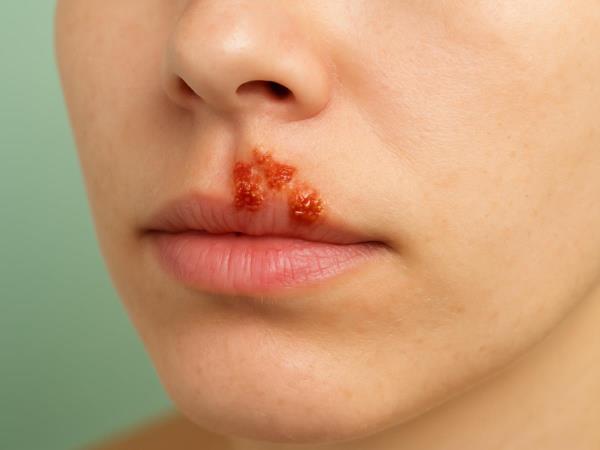
Herpes labialis is the medical name for cold sores, also called fever blisters. These small, fluid-filled blisters usually appear on or around the lips and are caused by the herpes simplex virus, most often type 1 (HSV-1). The "fever blister" nickname comes from the fact that outbreaks often follow a fever, a cold or the flu. According to the World Health Organization, HSV-1 is one of the most widespread infections in the world and is carried by the majority of people under 50, many of whom never notice any symptoms.
A cold sore is not only a cosmetic problem. It is also contagious and, above all, it can be painful. The American Dental Association explains that once a person is infected, the virus stays in the body and can cause occasional flare-ups. Common triggers, according to the Mayo Clinic, include:
- colds, flu and fever
- stress and fatigue
- strong sunlight, wind and cold weather
- hormonal changes
- dry or chapped lips and small injuries to the skin
Why corn flour?
Corn flour has several qualities that make it a popular home remedy. People who use it say a thick corn paste helps the blister dry out faster, feels soothing on irritated skin and makes the sore less noticeable. In folk tradition, it is also believed to help "neutralize" the skin's pH around the blister and so keep the problem from spreading. These are traditional beliefs, not proven effects: there are currently no clinical studies on corn flour and cold sores. What we do know is that fine starches such as cornstarch have long been used on the skin for their drying and calming properties, which may explain why many people find the paste pleasant during an outbreak.
As a nutritionist, I would describe corn paste as a gentle comfort measure, not a cure. It may make the waiting period a little more bearable, but it does not act on the virus itself.
How to use corn flour
You will need 1 tablespoon of corn flour. Mix it with a little water until you get a thick paste, then dab it onto the affected area several times a day.
A few practical tips will make the method more hygienic and comfortable:
- Make a fresh paste every time. Never dip back into the same bowl after touching the sore.
- Apply it with a clean cotton swab rather than your fingers, and use each swab only once.
- Let the paste dry on the skin for about 10–15 minutes, then rinse gently with lukewarm water and pat dry with a clean tissue.
- Wash your hands before and after each application.
- Stop using it if the area becomes more red, itchy or irritated.
What does the science say about other home remedies?
If you like natural approaches, it is worth knowing which ones have at least some research behind them. A Medical News Today overview mentions a 2023 review suggesting that lemon balm, lysine, vitamin E, zinc and propolis may show some promise in managing cold sores. It also stresses that much of the evidence for home remedies is still limited.
- Lemon balm (Melissa officinalis): According to EBSCO Research Starters, lemon balm creams are widely sold in Europe for this purpose and have been tested in a double-blind, placebo-controlled study.
- Honey: A randomized trial published in BMJ Open compared a medical-grade kanuka honey product with aciclovir cream and found similar healing times.
- Lysine: Dietitian Angela Berrill writes for Healthy Food that the evidence for lysine supplements or ointments is limited. She advises anyone who wants to adjust their diet because of recurring cold sores to talk to a dietitian first.
- Cold compress: A clean, cool compress is a simple way to ease swelling and discomfort.
Corn on your plate
In some folk traditions, corn is considered a "cooling" food that helps lower heat in the body, including on the lips. That is why grandmothers often recommended eating it as a precaution. There is no scientific evidence that eating corn prevents cold sores. Still, whole corn and wholegrain cornmeal can be a valuable part of a balanced diet, because they contribute fiber, B vitamins and minerals such as magnesium.
From a nutritional point of view, the best "prevention menu" is simply a varied diet that supports your overall well-being. That means plenty of vegetables and fruit, quality protein, enough sleep and good stress management, since stress and exhaustion are among the most common triggers.
Readers' experiences
One of our readers, a teacher who gets cold sores almost every winter, told us she first tried the corn paste "out of desperation" the evening before a school event. "It did not work miracles," she admits, "but the blister felt less tight, dried out faster and was much easier to cover the next day." Another reader said the paste mostly helped her stop touching the sore, "because once it is covered, you simply leave it alone." Experiences differ from person to person, and that is exactly how we recommend approaching home remedies: as gentle support, not a replacement for treatment.
When to see a doctor or pharmacist
Most cold sores heal on their own within one to two weeks. The NHS advises seeking medical advice if:
- the sore has not started to heal after 10 days
- it is very large or painful, or you have a high temperature
- you get cold sores very often
- you are pregnant, have a weakened immune system, or the sore is near your eyes
- a baby or young child has cold sores
Pharmacists can recommend antiviral creams, which work best when applied at the very first tingle, and a doctor can prescribe antiviral tablets if outbreaks are frequent or severe. Until the blisters have fully crusted over, avoid kissing, do not share cups, towels or lip balms, and keep babies away from the sore.
The bottom line
Corn flour paste is a cheap, simple remedy that has been passed down through generations. Many people find it soothing and helpful for drying out a cold sore. It is not a medical treatment, and it will not make the virus disappear. Use it with good hygiene and realistic expectations, and do not hesitate to ask a pharmacist or doctor for help when a cold sore lingers or keeps coming back.
Information on this website is for educational purposes only and is not medical advice.
expert, nutritionist
 Would you like to be informed about news on the website?















|

