





Three Is Enough: Peanut Butter Cookies That Will Surprise You
expert, nutritionist
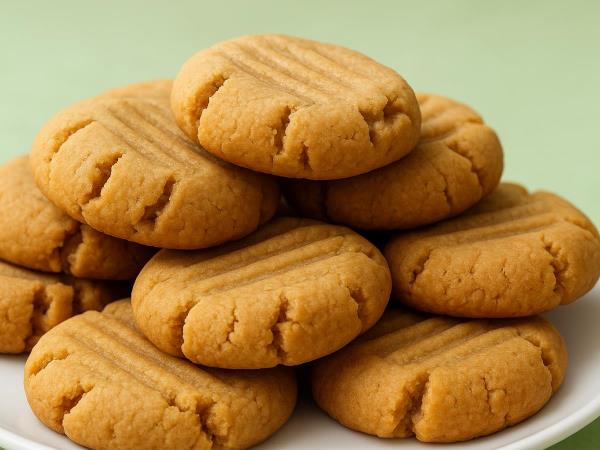
No flour, no butter, no mixer, and no waiting for dough to chill. Most people who taste these cookies for the first time refuse to believe there are only three ingredients inside. Yet that is the whole secret: sugar, one egg and a generous scoop of peanut butter. From the moment you open the jar to the moment you take the cookies out of the oven, about a quarter of an hour goes by.
A Scientist Who Baked With Peanuts More Than 100 Years Ago
The peanut butter cookie has a famous godfather. The American agricultural scientist and educator George Washington Carver worked at Alabama's Tuskegee Institute and became the best-known promoter of the peanut, as reported in the history of the peanut butter cookie. Southern farmers were losing their cotton crops to the boll weevil, and Carver encouraged them to plant peanuts instead. To show that the humble legume could feed a family, he and his students tested recipe after recipe. In his 1916 bulletin How to Grow the Peanut and 105 Ways of Preparing It for Human Consumption he included three peanut butter cookie recipes, according to Tasting Table. His version had no fork marks. The dough was simply dropped from a spoon and baked.
The famous crisscross pattern came later. In 1932 a recipe in the Schenectady Gazette told bakers to press each ball with a fork in two directions, so the tops looked like little waffles. A year later Pillsbury included the tip in its cookbook Balanced Recipes, and the pattern spread to kitchens across America. Today we know that the fork does more than decorate. Peanut butter dough is dense, and flattening it helps every cookie bake evenly.
Why Only Three Ingredients Work
Did you know that you can make wonderful cookies from just three ingredients, and that they will charm you with both their flavor and how easy they are to prepare? You need only 3 ingredients, and they bake in 10 minutes. Including preparation, you will not spend more than a quarter of an hour.
The trick lies in the peanut butter itself. It already contains fat, protein and a little natural starch, so it does the work that butter and flour normally share. The sugar sweetens the cookies and gives them crisp edges. The egg binds everything together so the cookies hold their shape in the oven.
Ingredients:
- 200 grams of sugar
- 1 egg
- 300 grams of peanut butter
Preparation:
In a bowl, mix all three ingredients until you get a smooth, uniform mixture. Then use your hands to shape small balls, place them on a baking tray lined with parchment paper, and flatten the balls with a fork. Bake for 10 minutes at 190 degrees Celsius.
You can watch the entire process of making these crumbly cookies in the video below.
Tips for Perfect Results Every Time
- Choose the right peanut butter. Classic, well-stirred creamy peanut butter gives the most reliable results. "Natural" peanut butter separates and is often oilier, so stir it thoroughly. If the dough feels too soft, chill it for 15 minutes before shaping.
- Dip the fork in water or sugar. This stops the dough from sticking and gives you clean, sharp crisscross lines.
- Do not overbake. The cookies will look soft when you take them out of the oven. Leave them on the tray for five to ten minutes, because they firm up as they cool.
- Experiment with texture. Crunchy peanut butter adds small pieces of peanut. A pinch of flaky salt on top balances the sweetness nicely.
- Adjust the sweetness. Many home bakers find that 150 grams of sugar is enough, especially when the peanut butter is already sweetened. Brown sugar gives a softer, slightly caramel-like cookie.
Naturally Free of Gluten, With One Important Note
Because the recipe contains no wheat flour, these cookies are naturally made without gluten-containing ingredients. That makes them a popular choice when baking for friends who avoid gluten. Anyone with celiac disease, however, should read labels carefully. Some peanut butters and sugars are processed in facilities that also handle wheat, and crumbs from shared trays or bowls can be enough to cause trouble. The Celiac Disease Foundation recommends choosing products labeled gluten-free and using clean equipment when baking for someone with celiac disease.
Equally important: peanuts are one of the most common food allergens. If you bring these cookies to school, a party or the office, label them clearly. You can find more information about peanut allergy at Food Allergy Research & Education (FARE).
A Nutritionist's View: Peanuts Have a Lot to Offer
Peanuts are technically legumes, related to peas and beans, but nutritionally they behave much like tree nuts. Victoria Taylor, a senior dietitian at the British Heart Foundation, explains that peanuts are rich in mostly monounsaturated fats, the same type found in olive oil, and also provide fiber, protein and a range of vitamins and minerals. Vasanti Malik of the Harvard T.H. Chan School of Public Health has noted that peanuts are often unfairly seen as less healthy than almonds or walnuts. She suggests choosing peanut butter without hydrogenated oils. You can read more about nuts in a balanced diet in The Nutrition Source by Harvard.
Large observational research has also explored this topic. A study of more than 100,000 participants published in the New England Journal of Medicine found that people who regularly ate nuts tended to have more favorable long-term health outcomes. Observational studies like this cannot prove cause and effect, and they concern plain nuts, not cookies.
Enjoy Them, but Keep It Balanced
Let's be honest: these are still cookies. One batch contains a good amount of sugar, and peanut butter is rich in calories. If you make about 30 small cookies from this recipe, each one will provide roughly 85 to 95 kilocalories. The World Health Organization advises keeping free sugars below 10 percent of daily energy intake. The American Heart Association also suggests limiting added sugars. Two cookies with a glass of milk or a cup of tea make a lovely treat. Half the tray in one evening is another story. If you want to know which everyday foods most often get in the way of good intentions, read our article Hello, and Fattening: Foods that Sabotage Your Diet.
Storage and Variations
The cookies keep well in an airtight container at room temperature for up to five days. Frozen, they last about two months. You can also freeze the unbaked balls and bake them straight from the freezer, adding a minute or two to the baking time. Once you master the basic version, try pressing a piece of dark chocolate into the center of each cookie, adding a pinch of cinnamon, or replacing part of the peanut butter with almond butter.
Carver tested his peanut recipes more than a century ago. Today his humble peanut still proves that a good cookie needs only a few ingredients and very little time. Three really are enough.
Information on this website is for educational purposes only and is not medical advice.
expert, nutritionist
 Would you like to be informed about news on the website?














|

