





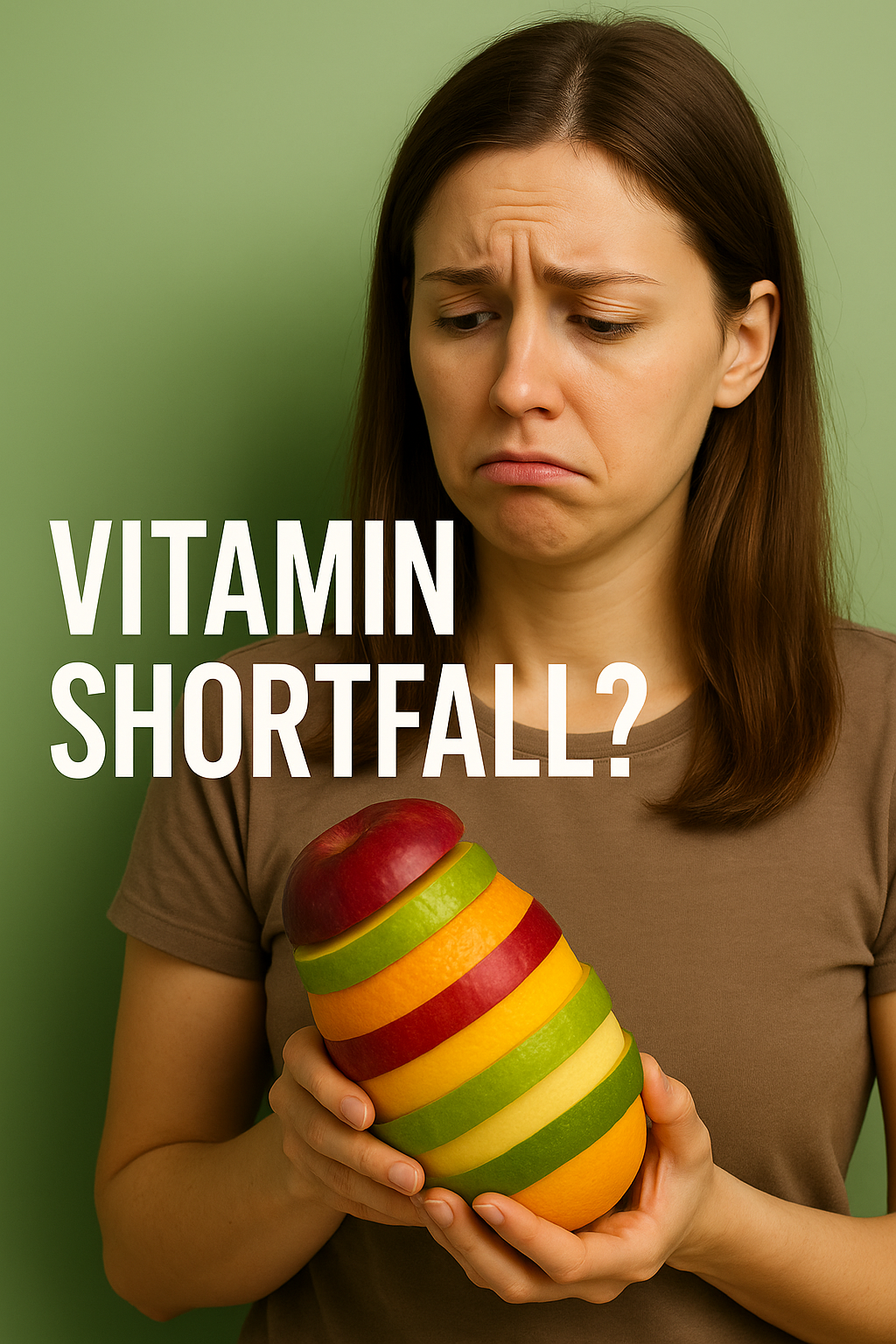


Your Body Is Talking – Are You Listening? 7 Signs That May Point to a Vitamin Shortfall
expert, nutritionist
You sleep eight hours, drink your morning coffee and still feel like you are running on an empty battery. Your hair has lost its shine, your hands are always cold and you catch every cold going round the office. Before you blame age, stress or the weather, consider this: health organisations estimate that billions of people worldwide do not get enough of at least one vitamin or mineral. The World Health Organization calls this "hidden hunger", because you can eat plenty of food and still miss out on what your body really needs.
Even people with personal chefs and trainers are not immune. Actress Gwyneth Paltrow revealed on her lifestyle site Goop that, after a serious leg fracture, her doctors ordered a bone scan and tested her vitamin D. The result surprised everyone: her levels were, in her words, the lowest her doctors had ever seen. She was put on a prescription-strength vitamin D supplement and, somewhat to her surprise, advised to spend a little time in the sun. Her story, reported by ABC News and discussed by NPR, is a good reminder that a vitamin shortfall can go unnoticed for a long time, even in someone who seems to do everything "right".
It is a story nutritionists hear often in quieter versions: a busy parent who thought the constant fatigue was "just life", a student whose cracked lips and tired eyes improved once breakfast stopped being a pastry and a coffee, an office worker who finally connected endless winter colds with a diet that contained almost no fresh fruit or vegetables. The body rarely shouts at first. It whispers.
Before you read on: an important note
The signs below are common and non-specific. Tiredness, low mood or pale skin can have dozens of causes, and only a doctor and a simple blood test can tell you what is really going on. Use this list as a gentle prompt to look at your plate, not as a self-diagnosis tool. The NHS and the U.S. National Institutes of Health Office of Dietary Supplements both stress that most healthy people can get the vitamins they need from a varied, balanced diet.
7 signals worth paying attention to
1. If your hands and feet often feel cold, your heart sometimes seems to race, your memory feels weaker and you are constantly tired, this may be one of the signs of low vitamin B1 (thiamine). Thiamine helps your body turn carbohydrates into energy and supports the normal function of nerves and the heart. According to the NIH thiamine fact sheet, people who drink a lot of alcohol, people with diabetes and older adults are more likely to fall short.
What to eat: corn, rice (preferably brown or wholegrain), beans, spinach and carrots all contribute. Even richer sources are wholegrain bread, oats, lentils, sunflower seeds, lean pork and trout. Thiamine is sensitive to heat and dissolves in water, so steam vegetables briefly rather than boiling them for a long time. If you want to know which other everyday foods lose their value through the wrong preparation, read Foods We Use Incorrectly.
2. Do your eyes feel tired and does it seem that you see worse, especially in dim light or at dusk? Popular wisdom often links this to vitamin D, which the body produces when the skin is exposed to sunlight and ultraviolet rays. Nutrition science, however, points first to vitamin A, which is essential for night vision and for keeping the surface of the eye moist, as the NIH vitamin A fact sheet explains. Vitamin D still matters a great deal for bones, muscles and the immune system, and researchers are exploring its possible role in dry eyes as well.
What to eat: plant or fish oil (cod liver oil contains both vitamin A and D), flounder, mackerel and egg yolk. For vitamin A, add carrots, sweet potatoes, pumpkin, kale and spinach. Both vitamins are fat-soluble, so a drizzle of olive oil on your vegetables helps your body absorb them – more about smart food pairings in Foods That Improve Nutrient Absorption. And don't forget sunshine: Harvard Health notes that people living far from the equator often cannot make enough vitamin D from the sun outside the summer months, which is why many doctors check levels in winter. See also the NIH vitamin D fact sheet.
3. Do you feel down, sleepy, pessimistic, as if everything is slipping through your fingers? Among many possible causes, these feelings can sometimes be associated with low niacin (vitamin B3) and, much more rarely, pantothenic acid (vitamin B5). Both help the body release energy from food and support the nervous system (NIH niacin fact sheet, NIH pantothenic acid fact sheet). A real deficiency is uncommon in people who eat a varied diet, so if low mood lasts for more than a couple of weeks, please talk to your doctor – food can support you, but it is not a replacement for proper care.
What to eat: peas, beef, liver and red beans are good choices. Chicken, tuna, peanuts, mushrooms and avocado are also rich in these B vitamins.
4. Is your skin pale, slightly yellowish, do you feel weak, or is your tongue sore and red? These can be signs of low folate, also known as vitamin B9. Folate is needed to make healthy red blood cells, and a long-term shortfall can lead to a type of anaemia that leaves the skin pale and energy low. Because folate also supports the fast-renewing cells lining the digestive tract, some people notice digestive discomfort as well. If your gums bleed easily, that is more often linked with low vitamin C (see point 7) or simply with gum health, so mention it to your dentist. Folate is especially important before and during pregnancy, as the NIH folate fact sheet explains.
What to eat: cauliflower, parsley, broccoli, and sauerkraut or fresh cabbage. Spinach, lentils, chickpeas and asparagus are also excellent sources. Folate is absorbed better when vitamin C is present, so a squeeze of lemon over your greens is a small but clever habit.
5. Are your hair ends splitting, is your hair dull and lacking bounce, do you have a lot of dandruff, dry skin, feel drowsy or sometimes dizzy? These signs can be linked to low vitamin B6. According to the NIH vitamin B6 fact sheet, a shortfall may show up as a scaly, itchy rash, cracked corners of the mouth, a sore tongue, low mood and, in some cases, anaemia, which can make you feel tired and light-headed. Dull, brittle hair, however, often has more than one cause – iron, protein, zinc and biotin all play a part.
What to eat: rice, peas and beans, plus chickpeas, salmon, chicken, potatoes and bananas, which are among the best everyday sources of vitamin B6.
6. Do your legs often ache, do your joints swell or are varicose veins becoming more visible? Folk advice often blames a lack of "riboflavonoids", but this mixes up two different things. Riboflavin (vitamin B2) is a B vitamin; a shortage usually shows up as cracked lips, cracks at the corners of the mouth, a sore throat and a swollen tongue (NIH riboflavin fact sheet). Flavonoids, on the other hand, are natural plant compounds found in colourful fruit and vegetables, and they are being studied for their role in supporting healthy blood vessels. Persistent leg pain, swelling or worsening veins deserve a visit to your doctor, as they can be related to circulation.
What to eat: for flavonoids, enjoy more beetroot, cranberries, pomegranates, plums, strawberries and carrots. For vitamin B2, add milk, yoghurt, eggs, almonds and mushrooms. Keep milk in opaque containers – riboflavin breaks down in light.
7. Does it seem that you catch one illness after another – colds, sore throats – that you sleep badly and wake up with a heavy head? Then reach for foods rich in ascorbic acid, better known as vitamin C. Vitamin C supports the normal function of the immune system and helps the body absorb iron (NIH vitamin C fact sheet). Be realistic about expectations, though: a large Cochrane review of vitamin C and the common cold found that regular intake did not prevent colds in the general population, but it was associated with slightly shorter colds. Good sleep matters just as much – see what happens to your body when it does not get enough rest in When you sleep too little, your belly grows.
What to eat: plenty of sauerkraut, blackcurrants, cranberries, rose hips, peppers and citrus fruits. Sauerkraut has an impressive history here: 18th-century sailors took barrels of it on long voyages because it kept its vitamin C for months. For a warming winter ritual, try the recipe in Warm Water with Turmeric Against Winter Troubles.
A colourful plate beats guesswork
As a nutritionist, I always remind readers of one thing: vitamins work as a team. A plate with wholegrains, legumes, colourful vegetables, a little fruit, healthy fats and a modest portion of fish, eggs, dairy or lean meat covers most of the needs described above at once. Supplements can be very helpful when a doctor confirms a deficiency – as in Gwyneth Paltrow's case – but taking high doses "just in case" is not a good idea, because some vitamins, especially A and D, can build up in the body.
When should you see a doctor?
- If tiredness, low mood or weakness last longer than two to three weeks.
- If you notice numbness, tingling, unexplained bruising, bleeding or swelling.
- If you are pregnant or planning a pregnancy, follow a vegan diet, are over 65 or take long-term medication – these groups are more likely to need a check of their vitamin levels.
Frequently asked questions
Can I tell which vitamin I am missing just from my symptoms?
Not reliably. Many signs overlap between different vitamins and minerals, and some have nothing to do with nutrition at all. A blood test ordered by your doctor is the only way to know for sure.
Is it better to get vitamins from food or from supplements?
For most healthy people, food comes first. Whole foods provide vitamins together with fibre, minerals and protective plant compounds. Supplements are useful when a deficiency is confirmed or when a doctor recommends them, for example vitamin D in winter or folic acid before pregnancy.
Which vitamin are people most often short of?
In countries with long, grey winters, vitamin D is one of the most common shortfalls, because the skin produces little of it when sunlight is weak. Vitamin B12 is another frequent one, especially among older adults and people who eat no animal products.
Information on this website is for educational purposes only and is not medical advice.
expert, nutritionist
 Would you like to be informed about news on the website?















|

