




The Mushroom the Chinese Have Revered for Thousands of Years: What Did Scientists Find When They Took a Closer Look?
expert, nutritionist
The Mushroom the Chinese Have Revered for Thousands of Years: What Did Scientists Find When They Took a Closer Look?
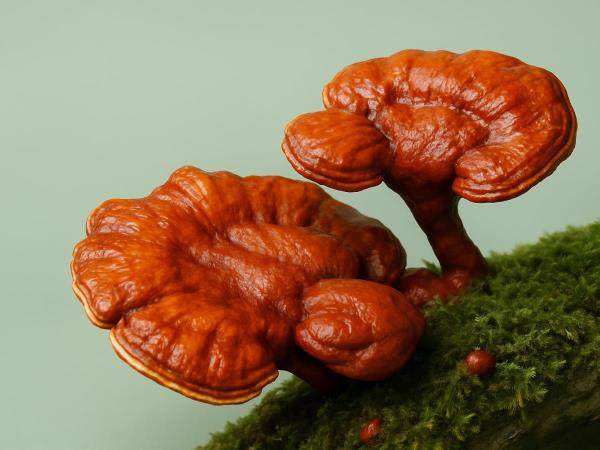
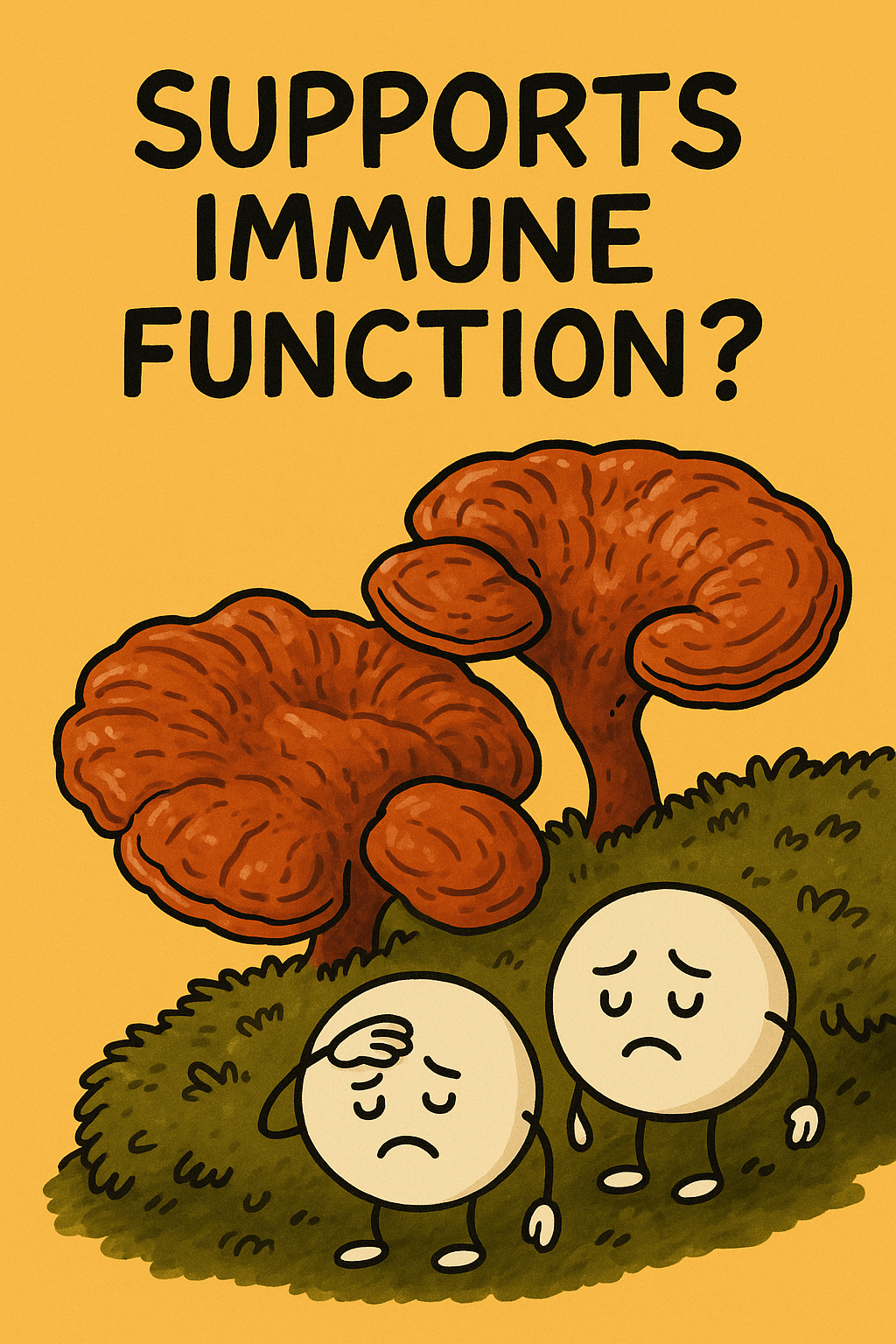
Reishi mushrooms contain polysaccharides and triterpenes that researchers are studying for their possible role in supporting normal immune function. Early findings are intriguing, but most of the evidence still comes from laboratory and small-scale studies, so reishi is best seen as a traditional wellness food rather than a cure.
In 1973, a mysterious injectable medicine appeared in China under an unremarkable code name: Ji 731 Injection. For years, few people outside China knew what it contained. The answer turned out to be surprisingly humble: an extract of a glossy, reddish-brown mushroom that has grown on decaying hardwood trees for millennia. The Chinese call it lingzhi, the Japanese call it reishi, and scientists know it as Ganoderma lucidum. Today, that same mushroom sits on supermarket shelves in capsules, teas, and even "mushroom coffee." So what does science actually say about it?
"I Wasn't Expecting Miracles, I Just Wanted to Feel Less Run-Down"
One of our readers, a retired teacher in her sixties, told us she started drinking reishi tea every evening one autumn after a friend recommended it. "I'll be honest, the first cup tasted like tree bark," she laughed. "But I liked the ritual. A warm, bitter drink before bed, instead of scrolling on my phone. After a few weeks I felt calmer in the evenings, although I know that might just be the routine itself." Before starting, she checked with her doctor, because she takes blood pressure medication. That turned out to be a wise move, as you will read below.
Her experience captures the reishi story perfectly: a long tradition, plenty of enthusiasm, and a scientific picture that is promising but still incomplete.
The Real Story Behind Ji 731
Popular retellings often claim that the formula was secretly obtained by Japanese researchers, who then "proved" its tumor-destroying power. The documented history is less dramatic but more interesting. According to a detailed review published in the Journal of Cellular and Molecular Medicine (2018), Ji 731 Injection was developed by the Institute of Chinese Medical Sciences and was used clinically in China from 1973, mainly for muscle disorders (myopathies). In 1985 it was renamed "Ji Sheng Injection" and entered large-scale production. In 2000, China's drug regulator approved it under the name "Polysaccharidum of G. lucidum Karst Injection."
The authors of that review gathered 81 chemical, biochemical, preclinical, and clinical studies published between 1973 and 2017. The studies suggest that reishi polysaccharides may have immune-modulating, antioxidant, and other biological effects. It is worth noting, however, that most of this work was done in cell cultures or animals, and that the injectable drug is not the same as the reishi powder or tea you can buy in a shop. The review itself acknowledges that open questions remain about standardization and quality, and these are the reasons the drug has not entered markets outside China.
What Is Actually Inside a Reishi Mushroom?
Reishi is rich in two main groups of bioactive compounds:
- Polysaccharides (especially beta-glucans). These complex carbohydrates are the most-studied compounds in reishi. In laboratory research, they interact with immune cells such as macrophages, natural killer (NK) cells, and T cells. Beta-glucans are also found in more familiar mushrooms like shiitake and oyster mushrooms, as we described in our article 7 types of vegetables that heal the body.
- Triterpenes. These are responsible for reishi's famously bitter taste. Supplement testers at ConsumerLab point out that, depending on how they are made, some reishi extracts contain very little of these naturally occurring triterpenes.
- Ling Zhi-8 (LZ-8). This small immunomodulatory protein has drawn scientific interest. In Traditional Chinese Medicine, reishi has long been associated with supporting the "five organs" (heart, lungs, liver, spleen, and kidneys), although this is a traditional concept rather than a proven medical claim.
In total, the fruiting body, mycelium, and spores of reishi contain around 400 different bioactive substances, according to the 2018 review. These include polysaccharides, triterpenoids, nucleotides, sterols, fatty acids, proteins, and trace elements.
Reishi and Cancer: What the Most Rigorous Review Says
You will often read online that reishi "destroys tumors" or "prevents metastases." As nutrition professionals, we have to be careful here. The most rigorous look at the human evidence so far is a Cochrane systematic review (2016), which analyzed randomized controlled trials in people with cancer. The review found insufficient evidence to justify using reishi as a first-line cancer treatment. Some trials suggested that reishi, taken alongside conventional treatment, might support certain markers of immune function and quality of life. However, the studies were small and of limited quality.
A plain-language summary of that Cochrane review, published in the European Journal of Integrative Medicine, notes that the evidence came from only five studies, three of them in people with advanced lung cancer. In short, reishi is an interesting subject for research, but it is never a replacement for medical care.
How Soon Do People Notice Anything?
Many product labels and traditional practitioners suggest that people may begin to notice subtle changes, such as feeling more rested, within the first two weeks of regular use, with more noticeable effects after about two months. These timelines come mostly from tradition and personal reports, not from firm clinical proof. Controlled studies have typically lasted between 4 and 12 weeks, and the results have been mixed. For example, according to Healthline, one 2011 study found no change in important antioxidant enzymes in the blood after 4 to 12 weeks of reishi use.
It also helps to understand dosing. There is no agreed-upon standard dose, and the numbers differ greatly between forms. According to Healthline, 50 grams of dried mushroom may roughly correspond to about 5 grams of concentrated extract.
Reishi, Vitamin C, and Other Antioxidants
Some sources suggest pairing reishi with vitamin C and other antioxidants to enhance its effects. Direct evidence for this particular combination is limited. What we do know is that vitamin C itself supports both innate and adaptive immunity, as explained in a well-cited review in Nutrients (Carr & Maggini, 2017). As Harvard Health points out, most people can get enough vitamin C from a balanced diet without high-dose supplements.
So a sensible approach is simple. Enjoy reishi if you like it, and build your autumn and winter menu around colorful vegetables, citrus, and warming spices. For more seasonal ideas, see our article Warm Water with Turmeric Against Winter Troubles. Reishi products are especially popular in autumn, when many people look for ways to support their well-being during the cold and allergy season.
Is Reishi Safe for Everyone?
Reishi is generally well tolerated, but it is not suitable for everyone. According to WebMD, reishi extract is possibly safe for up to one year, and powdered whole mushroom for up to 16 weeks. It can occasionally cause dizziness, dry mouth, itching, nausea, stomach upset, or rash. Please talk to your doctor before trying reishi if any of the following applies to you:
- You take blood-thinning medication, because reishi may slow blood clotting.
- You take diabetes medication, because reishi may lower blood sugar.
- You take blood pressure medication, because reishi may lower blood pressure further.
- You have a bleeding disorder or have surgery scheduled. WebMD advises stopping reishi at least two weeks beforehand.
- You are pregnant or breastfeeding. There is not enough safety research for these groups, according to WebMD.
How to Choose a Good Reishi Product
Quality matters a great deal with mushroom products. Reputable reishi is cultivated naturally, on wood or other natural substrates, in a controlled environment. Carefully processed, it becomes a clean powder made from natural ingredients. When buying, ConsumerLab recommends checking that the Supplement Facts panel lists reishi "mushroom" or "fruiting body" as the first ingredient, because that is what provides the beta-glucans. Also look for products that state their beta-glucan and triterpene content, and for brands that use independent laboratory testing.
And if you ever pick fresh mushrooms yourself, freshness and correct identification are essential. Our guide How to Recognize Fresh Foods explains what to look out for.
The Bottom Line
Reishi is one of the most studied mushrooms in the world, with a fascinating history stretching from ancient Chinese texts to a modern injectable medicine. Its polysaccharides and triterpenes are the subject of serious research, and early results on immune function are intriguing. Still, the strongest human evidence remains limited, and one question is still open: does reishi act directly on abnormal cells, or does it work indirectly through the immune system? Until science settles these questions, enjoy reishi as a traditional wellness food, a bitter, earthy tea for chilly evenings, and not as a substitute for a varied diet, good sleep, and professional medical care.
Information on this website is for educational purposes only and is not medical advice.
expert, nutritionist
 Would you like to be informed about news on the website?






|

