




Forget Cow's Milk: Make Your Own Sunflower Milk at Home
expert, nutritionist
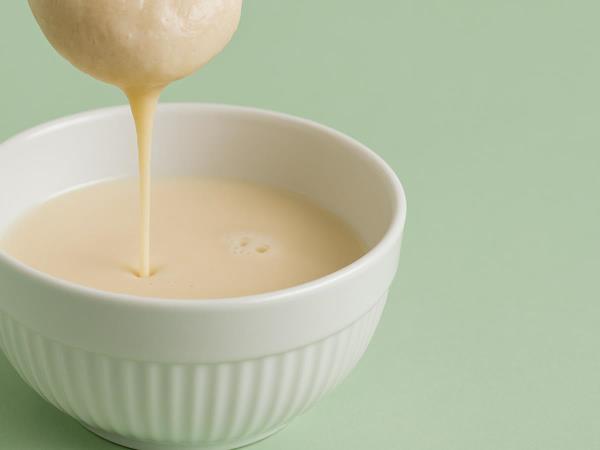
What if the most interesting milk in your kitchen didn't come from a cow at all, but from a sunflower? One cup of seeds, two cups of water, a blender and a clean cotton cloth are all you need. The result is a mild, slightly nutty drink with no lactose, no additives and no mystery ingredients. Once you've made it yourself, you may never look at the supermarket dairy aisle the same way again.
Sunflower milk is a source of vitamin E and healthy fatty acids, and making it at home is surprisingly simple.
When a Champion Said Goodbye to Dairy
One of the best-known people to give up dairy is tennis legend Novak Djokovic. In his book Serve to Win he describes how, after struggling with fatigue and breathing problems during matches, he worked with a nutritionist and changed his diet. According to Tennishead's review of the book, he eliminated gluten and also cut out dairy. The sample menu published by IOL shows how central plant foods became for him: his breakfast muesli included gluten-free oats, dried fruit, almonds and pumpkin or sunflower seeds. Djokovic himself says the approach is not for everyone, but he suggests that people curious about dairy may find it worth experimenting with.
You don't need to be a world number one to try something similar. One of our readers, a retired teacher, told us she started making sunflower milk after years of feeling "heavy" after her morning latte: "I expected it to taste like birdseed. Instead it was soft and nutty, and it went wonderfully with my oat porridge. Now making a fresh jar every two days has become my little Sunday and Wednesday ritual." Another reader, a father of a child with a tree-nut allergy, said sunflower milk was the first homemade plant drink the whole family could share.
Why More People Are Looking Beyond Cow's Milk
Sunflower milk is not a direct replacement for cow's milk. The two have quite different nutritional profiles. For many people, though, it is a welcome and pleasant alternative. A large share of the world's adults gradually lose some of their ability to digest lactose, the natural sugar in milk. This is a normal biological change, not a disease. MedlinePlus, the health information service of the U.S. National Library of Medicine, notes that reduced lactose digestion after infancy is very common worldwide. Rates are much lower in northern Europe and considerably higher in parts of Asia and Africa.
Many people also don't realise that bloating, gas or an uncomfortable stomach after a glass of milk may be linked to lactose. The U.S. National Institute of Diabetes and Digestive and Kidney Diseases (NIDDK) explains the typical symptoms and how lactose intolerance is diagnosed. If you regularly have digestive discomfort, it's always a good idea to talk to your doctor rather than guess. Researchers also point out that people shouldn't cut out dairy entirely on self-diagnosis alone. A review in the journal Foods stresses that plant drinks and cow's milk are not nutritionally identical, especially when it comes to protein.
What's Inside Sunflower Milk?
But let's get back to sunflower milk... Because it is plant-based, most people find it light and easy to digest. Sunflower seeds naturally contain magnesium, phosphorus, potassium, vitamin E and mostly unsaturated fatty acids. According to the NIH Office of Dietary Supplements vitamin E fact sheet, sunflower seeds are among the richest natural food sources of vitamin E. Vitamin E is a fat-soluble antioxidant that helps protect cells from oxidative stress. You can compare detailed nutrient values for sunflower seeds in the USDA FoodData Central database.
A nutritionist's honest note: because the milk is mostly water and part of the seed is strained out, a glass of homemade sunflower milk contains far fewer nutrients than a handful of whole seeds. It is also naturally low in calcium and protein compared with cow's milk. Many store-bought sunflower drinks are fortified with calcium, vitamin D and B12, while homemade versions are not. If sunflower milk becomes your everyday drink, make sure you get calcium from other foods too, such as leafy greens, legumes, tofu or fortified products. A review of plant-based milk alternatives in the Journal of Food Science and Technology gives a good overview of how different plant drinks compare.
That's exactly why sunflower milk works so well as a pleasant drink alongside breakfast, poured over muesli or blended into a smoothie. We warmly recommend giving it a try.
What Do You Need to Make Sunflower Milk?
- 1 cup of hulled (shelled), raw, unsalted sunflower seeds
- 2 cups of water (plus extra for soaking)
- Optional: a pinch of salt, 1–2 pitted dates, a few drops of vanilla or a pinch of cinnamon
Preparation
- Soak: Cover the seeds with water and leave them for at least 3 hours. It's even better to leave them overnight. Soaking softens the seeds and makes them easier to blend.
- Rinse: Drain the soaking water and rinse the seeds well.
- Blend: Put the seeds and 2 cups of fresh water into a blender and blend on high for 1–2 minutes, until the mixture is smooth and milky. Add dates, vanilla or salt now if you like.
- Strain: Pour the mixture through a clean cotton cloth, cheesecloth or nut-milk bag and squeeze firmly. Every drop counts.
- Chill: Pour into a clean glass bottle and refrigerate. Homemade sunflower milk keeps for about 2–3 days in the fridge.
Sip it slowly and give it a good stir each time. Natural separation is completely normal, because there are no emulsifiers or stabilisers.
Don't let the tiny seed particles bother you, since that's where much of the fibre and many of the nutrients are. At least you know exactly what you're drinking and which ingredients went into it.
Tips From Our Test Kitchen
- Colour change? Sunflower milk can sometimes turn slightly greenish when mixed with baking soda or heated in baked goods. This is a harmless natural reaction between the seeds' chlorogenic acid and alkaline ingredients.
- Don't boil it. The milk is delicate and can separate if heated strongly. For warm drinks, heat it gently.
- Use the pulp. The leftover seed pulp is great in pancake batter, bread dough, energy balls or homemade granola.
- Buy fresh seeds. Sunflower seeds are rich in fats and can go rancid. Store them in a cool, dark place or in the fridge.
- A nut-free option. Sunflower milk is often chosen by people who avoid tree nuts. However, sunflower seed allergy does exist, so anyone with food allergies should check with their doctor first.
- For children: Homemade plant drinks are not a substitute for breast milk, infant formula or cow's milk in young children's diets without professional advice.
Related Reading on Foodwhisper
Information on this website is for educational purposes only and is not medical advice.
expert, nutritionist
 Would you like to be informed about news on the website?







|

