




Papaya, Chia Seeds and Milk: A Drink Worth Trying Before Your Meals
expert, nutritionist
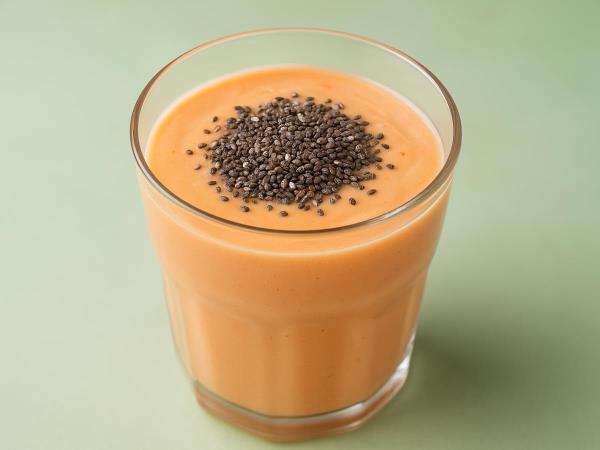
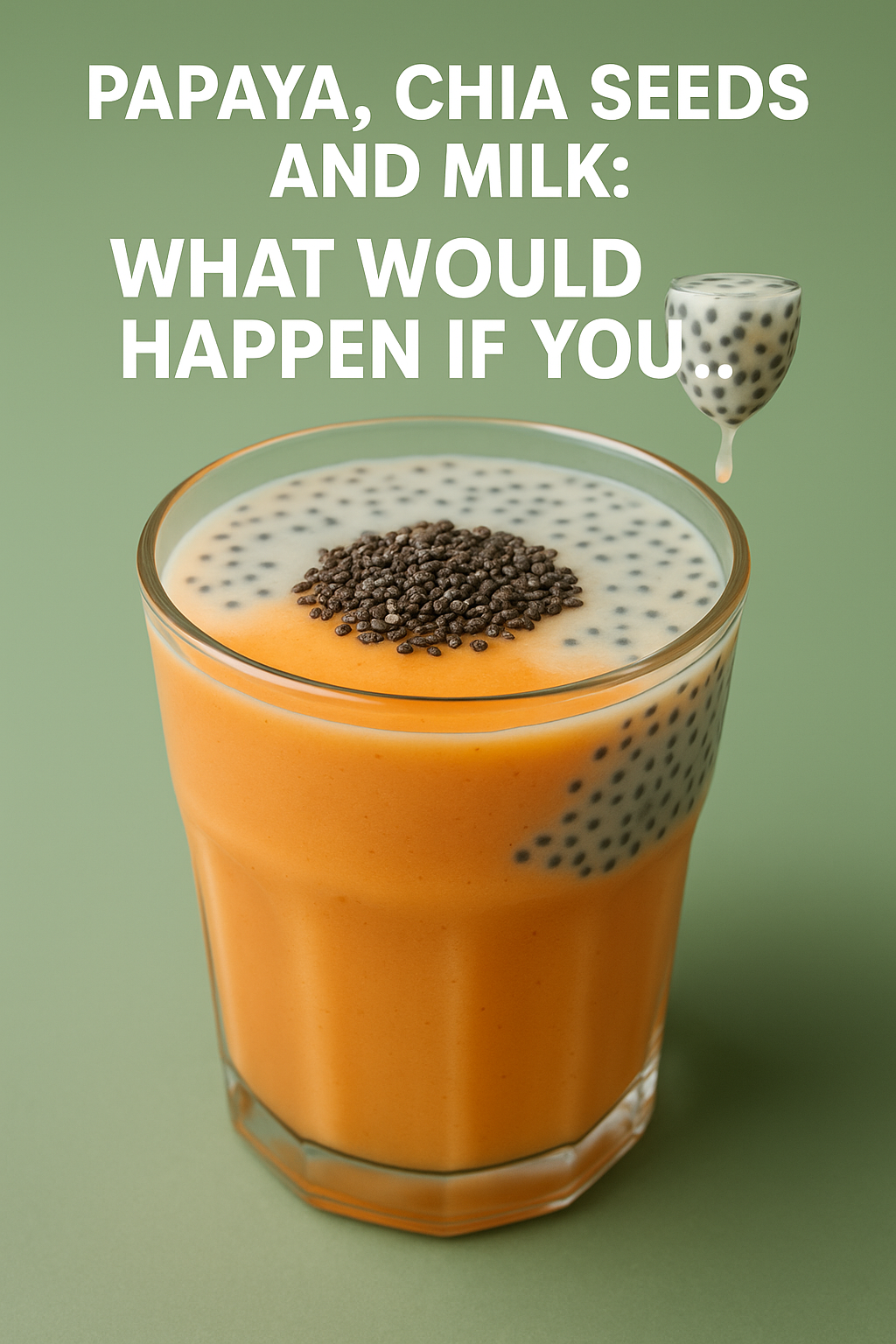
What if one of the easiest habits for a lighter, more comfortable stomach took only three ingredients and half an hour of waiting? Tiny chia seeds can absorb many times their own weight in liquid, turning a glass of milk into a thick, pudding-like drink – and paired with sweet, ripe papaya, it becomes a small ritual that many people now enjoy before lunch and dinner.
Chia seeds are not a new trend. American journalist Christopher McDougall introduced millions of readers to them in his bestselling book Born to Run, in which he describes how the Tarahumara people of Mexico's Copper Canyon, famous for running extraordinary distances, drink iskiate (also known as chia fresca) – chia seeds soaked in water with a little sugar and lime. McDougall wrote about the drink with such enthusiasm that it became a favourite among runners worldwide. Our drink follows a similar idea: let the seeds swell in liquid first, then enjoy them slowly.
One of our readers, a retired teacher, shared her experience: "I started making this drink after the holidays because I felt heavy and bloated. I don't think it made me lose weight by itself, but I noticed that I ate smaller portions at dinner and my digestion felt more regular. Now it's simply part of my afternoon routine."
What makes this drink special?
This simple mixture of three ingredients is designed to support digestion – thanks to papain, an enzyme from papaya that helps break down proteins, and to the generous amount of fibre in chia seeds.
This drink does not work miracles, but it can be a helpful part of a diet that supports regular bowel movements. Highly processed foods that are low in fibre are often linked to sluggish digestion, constipation and bloating – and a comfortable gut is an important part of overall wellbeing. According to Johns Hopkins Medicine, fibre is a key component of foods that help keep us regular, as it supports the muscle contractions that move food through the intestines.
The recommended way to drink it is about one hour before lunch and dinner. Because chia seeds form a gel and are rich in fibre, many people find that they feel fuller and are naturally inclined to eat smaller portions. It is worth being realistic, though: no single drink melts kilograms away on its own. A randomised controlled trial published in Nutrition Research found that overweight adults who consumed 25 g of chia seeds in water twice daily before meals for 12 weeks did not lose more weight than the placebo group. Chia is best seen as a nutritious helper, not a weight-loss solution.
If bloating is your main concern, you may also enjoy our article Get Rid of Bloating and Excess Water.
Recipe
Ingredients:
- 12 grams of chia seeds (about 1 heaped tablespoon)
- 200 ml of cow's milk, or even better, almond milk
- 1/2 ripe papaya
Preparation:
Peel the papaya, scoop out the seeds and cut the flesh into small cubes (or blend it). Mix all the ingredients together and let the drink stand for 30 minutes. Stir occasionally so the chia seeds don't clump together at the bottom.
Nutritionist's tip: Always let the chia seeds swell completely before drinking. Dry chia seeds can absorb a great deal of liquid, and the American College of Gastroenterology has reported a case in which a man who ate a tablespoon of dry chia seeds followed by water developed a blockage in his oesophagus. The 30-minute soaking time in this recipe is therefore not just about texture – it is also about safety. People with swallowing difficulties should be especially careful.
If you are new to fibre-rich foods, start with a smaller amount and drink plenty of water throughout the day, so your digestive system can adjust gradually.
Why papaya?
It is important to use papaya in this drink. Papaya is often called a "perfect fruit" because it offers a remarkable combination of nutrients in a delicious package. As Precision Nutrition explains, papaya is an excellent source of vitamin C and vitamin A (as beta-carotene), and a good source of folate. Its orange colour comes from carotenoids, and according to Medical News Today, papaya also contains antioxidants such as lycopene, lutein and zeaxanthin, as well as vitamin K.
Among other things, papaya contains papain, an enzyme that breaks down proteins and has traditionally been used to support digestion. Scientific interest in this is not new: a double-blind, placebo-controlled study published in Neuro Endocrinology Letters tested a papaya preparation in people with digestive complaints such as constipation, heartburn and bloating, and the authors concluded that it contributed to maintaining normal digestive function. Keep in mind that this study used a concentrated papaya product, not fresh fruit, so the results cannot be directly applied to a glass of homemade drink.
Papaya is also traditionally associated with healthy mucous membranes, good hydration and overall wellbeing. Its high water and fibre content makes it a gentle, pleasant addition to a diet aimed at regular digestion.
Why chia seeds?
Chia seeds come from the Salvia hispanica plant, a member of the mint family native to Central America, and were a staple food of the Aztecs and Mayans. According to Harvard Health Publishing, one ounce (two to three tablespoons) of chia seeds provides around 9.8 grams of dietary fibre, and this fibre can support healthy digestion by softening the stool and adding bulk. Chia seeds are also rich in the plant omega-3 fatty acid ALA and contain all nine essential amino acids.
MedlinePlus, the health information service of the U.S. National Library of Medicine, notes that just one tablespoon of chia seeds provides around 20% of the recommended daily fibre intake. How much is enough? In the European Union, packaged chia seeds must carry a label advising that daily intake should not exceed 15 grams – which is why our recipe uses 12 grams per drink. If you drink it twice a day, consider using a little less in each glass.
If you enjoy chia, try our energising morning recipe: Breakfast for more energy before a physically demanding day.
Cow's milk or almond milk?
Both work well. Cow's milk adds protein and calcium, which makes the drink more filling. Almond milk is lighter, lactose-free and suitable for people who avoid dairy – just choose an unsweetened version, preferably one fortified with calcium. The creamy texture of both pairs beautifully with the natural sweetness of papaya, so you won't need to add sugar.
For more ideas on eating lighter without strict rules, read Diet without dieting and 2 kg less per week.
Things to keep in mind
- Papaya seeds: Don't forget to remove them. While small amounts are considered edible and have a peppery taste, they are not part of this recipe and should not be eaten in large quantities.
- Ripe papaya only: Use fully ripe fruit. Unripe papaya contains latex, and people with a latex allergy may also react to papaya. Pregnant women are generally advised to avoid unripe papaya.
- Increase fibre gradually: A sudden jump in fibre intake can cause temporary bloating. Drink enough water during the day.
- Medications and health conditions: If you take blood thinners, have a digestive disorder or any chronic condition, talk to your doctor or a registered dietitian before making regular dietary changes.
Used sensibly, this papaya and chia drink is a tasty, nourishing way to add more fibre and fruit to your day – and to arrive at the dinner table a little less hungry.
Information on this website is for educational purposes only and is not medical advice.
expert, nutritionist
 Would you like to be informed about news on the website?













|

