


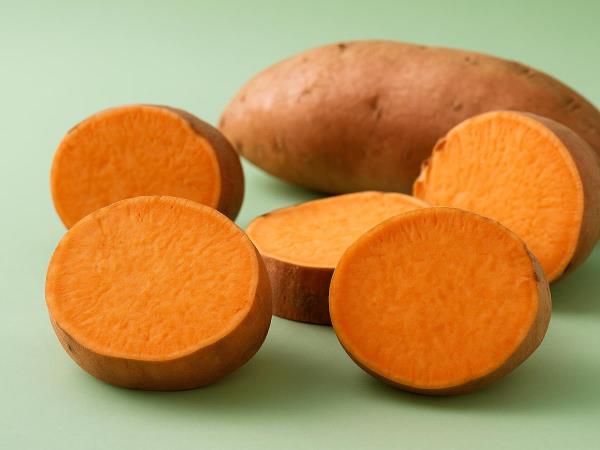




Sweet Potato: The Humble Root Hiding Nutrients Your Immune System Relies On
expert, nutritionist
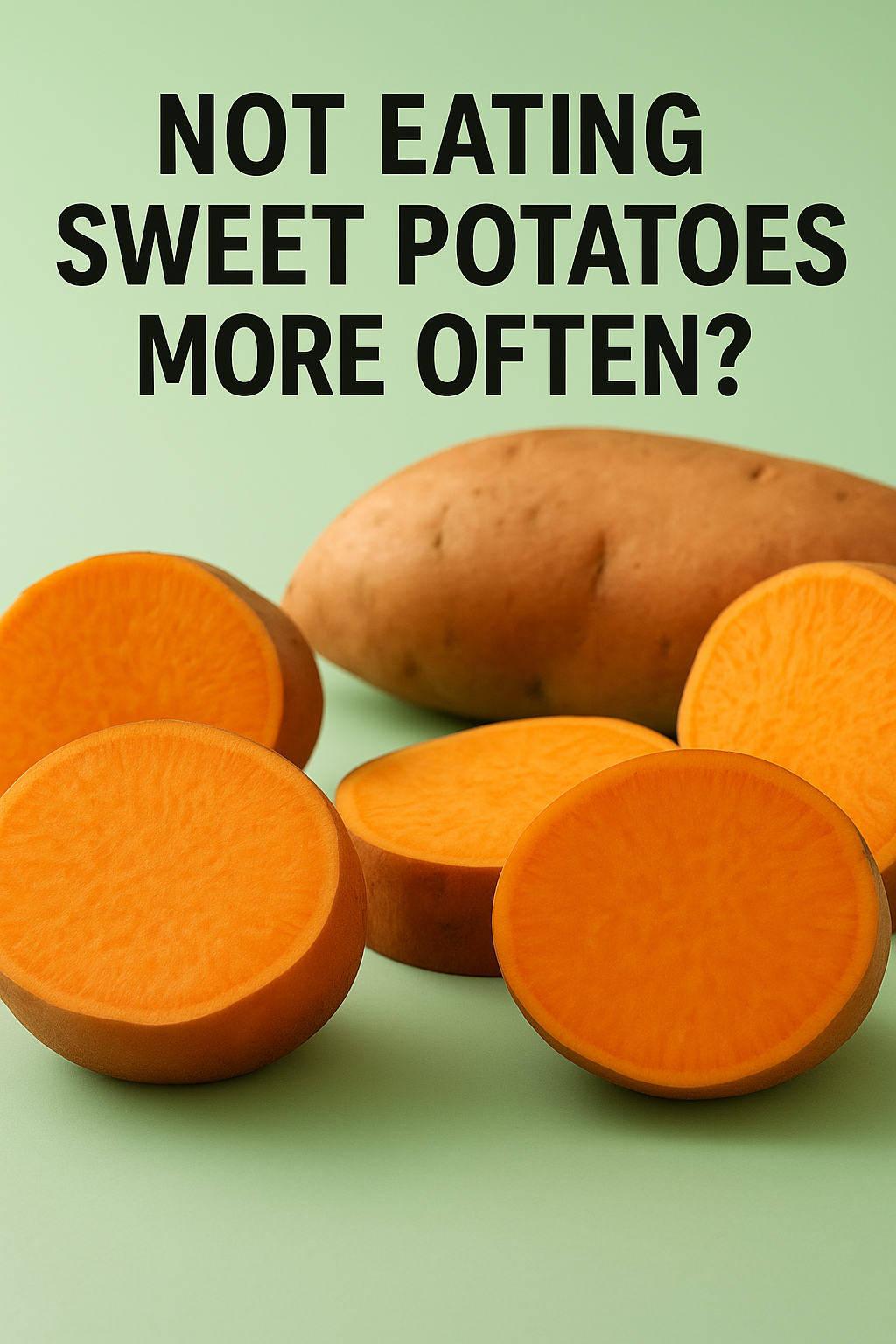
One medium baked sweet potato can cover more than a full day's worth of vitamin A. Few foods in your kitchen can say that, and yet the sweet potato rarely gets the spotlight. It also contains antioxidants that help the body cope with everyday oxidative stress. So here's a fair question: shouldn't you be eating it more often?
Actress Olivia Munn is one fan who clearly thinks so. She has told interviewers that she buys Japanese sweet potatoes, slices them into thick rounds, drizzles them with olive oil and cinnamon, and bakes them as a dessert, eating a couple a day whenever she can. She credits them for part of her healthy glow. Science hasn't confirmed every beauty claim, but her habit is a good illustration of how easily this root can replace a sugary treat.
Readers of our site share similar stories. One reader wrote to us that she started swapping her afternoon biscuits for a small roasted sweet potato with a spoon of yoghurt: "I expected to miss the sweets, but the sweet potato is so naturally sweet that I stopped craving them after a couple of weeks."
An ancient crop with a long journey to Europe
The sweet potato is among the oldest cultivated vegetables we know. It originates from Central and South America, and it was Christopher Columbus who brought it to Europe after his voyages to the Americas. Despite its name, the sweet potato (Ipomoea batatas) is not a true potato at all. It belongs to the morning glory family and is only distantly related to the common potato (Solanum tuberosum).
The common potato later became Europe's great staple. In the Habsburg lands, Empress Maria Theresa strongly promoted potato growing in the 18th century, and the crop helped much of Europe avoid severe famines. Over time, the ordinary potato almost completely pushed the sweet potato off European plates, even though, by many measures, the sweet potato is the more nutrient-dense of the two.
Sweet potato vs. regular potato: the numbers
The biggest difference between the two lies in beta-carotene (provitamin A). Regular potatoes contain almost none, while orange-fleshed sweet potatoes are one of the richest sources in the entire food supply. According to the U.S. National Institutes of Health Office of Dietary Supplements, one whole baked sweet potato provides well over 100% of the daily value for vitamin A. Sweet potatoes also supply manganese, copper, vitamin C, several B vitamins, potassium, phosphorus and fibre (you can compare exact values in the USDA FoodData Central database).
How you cook them matters too. The glycemic index (GI) of sweet potatoes changes dramatically with the cooking method. A study of ten sweet potato varieties found that boiled sweet potatoes had the lowest GI values (around 41 to 50), while baked and roasted ones reached roughly 80 to 94. A separate study from North Carolina State University, published in The Open Nutrition Journal, placed steamed and baked sweet potato flesh in the moderate range. The practical takeaway: if you are watching your blood sugar, boiling or steaming is the gentler choice, and pairing sweet potatoes with protein, fat and vegetables helps even further. Regular potatoes, especially baked or mashed, also tend to fall in the high GI range.
What can sweet potatoes do for you?
The strongest evidence concerns vitamin A. In a two-year study in rural Mozambique, published in The Journal of Nutrition, young children in families that grew and ate orange-fleshed sweet potatoes had much higher vitamin A intakes than children in comparison families, and their blood vitamin A levels improved. This work, led by the International Potato Center, was so influential that its lead scientists shared the World Food Prize in 2016. Vitamin A contributes to normal vision, healthy skin and the normal function of the immune system.
Beta-carotene and other carotenoids also act as antioxidants, helping to neutralise free radicals, the unstable molecules linked to oxidative stress. Diets rich in colourful fruits and vegetables are associated in research with better heart health, and antioxidants may help protect blood fats such as cholesterol from oxidation. Sweet potatoes can be a tasty part of that picture, although no single food works miracles on its own.
Sweet potatoes also bring a helpful mix of B vitamins, including B1 (thiamine), B2 (riboflavin), B5 (pantothenic acid), B6 and B7 (biotin). The body cannot store most of these for long, so we need a regular supply from food. They play important roles in energy metabolism and the normal function of the nervous system.
Then there is glutathione, which some people call the "master antioxidant." Our cells produce it themselves, and it plays a key role in the body's natural detoxification and antioxidant defences. Research has associated low glutathione levels with increased oxidative stress. Sweet potatoes contain some glutathione, but more importantly they deliver vitamin C and other nutrients that help the body keep its own antioxidant systems working normally. If you enjoy other traditional potato remedies, you might also like our article How to make potato juice?
How to enjoy sweet potatoes
Sweet potatoes behave much like regular potatoes in the kitchen, just with a sweeter, nuttier flavour. You can bake them, boil them, steam them or mash them. They go wonderfully in vegetable soup, with a mushroom sauce, or grated into potato pancakes. Because their taste is mild and slightly reminiscent of squash, they work equally well in salads and in desserts, and a sweet potato pur{-15447}e is simply delicious.
A favourite combination among our readers is sweet potato with banana, maple syrup, cinnamon and walnuts. One reader bakes this mixture in a dish on Sunday mornings: "My kids think it's dessert, and I know it's packed with good stuff."
A tip from nutritionists: beta-carotene is fat-soluble, so add a little olive oil, a handful of nuts or some avocado to help your body absorb it. And if you love sweet potato fries, bake them in the oven rather than deep-frying them. Curious why? Read Does French fries really increase the risk of anxiety and depression? For more ideas on everyday ingredients, see Foods We Use Incorrectly, and for another cold-season classic try Warm Water with Turmeric Against Winter Troubles.
The downsides: a word about oxalates
Sweet potatoes contain a moderate amount of oxalates. The levels are lower than in spinach, beets or rhubarb, but some caution is still sensible for people prone to kidney stones or with kidney problems. Oxalates can bind to calcium in the gut and reduce how much of it the body absorbs. If you have been advised to follow a low-oxalate diet, the National Kidney Foundation and your doctor or dietitian are the best sources of personal guidance. Boiling sweet potatoes and discarding the water can lower their oxalate content, and eating them with calcium-rich foods such as yoghurt or cheese also helps.
For most healthy people, the oxalate content of sweet potatoes is not high enough to be a concern. As always, moderation and variety are the key. And if you want to know which foods really deserve a place on the "eat less" list, take a look at 5 Foods That Shorten Your Lifespan.
Information on this website is for educational purposes only and is not medical advice.
expert, nutritionist
 Would you like to be informed about news on the website?















|

