




A Spoonful of Honey, a Spoonful of Walnuts: Why This Humble Duo Keeps Winning Over Nutrition Experts
expert, nutritionist
Imagine a "medicine cabinet" that fits into one small jar in your fridge, costs a few euros and tastes like dessert. That is exactly how generations of grandmothers across Central and Eastern Europe described the mixture of ground walnuts and honey. Today, nutrition science is taking a closer look at why this old pairing works so well. Walnuts are the only common nut rich in plant-based omega-3 fats, and honey has been valued since ancient times, when physicians of ancient Greece and Egypt used it in their remedies.
Even elite athletes lean on this simple combination. Tennis champion Novak Djokovic has described in his book Serve to Win how he eats honey as part of his daily routine and relies on nuts as one of his staple snacks for steady energy during long matches and training days. One of our readers, a retired teacher from Central Europe, shared a similar experience: "My mother always kept a jar of walnuts in honey in the pantry. I started eating a spoonful every morning after a winter full of colds. I can't say it worked miracles, but it replaced my afternoon biscuits, and I simply felt more energetic."
Walnuts combined with honey are a powerful and traditional folk food that has earned its place alongside modern nutrition advice. The mixture contains many healthy vitamins, minerals, proteins, fats and even beneficial carbohydrates that give the body strength and energy, while the fats and fiber from walnuts help you feel full for longer.
How to prepare the mixture
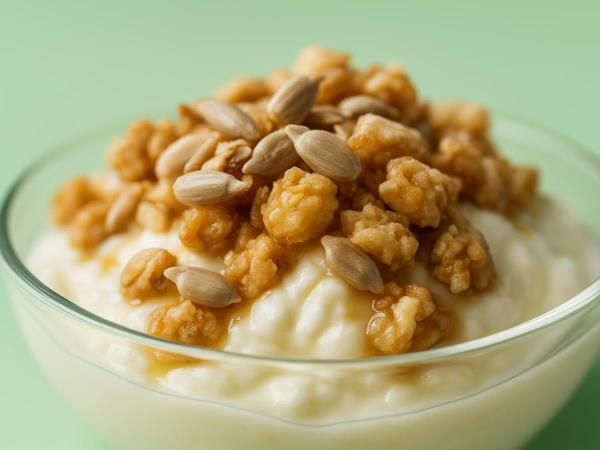
According to traditional advice, a spoonful of the walnut and honey mixture eaten regularly may noticeably contribute to your wellbeing. Mix one spoonful of honey with one spoonful of ground walnuts and add a few drops of lemon juice. You can prepare it fresh each time, or make a larger batch and store it in the fridge in a sealed glass jar.
A nutritionist's note on portions: the traditional advice of three tablespoons a day adds up to roughly 60 grams of honey, which is more natural sugar than the American Heart Association recommends for a whole day (about 25 g for women and 36 g for men). A smarter version: use teaspoons instead of tablespoons, or keep the walnut portion generous and the honey portion small. About 30 grams of nuts a day, roughly one small handful, is a sensible target, as we also explained in our article Did You Know Cashews Aren't Actually From India - and Why That Matters?
Why the lemon? Vitamin C from lemon juice helps the body absorb the plant-based (non-heme) iron found in nuts, according to the NIH Office of Dietary Supplements. Small detail, useful effect.
What may happen if you eat walnuts and honey with lemon every day?
1. Support for healthy blood pressure
This is where walnuts have the most scientific backing. A 2019 controlled study from Penn State, published in The Journal of Nutrition, found that participants whose diets included walnuts had more favorable central blood pressure readings than those on a comparable diet without walnuts. The large Spanish PREDIMED trial, published in The New England Journal of Medicine, also linked a Mediterranean diet enriched with mixed nuts (walnuts included) to fewer cardiovascular events.
Walnuts are naturally rich in magnesium and potassium and low in sodium, which fits well with the DASH eating plan developed with support from the U.S. National Heart, Lung, and Blood Institute. The U.S. Food and Drug Administration even allows a qualified health claim connecting walnut consumption to heart health. Many people who add walnuts to their diet report steady improvements over weeks, but results differ from person to person, and anyone taking blood pressure medication should keep taking it and consult their doctor before making changes.
2. Cholesterol: where walnuts and honey meet
A frequently cited meta-analysis of 13 clinical trials, published in the American Journal of Clinical Nutrition (Banel and Hu, 2009), found that walnut-enriched diets lowered total and LDL cholesterol compared with control diets. Honey may also have a role: a 2023 review by University of Toronto researchers, published in Nutrition Reviews, reported modest improvements in some blood lipid values, particularly with raw, single-source honey, when it was eaten within a healthy diet rather than in addition to other sugars.
3. Headaches: the magnesium connection
Folk wisdom has long held that this natural, versatile mixture can ease headaches. Science points to a plausible reason: walnuts contain magnesium, a mineral that, according to the NIH Office of Dietary Supplements, many people do not get enough of, and which the American Migraine Foundation discusses in connection with migraine. A spoonful of walnuts and honey is not a painkiller, but a steady intake of magnesium-rich foods, regular meals and good hydration can all help reduce everyday triggers. Frequent or severe headaches always deserve a visit to your doctor.
4. A traditional drink for a sensitive stomach
A well-known traditional remedy for easing stomach discomfort is walnut milk with honey. Mix 20 grams of ground walnuts with a cup of hot water, stir well and strain through a clean cotton cloth. Add 2 spoonfuls of honey to the milk and take a sip or two about half an hour before each meal.
Many people find this warm, mild drink soothing. However, stomach ulcers are most often caused by the bacterium Helicobacter pylori or by regular use of certain painkillers, as explained by the Mayo Clinic, and they require medical treatment. Think of walnut milk as a gentle addition to your diet, not a cure. For more kitchen habits that can work against you, read Foods We Use Incorrectly, and if you love warm morning drinks, try Warm Water with Turmeric Against Winter Troubles.
5. Vitality and intimate health
Men and women have been eating walnuts and honey for vitality for centuries, and traditional advice recommends eating the mixture for 20 to 30 days. Interestingly, modern research offers some support for walnuts here. A study from the University of California, Los Angeles, published in Biology of Reproduction (2012), found that young men who added about 75 grams of walnuts a day to their diet showed improvements in sperm vitality, motility and shape. The Spanish FERRAN study, published in the journal Nutrients in 2019, also reported that a nut-enriched diet was associated with small improvements in some aspects of sexual function. Walnuts support healthy blood vessels, and good circulation matters for intimate health too. Persistent problems, however, can be an early sign of cardiovascular or hormonal issues and should be discussed with a doctor.
6. Iron, energy and fighting fatigue
Although we believe we eat a varied, vitamin-rich diet, that is not always the case. A widely discussed analysis in the Journal of the American College of Nutrition (Davis et al., 2004) found that the levels of several nutrients in garden vegetables declined between 1950 and 1999, partly due to modern farming methods focused on higher yields.
Walnuts contain iron, copper and B vitamins, all involved in forming healthy blood, while the lemon juice in the mixture helps with iron absorption. Regular consumption of walnuts and honey can be a pleasant part of an iron-conscious diet and may help you feel less tired, especially when combined with legumes, leafy greens, eggs, fish or meat. If you feel chronically exhausted, ask your doctor for a blood test, since iron deficiency anemia usually needs targeted treatment. And while you are reviewing your daily menu, have a look at 5 Foods That Shorten Your Lifespan.
Walnuts and honey at a glance
- Walnuts: about 2.5 g of plant omega-3 (ALA) per 28 g serving, plus protein, fiber, magnesium, copper and vitamin E, according to USDA FoodData Central.
- Honey: natural sugars, small amounts of polyphenol antioxidants and enzymes. Raw, local, unheated honey keeps more of these compounds.
- Lemon: vitamin C, a fresh taste and better iron absorption.
Who should be careful
- People with nut allergies should avoid this mixture completely.
- Babies under 12 months must never be given honey because of the risk of infant botulism, as warned by the U.S. Centers for Disease Control and Prevention.
- People with diabetes should count honey as sugar and discuss portions with their doctor or dietitian.
- Anyone watching their weight should remember that a tablespoon of walnuts and honey together contains roughly 110 to 130 calories. Enjoy it instead of a sugary snack, not on top of one.
- Storage tip: ground walnuts go rancid quickly. Keep the mixture in the fridge and use it within one to two weeks.
The bottom line
A spoonful of walnuts with honey and a few drops of lemon is not a miracle cure, but it is one of the most delicious ways to bring heart-friendly fats, minerals and antioxidants into your day. Treat it as a smart swap for biscuits or sweets, keep the honey portion modest, and let it become part of a balanced, varied diet. Your grandmother would approve, and so does modern nutrition science.
Information on this website is for educational purposes only and is not medical advice.
expert, nutritionist
 Would you like to be informed about news on the website?











|

