





Sea Salt: More Than a Seasoning – What Experts Say About Its Benefits for Skin, Hair, Airways and Everyday Wellbeing
expert, nutritionist
Seawater contains more than 80 minerals and trace elements. For thousands of years, people have trusted the sea to soothe tired skin, clear a stuffy nose and lift the spirits. Science now confirms some of this folk wisdom, while quietly correcting other parts of it. Here is what unrefined sea salt can really do for you, from the outside in.
"My skin is always the best when I've spent time in the ocean"
Model and beauty entrepreneur Hailey Bieber made headlines when she told her Instagram followers exactly that during a seaside holiday. She added that she sees ocean water as a natural exfoliant and that its minerals, such as magnesium, calcium and potassium, are her favourite free skincare. Melbourne dermatologist Dr Shyamalar Gunatheesan, interviewed by beautyheaven, said that people with acne-prone skin or psoriasis often notice an improvement after ocean swims. She credited the combination of seawater, gentle sunlight, exercise and the calming effect of the sea, and suggested sessions of 15 to 20 minutes, two or three times a week, while warning that too much salt water dries the skin out.
Readers share similar stories. One woman recalled that, decades ago, the family doctor told her teenage brothers to take a dip in the sea a few times a week for their breakouts, and the whole family was amazed at how much their skin improved over the summer. Many of us know that feeling: after a week at the coast, skin looks smoother, hair has more body, and we simply breathe more easily.
Sea salt and table salt: what's the real difference?
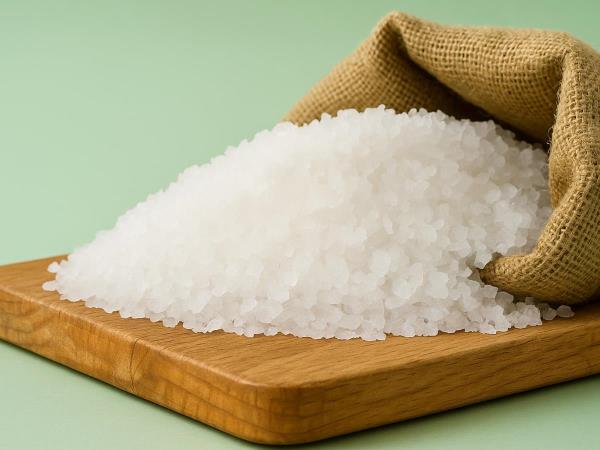
Sea salt and table salt are not quite the same thing. Both are salt, and both consist mostly of sodium chloride. Ordinary table salt, however, is usually mined, heavily refined, washed and dried at high temperatures, and often mixed with anti-caking agents. This removes almost all of the other minerals and trace elements. Unrefined sea salt is made by evaporating seawater, so it keeps small amounts of magnesium, calcium, potassium, manganese and other elements. These give it its slightly different taste, colour and texture.
As a nutritionist, I have to be honest here: those minerals are present only in tiny quantities. The American Heart Association notes that sea salt and table salt have essentially the same sodium content by weight. Sea salt is a great choice for flavour and for use on the body, but it is not a mineral supplement.
That is also why bathing in the sea is a very different experience from splashing around in heavily chlorinated pool water. The typical "pool smell" comes mainly from chloramines, compounds that form when chlorine reacts with sweat and other substances brought into the water by swimmers, and they can irritate skin and eyes.
What sea salt may do for your body
Sea salt and the body's acid-base balance. Sea salt is often described as "alkaline" and able to "deacidify" the body. In reality, sodium chloride is chemically neutral, and a healthy body keeps its blood pH within a very narrow range on its own, with the lungs and kidneys doing the hard work. So think of sea salt as part of a balanced diet rich in vegetables, fruit and water, not as a tool for changing your body's pH.
Sea salt and your natural defences. Many people say they catch fewer colds after a summer by the sea, and there is a well-studied everyday use of salt water. Rinsing the nose with saline solution is widely used to ease a stuffy nose during colds and allergy season. A Cochrane review found that it may bring some relief of symptoms, although the evidence is limited. Swimming in the sea in winter is another matter. Apart from pools with heated seawater, cold water can be a shock to the body, so anyone curious about cold-water swimming should start gradually and talk to their doctor first.
Sea salt and metabolism. It would be wonderful if salt lowered blood sugar or blood pressure, but it doesn't. With blood pressure, the opposite is true: according to the World Health Organization, high sodium intake is one of the main dietary factors behind raised blood pressure. What does support healthy metabolism is the lifestyle that often comes with the seaside: more movement, more fresh food, more sleep and less stress.
Sodium and your bones. A considerable share of the body's sodium is stored in the bones, where it serves as a reserve. This shows that sodium is an essential nutrient, not an enemy. Still, more is not better: very salty diets increase the amount of calcium lost in urine, so for strong bones the best approach is moderate salt, plenty of calcium-rich foods and regular exercise. Note also that, contrary to some popular claims, salt contains no vitamin C. For vitamin C and antioxidants, reach for fruit and vegetables.
Sea air and salt water for the airways. Many people feel they "breathe better" at the coast, and salt has a real place in respiratory care. A landmark trial published in the New England Journal of Medicine showed that inhaling a concentrated saline solution helped people with cystic fibrosis clear mucus from their airways. This is a medical treatment carried out under supervision, not a home remedy, but it helps explain why moist, salty sea air feels so pleasant to so many people.
Sea salt for skin and hair
Sea salt on the skin. Mixed with a little oil, sea salt makes a simple body scrub that gently removes dead skin cells and leaves the skin feeling smoother and brighter. Research supports the mineral side too: in a study published in the International Journal of Dermatology, volunteers with dry, atopic skin bathed one forearm in a magnesium-rich Dead Sea salt solution for 15 minutes a day. That skin became better hydrated and less rough and red than the skin of the arm bathed in tap water. A few rules apply: avoid scrubbing the face or broken skin, use light pressure, and always follow up with a moisturiser.
Sea salt for hair. Salt water absorbs excess oil, which is why hair often looks fuller and more textured after a swim in the sea: those famous "beach waves." A scalp that is not weighed down by oil can feel fresher, and the hair gains volume and bounce. Many salt-spray styling products are built on exactly this effect. But salt can also dry out hair, especially if it is coloured or naturally dry, so rinse with fresh water after swimming and use a conditioner.
What about sea salt in food?
What is good for the body on the outside can also find a place on the plate, as long as we keep the amount in check. Some people love the crunchy flakes and gentle flavour of sea salt, while others dislike its taste. The bigger problem, however, is that most of us simply eat too much salt of any kind. A major study led by researchers from Tufts University and published in the New England Journal of Medicine linked excess sodium to about 1.65 million cardiovascular deaths every year worldwide, as NPR reported. The average global intake was nearly double what the WHO recommends. The WHO advises adults to keep salt intake below 5 grams per day, or roughly one level teaspoon, and most of it comes hidden in bread, cured meats, cheese, ready meals and snacks. You can read more about everyday foods worth limiting in 5 Foods That Shorten Your Lifespan.
A few practical tips from a nutritionist:
- Use sea salt as a finishing salt. A pinch of flakes on a finished dish gives more flavour per grain than salt stirred into the pot, so you can use less.
- Mind the iodine. Most sea salt is not iodised. If you swap iodised table salt for sea salt entirely, make sure you get iodine from other sources, such as fish, dairy or eggs.
- Choose trusted brands. Studies, including one in Environmental Science & Technology, have found microplastic particles in sea salt samples from around the world, which is another reason to buy from reputable producers and not overdo it.
- Season with herbs, spices, lemon and garlic. They let you cut back on salt without sacrificing flavour. Many of these kitchen staples are often used in less-than-ideal ways, as we explain in Foods We Use Incorrectly.
Summer is a special case. When it is hot, we move more, sweat more and lose some sodium along with water, so a little extra salt, together with plenty of fluids, is usually no problem for healthy people. We also tend to eat more fresh, light and natural food at that time of year. If you're heading to the coast, take a look at our tips in Ideal food for vacation. If you have high blood pressure, kidney disease or heart problems, however, always follow the salt advice of your doctor.
The bottom line
Sea salt is much more than a seasoning. On the outside, as a swim in the sea, a relaxing bath or a gentle scrub, it may help skin feel smoother and hair look fuller, and salty sea air simply feels good to breathe. In the kitchen, it is a delicious finishing touch, but it is still salt. Enjoy the sea, use sea salt wisely, and let the rest of your plate be full of colourful, fresh food.
Information on this website is for educational purposes only and is not medical advice.
expert, nutritionist
 Would you like to be informed about news on the website?














|

