






Why Are You Still Hungry After a Meal? The Culprits Are Foods You Eat Every Day
expert, nutritionist
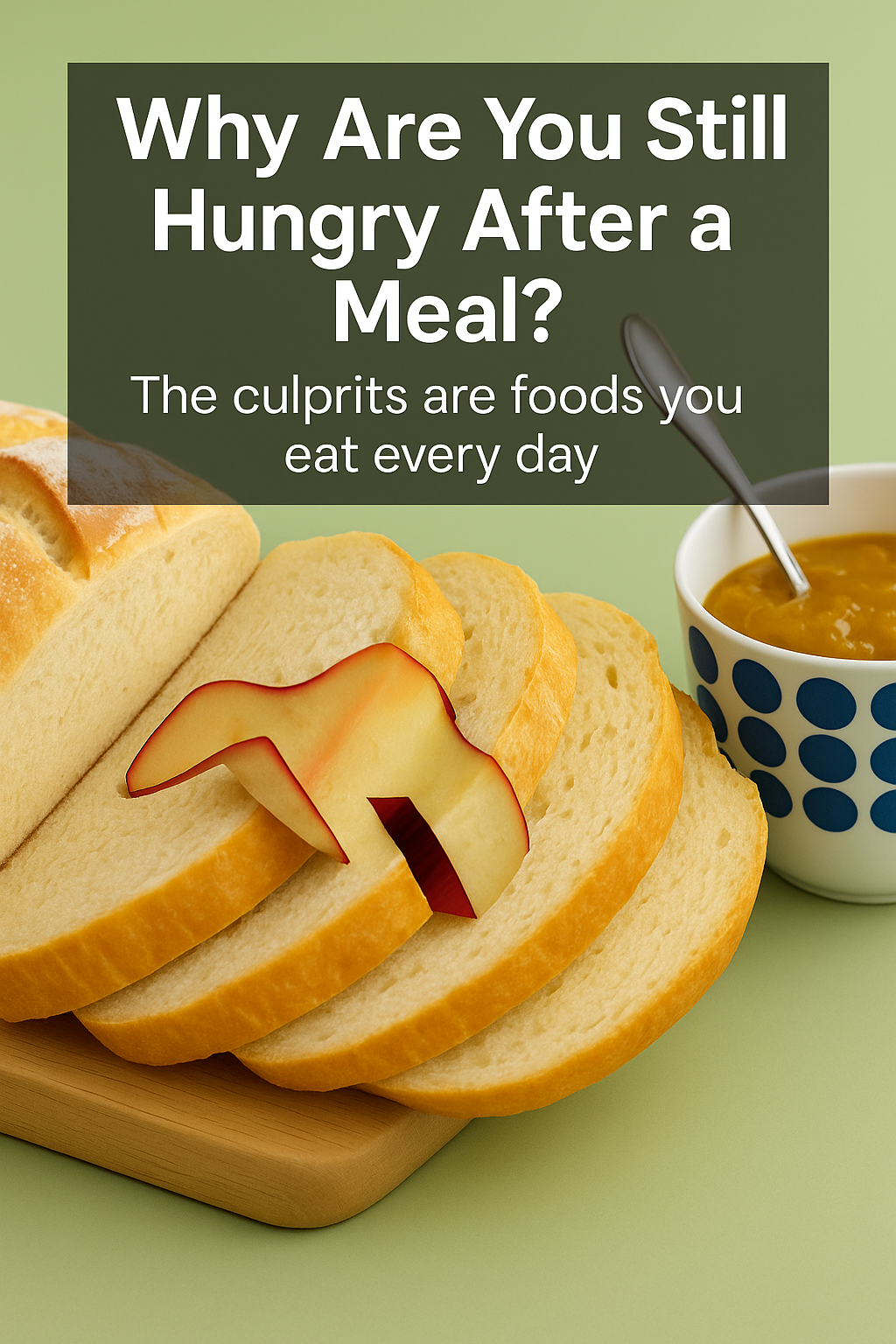
You've just finished lunch. Your plate is empty, the calories are in, and yet twenty minutes later you're standing in front of the fridge again. Sound familiar? White bread, juices, pasta and alcohol can increase your appetite instead of satisfying it. This isn't a coincidence. It's biology.
Back in 1995, researchers at the University of Sydney fed volunteers identical 240-calorie portions of 38 everyday foods and measured how full each one kept them. The results, published as "A Satiety Index of Common Foods" in the European Journal of Clinical Nutrition, were striking. The most filling food, boiled potatoes, was about seven times more satisfying than the least filling one, a croissant. Foods rich in protein, fiber and water kept people full, while fatty, highly palatable foods did not. In other words, the same number of calories can leave you either satisfied or still hungry, depending on what's on your plate.
A Chef Who Learned This the Hard Way
British chef Tom Kerridge, who runs a two-Michelin-star pub, knows this better than most. As he approached his 40th birthday he weighed close to 30 stone (around 190 kg). In a Good Morning Britain interview he explained that his approach was to cut out starchy foods and alcohol: no pasta, no bread, no rice, and no drinking. He added that his main problem with drinking wasn't the calories so much as the mindset, since it made snacking and "cheating" much more tempting. According to Hello! magazine, he lost around 12 stone and later moved toward a more balanced, long-term way of eating built around home cooking and less processed food.
You don't need to go to such lengths. But his story shows that the foods on the list below are often the first ones people notice once they start paying attention to why they're still hungry.
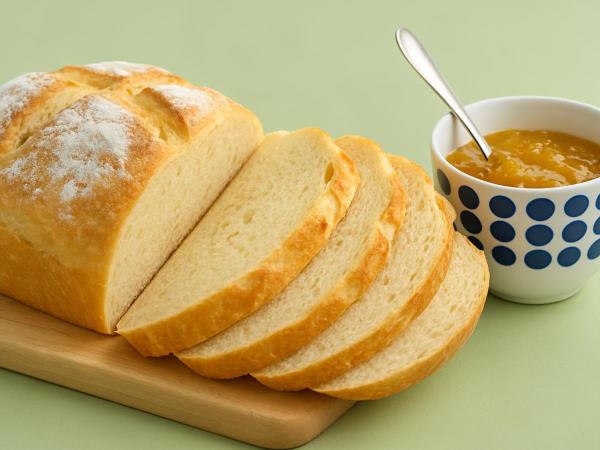
1. White Bread
Especially when it's fresh, warm, just out of the bakery... that kind of bread is hard to resist. White flour is made from wheat grains stripped of their outer layers, and it's precisely the bran that contributes much of the fiber that helps us feel full. Refined white flour is digested quickly, so blood sugar and insulin rise faster than they would with whole grain bread, and the signal that "you've had enough" tends to arrive later.
A large Spanish study from the University of Navarra's SUN project followed more than 9,000 university graduates for about five years. Published in BMC Public Health, it found that people who ate two or more portions of white bread a day were around 40% more likely to become overweight than those who ate it rarely. No such link was found for whole grain bread. It's worth noting that this is an association, not proof of cause and effect, but it fits well with what we know about fiber and fullness.
Bread itself isn't the enemy. It's more about the type and the amount. For a balanced look at daily portions, read our article Hello, and Fattening: Foods that Sabotage Your Diet.
2. Juices
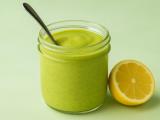
Thick fruit juices contain a lot of sugar and practically no fiber. When you drink a glass, you get a quick burst of energy, but within half an hour your blood sugar may start to drop, and hunger can feel even stronger because of that sudden dip. Your body then tells you to have another glass or to eat something substantial, even though you've just had a meal.
Researchers at Penn State University tested this directly. In a study published in the journal Appetite, 58 adults ate the same apple in different forms before lunch: as a whole apple, as applesauce, or as apple juice. The whole apple kept people fuller and led them to eat noticeably less at the following meal than either applesauce or juice. The Cleveland Clinic makes a similar point: a glass of apple juice can carry roughly as much sugar as several apples, but with almost none of the fiber, so the sugar reaches the bloodstream much faster.
And why are homemade juices a better choice? This mostly holds if you use unpeeled fruit and as many vegetables as possible, since vegetables add volume with less sugar, and peels and pulp retain some of the fiber. Still, even the best juice is no match for whole fruit. Interestingly, in the Penn State study, adding fiber back into juice didn't make it more filling, which suggests that chewing and the solid structure of fruit matter too. If you enjoy a morning glass, have it alongside a meal with some protein, and reach for whole fruit when you're actually hungry. Looking for fiber-rich ideas? See our article Fiber is the express train to your happiness.
3. Salty Snacks
Why do we eat salty snacks at all? It seems their only purpose is to help us pass the time. You can't really fill up on them. In the satiety index study mentioned above, potato crisps scored below white bread, meaning that calorie for calorie they were among the least filling foods tested. On top of that, salty snacks give you no lasting energy (have you ever seen an athlete cross the finish line and grab a bag of chips?). Many are also very high in salt, and the World Health Organization recommends that adults keep their salt intake below 5 grams a day, a limit that a large bag of crisps can take a real bite out of.
There's also a bigger picture. In a carefully controlled experiment at the U.S. National Institutes of Health, volunteers who ate a diet of ultra-processed foods consumed about 500 more calories a day than when they ate minimally processed meals, even though both diets were matched for sugar, fat, fiber and salt, and participants could eat as much as they liked. Salty packaged snacks are a textbook example of this kind of food: tasty, easy to eat quickly, and surprisingly unsatisfying. We have, in a way, invented a food that has little purpose beyond pleasure.
If you love something crunchy and savory, a handful of nuts is a much more filling option. Find more ideas in our article 3 tricks to never be hungry.
4. Alcohol
The more you drink, the hungrier you may get, even though at first it seems to be the other way around. A small study published in Clinical Endocrinology found that moderate amounts of alcohol lowered blood levels of leptin in healthy volunteers compared with drinking water. Leptin is a hormone that helps regulate feelings of fullness. Another controlled experiment, published in Physiology & Behavior, found that men who drank about four units of alcohol before lunch felt hungrier throughout the day, ate more at lunch (with a preference for fatty, salty foods), and did not make up for it by eating less at dinner.
Have you ever wondered how many calories are in beer? A regular 500 ml can of lager can easily contain around 200 calories. And wine? A standard 175 ml glass can contain around 150 to 160 calories, depending on the wine's strength. You can check typical values on the NHS page on calories in alcohol. These are figures comparable to a small chocolate bar, which we would frown at without a second thought. With alcohol, most of us don't even think about it. Add the snacks that tend to come with drinking, and the evening total adds up quickly.
5. Pasta
We need to be thoughtful about pasta. Not all pasta is the same, and the type makes a real difference. Regular white pasta is made from refined flour, and it is very easy to eat far more of it than you intended. In the Sydney satiety index, white pasta scored only slightly above white bread, while whole grain pasta was noticeably more filling and scored considerably higher.
Colored pasta deserves a closer look, too. Some get their color from vegetable powders such as spinach or tomato, while others rely on added colorings, but in most cases the base is still refined flour, so the color alone doesn't make it more filling. To feel as satisfied from pasta as you would from, say, a big plate of vegetables, you often need to eat considerably more of it. That's one reason pasta portions in restaurants are often so generous, sometimes several times larger than a standard serving.
The good news is that pasta can absolutely have a place on your plate. Choose whole grain varieties, keep the portion moderate, and pair it with vegetables and a source of protein such as legumes, fish or lean meat. That combination is far more satisfying than a big bowl of plain pasta. For more on foods that tend to leave us wanting more, read 4 biggest traps for the stomach, and to learn what happens when a meal gets out of hand, see When Pizza Becomes an Experiment: What Really Happens in the Body When You Eat Too Much?
How to Feel Fuller for Longer
The common thread in all five foods is simple: they are digested quickly, they lack fiber, protein or water, and they're easy to overeat. A few small habits can make a noticeable difference:
- Choose whole grain bread and pasta more often than white.
- Eat fruit whole instead of drinking it as juice.
- Include protein and vegetables in every main meal.
- Swap salty packaged snacks for nuts, vegetables or yogurt.
- Keep alcohol occasional and moderate, and be mindful of what you snack on while drinking.
Everyone's body responds a little differently, so notice which foods keep you satisfied. If you have a medical condition or specific dietary needs, a doctor or registered dietitian can help you find the approach that suits you best.
Information on this website is for educational purposes only and is not medical advice.
expert, nutritionist
 Would you like to be informed about news on the website?







|

