






10 Foods That May Help You Trim Belly Fat – You Almost Certainly Have One at Home
expert, nutritionist
Here is something most diet books will not tell you on page one: the most useful "fat-fighting" foods are not exotic powders or expensive supplements. They are sitting in your fruit bowl, your pantry and the bottom drawer of your fridge. A handful of almonds, a crisp apple before lunch, a bowl of bean soup: small, everyday choices like these can quietly change how full you feel, how much you eat, and, over time, what you see when you look at your waistline.
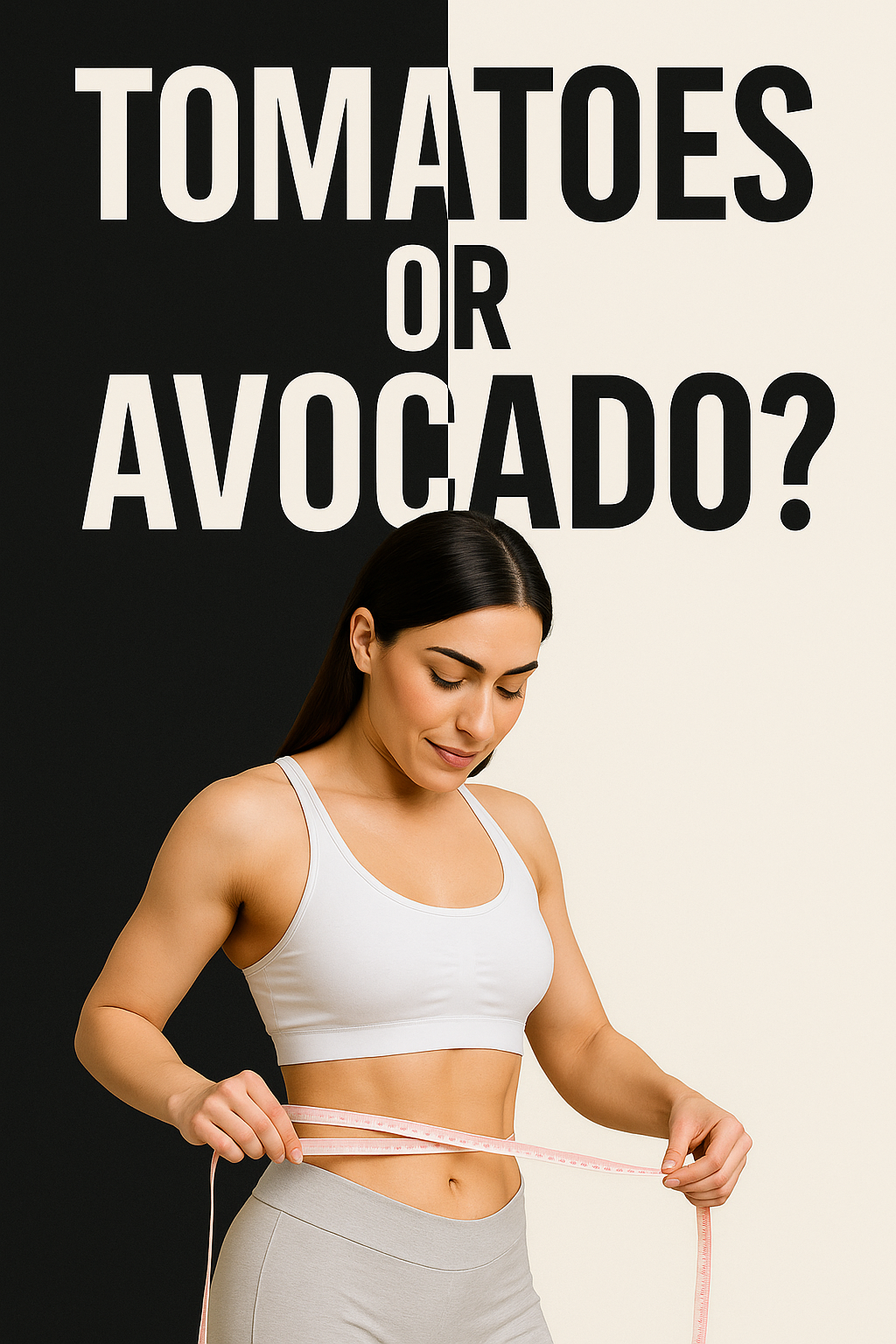
Few people have turned everyday eating into a professional tool as famously as Tom Brady. The seven-time Super Bowl champion played at the top level into his mid-forties, and his former private chef, Allen Campbell, explained in an interview with Boston.com that around 80 percent of what the family ate was vegetables and whole grains, including brown rice, quinoa and beans, with the rest coming from lean meat and fish. Brady's favourite "treat" became famous in its own right: an avocado ice cream made from avocado, raw cashews, coconut, dates and cocoa. Interestingly, Brady avoided tomatoes, a choice many nutrition experts, as reported by Fox News, did not consider scientifically necessary. You do not need an athlete's discipline to borrow the core of that idea: build your plate around whole, fibre-rich, minimally processed foods.
Before we get to the list, one honest note from a nutrition perspective: you cannot "spot reduce" fat from your belly alone. As the British Heart Foundation explains, excess fat around the middle is linked with a higher risk of cardiovascular disease and type 2 diabetes, and it is reduced through overall healthy habits rather than targeted tricks. The foods below support that process by keeping you full, providing valuable nutrients and replacing less helpful choices. If you are curious which "healthy-looking" foods can quietly work against you, read Hello, and Fattening: Foods that Sabotage Your Diet.
1. Almond Milk (and Almonds)
Almonds contain plenty of healthy fats that keep you feeling full for longer and help prevent overeating. They also support heart health, nourish muscles and help them recover. Almonds are a rich source of magnesium and fibre, too. It is always a good idea to keep almonds at home; a small handful a day makes an excellent snack.
A nutritionist's tip: most shop-bought almond milk contains only a small percentage of almonds, so it is low in calories but also lower in the fibre, protein and magnesium found in whole nuts. Choose an unsweetened version and enjoy whole almonds as well. In a controlled study published in the Journal of the American Heart Association, researchers from Penn State found that replacing a high-carbohydrate snack with a daily portion of almonds was associated with a reduction in abdominal fat and waist circumference as part of a cholesterol-lowering diet.
2. Watermelon
Watermelon is more than 90 percent water, which makes it one of the most refreshing low-calorie treats of summer. It provides vitamins B1, B6 and C, as well as magnesium and potassium, minerals that play a role in normal metabolism and fluid balance. Its high water content and natural sweetness make it a smart swap for sugary desserts.
To be accurate, watermelon is not a significant source of fibre; its filling effect comes mainly from water and volume. Some research suggests that compounds in watermelon, such as the amino acid citrulline, may support healthy blood vessels, and regular fruit consumption in general is associated with better heart health. Watermelon is also one of our top picks in Ideal food for vacation.
3. Beans
Beans support muscle health, improve digestion and are one of the best foods to include when you want to trim your waistline. They are packed with fibre and are among the best plant-based sources of protein. And one more thing worth highlighting: you can turn them into soup, salad, spreads and even dessert!
The science is encouraging. A systematic review and meta-analysis published in The American Journal of Clinical Nutrition found that people who included pulses (beans, chickpeas, lentils and peas) in their diet lost a modest amount of weight, even without deliberately cutting calories. The combination of protein and fibre helps you feel satisfied for hours. If beans make you feel bloated at first, increase the amount gradually and see our tips in Get Rid of Bloating and Excess Water.
4. Celery
Celery acts as a natural diuretic and is extremely low in calories. It contains fibre, calcium and vitamin C. Many readers enjoy half a glass (100 ml) of celery smoothie before lunch and dinner, saying it helps "wake up" their digestion and takes the edge off their appetite before a meal.
One reader from our community shared that swapping her afternoon biscuits for celery sticks with a spoonful of hummus was "the smallest change with the biggest effect": she stopped arriving at dinner starving. Celery also contains plant compounds such as apigenin and luteolin, which researchers are studying for their potential protective properties, although more human research is needed.
5. Cucumbers
Cucumbers are about 96 percent water and contain only around 15 calories per 100 grams, according to the USDA FoodData Central database. They have a mild diuretic effect, help you stay hydrated and provide small amounts of B vitamins and vitamin C. Thanks to their crunch and volume, they are one of the easiest ways to fill your plate without filling up on calories.
Add sliced cucumber to water, salads or yoghurt dips. When your body is well hydrated, it is also easier to tell real hunger from thirst.
6. Tomatoes
Tomatoes contain only about 18 calories per 100 grams, yet they are full of interesting compounds. Besides lycopene, which your body absorbs better from cooked tomatoes, especially with a little olive oil, tomatoes contain a compound called 9-oxo-ODA. Researchers at Kyoto University found in a laboratory study, published in Molecular Nutrition & Food Research, that this compound activates a receptor involved in fat metabolism and reduced fat accumulation in mouse liver cells. A related study in PLOS ONE reported that a similar compound from tomato juice lowered blood and liver triglycerides in obese mice.
These are early, animal-based findings, so they cannot promise the same effects in people, but they help explain why tomatoes are so valued in the Mediterranean diet. Tomatoes are also a good source of potassium, vitamin A and vitamin C. A practical habit: enjoy one raw tomato and one cooked tomato dish every day. Follow-up research from the same Kyoto team found these compounds are concentrated mainly in the peel, so do not peel your tomatoes.
7. Avocado
Avocado contains plenty of healthy monounsaturated fats and around 7 grams of fibre per 100 grams, a combination that helps keep you satisfied. It is often credited for its lecithin content, and laboratory studies have explored the antibacterial and antifungal properties of avocado extracts. In cosmetics, avocado oil is widely used to nourish and regenerate the skin.
A study from the University of Illinois, published in The Journal of Nutrition, found that women who ate one avocado a day as part of a meal for 12 weeks showed a favourable shift in the distribution of abdominal fat. Avocado is calorie-dense, though, so half an avocado is a sensible portion for most people.
8. Apples
Apples are one of the best natural sources of pectin, a soluble fibre that forms a gel in the digestive tract and can bind some fat and cholesterol. Apples also provide antioxidants and vitamin C, and a diet rich in fibre is associated with better colon health. Aim for at least one apple a day; two or three is even better.
Timing matters too. In a study by researchers at Penn State University, published in the journal Appetite, participants who ate a whole apple 15 minutes before lunch consumed about 15 percent fewer calories during the meal than those who ate nothing beforehand, and whole apples were more filling than applesauce or apple juice. Just be aware that apples can cause bloating in some people, as we explain in Food that makes you fat, even if it does not fatten.
9. Cherries
Cherries, especially tart cherries, have attracted researchers' attention for their possible effect on metabolic syndrome, a cluster of risk factors that includes increased abdominal fat and raises the risk of heart disease and type 2 diabetes. In a study from the University of Michigan, published in the Journal of Medicinal Food, obesity-prone rats fed tart cherries on a high-fat diet had less abdominal fat and lower markers of inflammation than rats that did not receive cherries. As ScienceDaily reported, the cherry-fed animals also had lower cholesterol and triglyceride levels.
The researchers themselves cautioned that animal results cannot be directly transferred to humans, but cherries are a delicious, antioxidant-rich fruit that many readers say simply puts them in a better mood. Frozen or dried unsweetened tart cherries are a great option outside the season.
10. Pineapple
This tropical fruit contains the enzyme bromelain, which has anti-inflammatory properties and helps break down proteins, supporting digestion. Pineapple is also a source of manganese, thiamine, copper, fibre, vitamin B6 and vitamin C. According to the National Center for Complementary and Integrative Health, bromelain is being studied for several uses, although the evidence is still limited.
Pineapple is often called one of the most effective "fat burners," but it is more accurate to say that it is a sweet, satisfying, lower-calorie alternative to desserts. Fresh pineapple is the best choice; juices and canned pineapple in syrup contain much more sugar.
The Bigger Picture: Habits That Help Every Food on This List Work
These ten foods work best as part of a simple daily routine: plenty of vegetables and fruit, legumes several times a week, a handful of nuts, enough water, regular movement and, surprisingly often overlooked, enough sleep. Research consistently links short sleep with weight gain around the middle, as we explain in When you sleep too little, your belly grows. And if you are looking for a gentle, realistic approach to eating less without feeling deprived, read Diet without dieting and 2 kg less per week.
Start with the food you already have at home. Chances are it is on this list.
Information on this website is for educational purposes only and is not medical advice.
expert, nutritionist
 Would you like to be informed about news on the website?







|

