






When the Pounds Creep Up for No Reason: 4 Everyday Things That Quietly Boost Your Appetite
expert, nutritionist
You haven't changed your diet, you haven't skipped your workouts, yet the scale keeps inching upward and you find yourself raiding the fridge an hour after dinner. Before you blame your willpower, consider this: some of the most ordinary things in your day, the effervescent tablet in your morning glass, the medicine in your bathroom cabinet, your new gym routine, and even the temperature of the room you sit in, may be quietly whispering "eat more" to your brain.
From vitamin tablets to cold weather, the body has evolutionary and biochemical reasons why, in certain situations, it seems to call out for food. Did you know about all four?
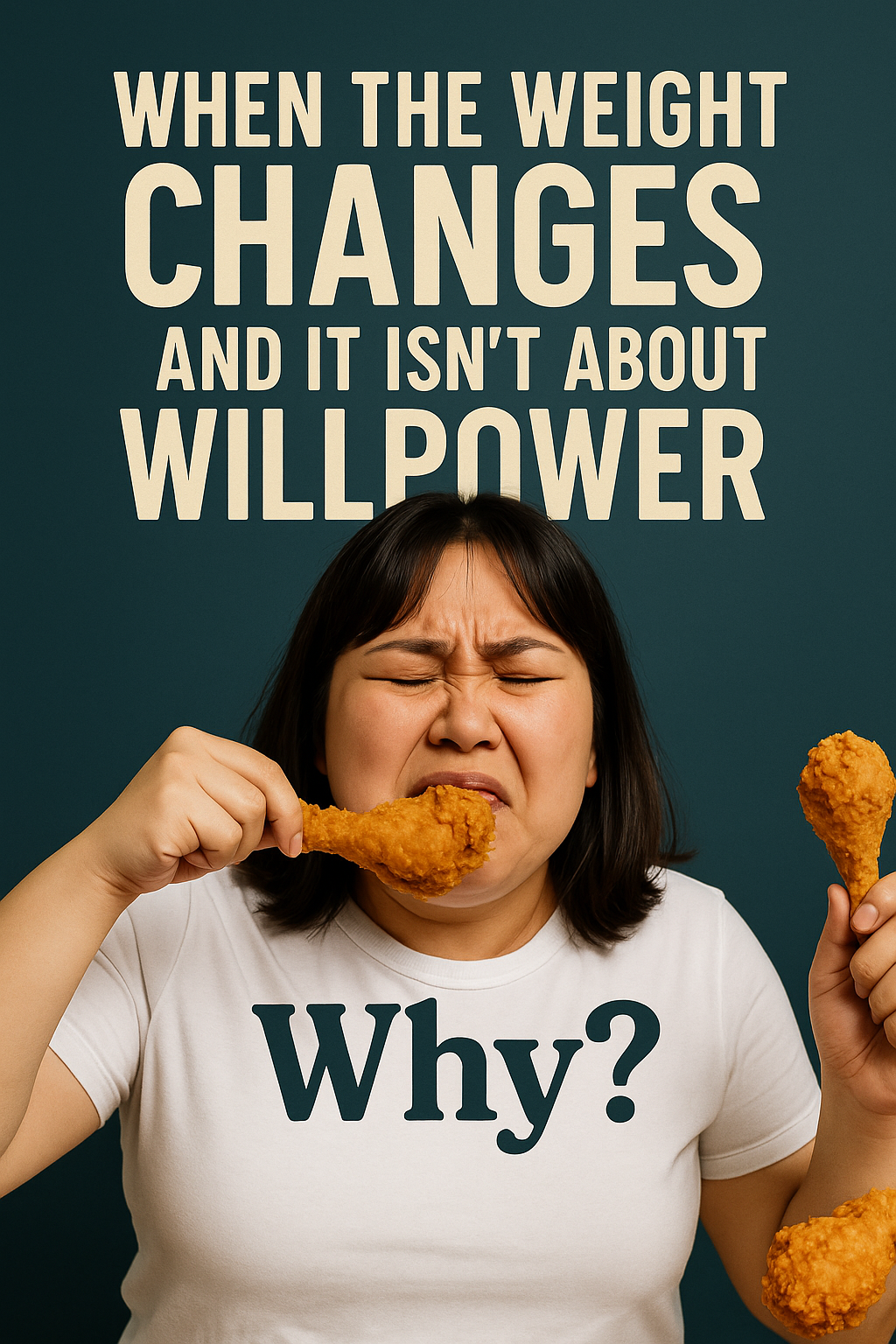
When the Weight Changes and It Isn't About Willpower
Singer and actress Selena Gomez knows this frustration first-hand. She has spoken openly about living with lupus and explained in an interview on the Giving Back Generation podcast that weight fluctuation is one of the side effects of the medication she has to take, describing it as something that changes from month to month and that she can't fully control (Good Morning America). Later, in a TikTok live, she added that while on the medication she tends to hold more water weight, and that her health comes first (DT Next).
Her story is a useful reminder: weight and appetite are shaped by far more than what is on your plate. A reader of ours shared a similar experience: "I started taking a daily fizzy multivitamin, joined a spin class and moved into an office with fierce air conditioning, all in the same month. I was starving all the time and couldn't understand why." Let's look at what may be going on.
1. Dietary Supplements and Flavor Enhancers
If you love effervescent tablets with vitamins and minerals, it's worth paying attention to how you feel after taking them. Some people notice they get hungrier or thirstier, although there is no solid scientific evidence that all such tablets directly increase appetite. What we do know is that many effervescent, soluble and dispersible products contain a surprising amount of sodium, which is used to create the fizz. A large study of more than 1.2 million UK patients, led by researchers at the University of Dundee and University College London and published in The BMJ (2013), found that regular use of sodium-containing effervescent, dispersible and soluble medicines was associated with higher cardiovascular risk and much higher odds of developing high blood pressure compared with standard versions of the same drugs. The researchers called for the sodium content of medicines to be clearly labeled, just like food (University of Dundee press release).
Extra salt tends to make us thirstier and can make salty snacks more tempting, which is one reason a "harmless" fizzy tablet might be worth a second look. Something similar may apply to other food additives, such as all-purpose seasoning blends, ready-made spice mixes, stock cubes and sauce enhancers. Their job is to make food taste more intense and more appealing, and the tastier a meal is, the easier it is to keep eating. As we described in When Pizza Becomes an Experiment: What Really Happens in the Body When You Eat Too Much?, people can easily eat considerably more in one sitting when food is highly palatable and served in larger portions.
Nutritionist's tip: Check the label of effervescent products for sodium content, consider swallowable forms if you take supplements daily, and season home-cooked meals with fresh herbs, garlic, lemon and spices instead of salty seasoning mixes. Also keep in mind that supplements are meant to fill genuine gaps, so it's wise to discuss long-term use with your doctor or pharmacist.
2. Medications
It's true that people react differently to medicines, but some medications we take for everyday complaints can have the side effect of increasing appetite or weight. According to the Mayo Clinic, weight gain is a possible side effect of nearly all antidepressants, although each person responds differently. Some appear more likely to cause it than others, including certain tricyclic antidepressants such as amitriptyline, paroxetine and mirtazapine. Interestingly, amitriptyline is also sometimes prescribed in low doses to help prevent recurring headaches and migraines, which may be why some people link headache treatment with a bigger appetite. Ordinary over-the-counter painkillers, on the other hand, are not generally associated with increased hunger.
The Mayo Clinic also points out that the medicine is not always the direct cause: when mood improves, a previously poor appetite may simply return. A well-known review in the International Journal of Obesity (Keith et al., 2006) listed certain medicines, including some antidepressants, antipsychotics, contraceptives and antihistamines, among the lesser-discussed factors that may contribute to rising body weight (University of Alabama at Birmingham).
Important: Never stop or change a prescribed medication on your own. If you notice a change in appetite or weight, talk to your doctor, who can weigh the benefits against the side effects and, if appropriate, suggest alternatives.
3. Your Fitness Routine
If you take regular care of your fitness, your body gets used to your exercise routine, and many people notice that any change to it, a new class, longer runs or heavier weights, is followed by a noticeably bigger appetite. In this way the body may be preparing itself for new challenges and demands. The good news is that the body tends to adapt quickly, and appetite usually becomes manageable again.
Science paints a nuanced picture here. Researchers at Loughborough University found that strenuous exercise tends to suppress appetite briefly during and shortly after a workout, an effect that usually fades within about half an hour (Deighton & Stensel, 2014 review). In another small study reported by HealthDay, women who created a calorie deficit through exercise ate noticeably less at a later buffet than women who created the same deficit by restricting food. At the same time, a study in the British Journal of Nutrition (Martins et al., 2007) suggested that after six weeks of regular moderate exercise, previously inactive volunteers became better at matching what they ate to what they needed. In other words, the "hungry phase" often seems to be temporary, and people differ a lot in how they respond.
Nutritionist's tip: Plan a post-workout snack that combines protein and fiber, such as Greek yogurt with berries or a slice of wholegrain bread with eggs, so hunger doesn't catch you off guard. And be careful about "rewarding" yourself: some foods trigger even more hunger, as we explained in 4 biggest traps for the stomach and Hello, and Fattening: Foods that Sabotage Your Diet.
4. Cold Weather (and Air Conditioning)
It is often said that since ancient times people ate more when the weather turned cold, and that this is an evolutionary reflex that's hard to escape. The idea is that the body wants extra energy reserves to help keep its temperature stable through winter. When it's cold, the body does use a little more energy to keep us warm, and for some people appetite rises accordingly, as nutrition experts explain in The Conversation and WebMD.
However, the picture is more complex than temperature alone. Nutritional neuroscientist Timothy Frie told Fox News that winter appetite changes may be driven more by shorter days, less daylight and a disrupted body clock than by the cold itself, and that the evidence for cold directly raising hunger hormones is suggestive rather than definitive. Less light can also affect mood and serotonin, which may explain why so many of us crave carbohydrate-rich comfort food in the darker months. Sleep plays a role too, as we wrote in When you sleep too little, your belly grows.
We should add that something similar may happen in summer, when we walk from the heat into an overly air-conditioned room. Some people notice they suddenly feel peckish in a chilly office. Researchers have also looked at the opposite side of the coin: the review in the International Journal of Obesity suggested that spending most of our time in a constant "comfort zone" temperature, thanks to heating and air conditioning, means the body no longer needs to spend energy keeping warm or cool, which could be one of many small contributors to weight gain. A research team at UCL explored this further in Obesity Reviews (2011), concluding that the idea is biologically plausible but still needs more research. So, with a wink: perhaps air conditioners can contribute to a few extra pounds, but they are far from the main culprit.
Nutritionist's tip: In cold months, choose warming meals that are filling but lighter, such as vegetable soups, stews with legumes and baked root vegetables. Spices like chili, ginger and black pepper add warmth and flavor, and researchers at Penn State University have reported that spicy dishes may help people eat a little more slowly (Fox News). A warm drink can also help; for a cozy idea, see Warm Water with Turmeric Against Winter Troubles. And since we tend to drink less in winter, remember that thirst is easily mistaken for hunger.
What You Can Do: A Quick Checklist
- Read labels: Check the sodium content of effervescent supplements and seasoning mixes.
- Talk to your doctor: If a medication seems to affect your appetite, discuss it openly rather than stopping it yourself.
- Give your body time: After changing your training routine, expect a short adjustment period and plan nourishing snacks.
- Get daylight: A daily walk outside in winter may help both your mood and your body clock.
- Mind the thermostat: Dress in layers and avoid extreme air conditioning where you can.
- Drink water first: When hunger strikes unexpectedly, try a glass of water and wait a few minutes.
The Bottom Line
Unexplained hunger rarely has a single cause. Supplements, medications, a new fitness routine and the temperature around you may each play a small role, and together they can add up. The good news is that once you know about these hidden triggers, you can respond with awareness rather than guilt. Listen to your body, make small adjustments and, if weight changes persist without a clear reason, it's always a good idea to check in with your doctor.
Information on this website is for educational purposes only and is not medical advice.
expert, nutritionist
 Would you like to be informed about news on the website?















|

