






7 Cheap Foods That Are True Nutritional Treasures – You’ll Find Them in Every Store
expert, nutritionist
What if the healthiest items in your shopping cart were also the cheapest? While “superfoods” with exotic names and premium price tags fill social media feeds, some of the most nutrient-dense foods on the planet sit quietly on the bottom shelves of every supermarket – often costing less than a cup of coffee per serving.
British chef Jamie Oliver has built entire TV series around this idea. In Jamie’s Money Saving Meals and later in Keep Cooking and Carry On, filmed during the 2020 lockdowns, he showed viewers how to turn humble cupboard staples – tins of beans and fish, lentils, eggs, oats and rice – into satisfying family meals. His message was simple: with a little creativity, a modest budget and a well-stocked pantry, anyone can eat nourishing food every day.
Many of our readers say the same thing. One reader told us that when her household budget got tight, she started buying lentils, oats and tinned fish in bulk – and was surprised to find that her meals became not only cheaper, but more varied and filling than before.
With that in mind, here are some relatively inexpensive foods you can buy at any time of year, and whose prices don’t depend on the seasons. They have high nutritional value and are extremely versatile – from desserts and main dishes to salads, and from breakfast to dinner.
1. Lentils
Lentils are high in fiber, packed with plant protein and wonderfully versatile. You can use them to make soups, salads, stews, dips and vegetarian burgers. According to USDA FoodData Central, one cup of cooked lentils provides around 18 grams of protein and more than 15 grams of fiber, along with folate, iron and potassium.
Lentils belong to the pulse family, which the Food and Agriculture Organization of the United Nations (FAO) celebrated with a dedicated International Year of Pulses because of their nutritional value, affordability and low environmental footprint. The Harvard T.H. Chan School of Public Health also highlights legumes as an excellent, budget-friendly alternative to meat. A practical bonus: red lentils cook in about 15–20 minutes and need no soaking.
2. Canned Beans
Beans are also incredibly versatile – people even make desserts such as brownies from them. They contain plenty of protein and fiber, and among minerals, iron deserves a special mention. Iron plays a role in carrying oxygen through the body, so if you often feel tired and low on energy, it may be worth checking whether your diet includes enough iron-rich foods such as beans (and talking to your doctor if the tiredness persists).
Keep in mind that iron from plant foods is absorbed less easily than iron from meat. The good news is that pairing beans with foods rich in vitamin C – peppers, tomatoes, lemon juice – can noticeably improve absorption. We explain this in more detail in our article Foods That Improve Nutrient Absorption. One more tip: drain and rinse canned beans before use, as this reduces their salt content.
3. Canned Fish
Of course, fresh tuna, salmon and similar specialties are better, but canned fish also contain quite a few beneficial nutrients – above all, healthy fats. Canned sardines, mackerel and salmon are good sources of omega-3 fatty acids and protein, and sardines eaten with their soft bones also provide calcium. The American Heart Association recommends eating fish about twice a week as part of a balanced diet.
You can use canned fish as an addition to pasta or sandwiches, but the best combination is with fresh vegetables in a salad. When choosing tuna, the U.S. Food and Drug Administration (FDA) advises that canned light tuna is generally lower in mercury than albacore, which is particularly relevant for pregnant women and young children. Where possible, choose fish packed in water or olive oil.
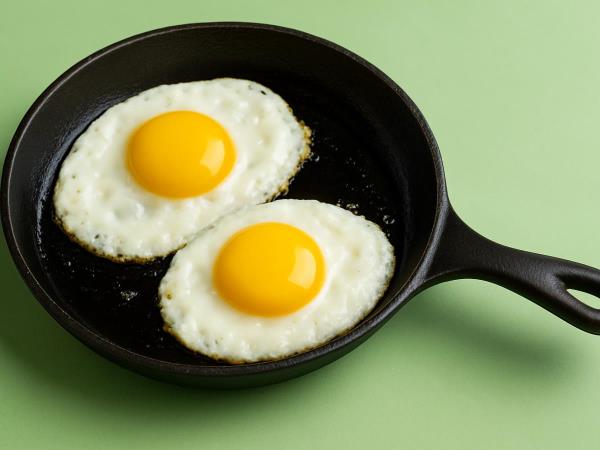
4. Eggs
Eggs can be prepared in a thousand ways, and their nutritional value is remarkable. They provide high-quality protein, vitamin B12, choline, and are one of the few natural food sources of vitamin D. A review published in the journal Nutrients notes that the effect of dietary cholesterol from eggs on blood cholesterol varies from person to person, and the Harvard Nutrition Source considers moderate egg consumption compatible with a healthy diet for most people.
Eggs can also be a source of omega-3 fatty acids – especially eggs from hens fed with flaxseed or those raised outdoors. Are more expensive eggs of better quality? Often they are, particularly when it comes to how the hens were raised. The color of the yolk mainly reflects the hen’s diet, so a deep orange yolk usually means the hen had access to greens, corn or other natural pigments. If you have a chance to get eggs from a local farm, don’t miss the opportunity. And to make sure your eggs are always fresh, try the simple water test described in How to Recognize Fresh Foods.
5. Bananas
The great advantage of bananas is that they are available all the time. A single banana costs just a few tens of cents, which – given what we get – makes it one of the cheapest and most valuable foods around. Bananas are filling, easy to carry, need no preparation and are a natural source of energy before or after exercise.
They also offer potassium, vitamin B6, vitamin C and fiber. The Harvard Nutrition Source points out that bananas were once promoted by doctors as one of the first “health foods” for children. Slightly green bananas also contain resistant starch, a type of fiber that feeds beneficial gut bacteria. But are bananas really the best source of potassium? The answer may surprise you – find out in Bananas and Potassium: A Myth That Needs to Be Broken Down.
6. Oat Flakes
Believe us, there are few breakfasts as wholesome as oatmeal. Oats contain plenty of fiber, protein and a whole range of minerals, including magnesium, zinc and iron. They support healthy digestion and help you feel full for longer, which can make it easier to avoid snacking before lunch.
Their special ingredient is beta-glucan, a soluble fiber. The European Food Safety Authority (EFSA) has approved a health claim that oat beta-glucan contributes to maintaining normal blood cholesterol levels when consumed as part of a varied diet. You can read more about their benefits on the Harvard Nutrition Source oats page. Choose plain rolled or steel-cut oats rather than sweetened instant varieties, and make sure you never run out of oat flakes.
7. Brown Rice
Brown rice is more nutritious than white rice, and many people find it tastier, with a pleasant nutty flavor. Because it keeps its bran and germ, it contains more fiber, magnesium and B vitamins. Its fiber supports regular digestion and healthy bowel function. The Harvard Nutrition Source recommends choosing whole grains like brown rice over refined grains whenever possible.
When you’re thinking about a side dish, try choosing brown rice more often – it’s a great way to add variety and more fiber to your plate. That said, potatoes aren’t the enemy either: boiled or baked with their skins, they are a good source of potassium and vitamin C. The problem usually lies in how they are prepared, as we explain in Foods We Use Incorrectly. A practical tip from the FDA: rice can contain traces of arsenic, so it’s wise to rinse it, cook it in plenty of water and vary your grains with oats, barley, quinoa or millet.
Eating Well on a Budget Is Easier Than You Think
These seven foods show that a healthy diet doesn’t depend on expensive products or trendy ingredients. Combine them wisely – lentils with vegetables, beans with peppers and lemon, oats with bananas, brown rice with canned fish and a fresh salad – and you’ll have tasty, filling meals that are kind to both your body and your wallet. As the World Health Organization reminds us, a varied diet rich in legumes, whole grains, fruit and vegetables is the foundation of good health.
Information on this website is for educational purposes only and is not medical advice.
expert, nutritionist
 Would you like to be informed about news on the website?













|

