





Why Are Millions of People Eating Oranges in the Shower? The Viral Trend with Real Science Behind It
expert, nutritionist
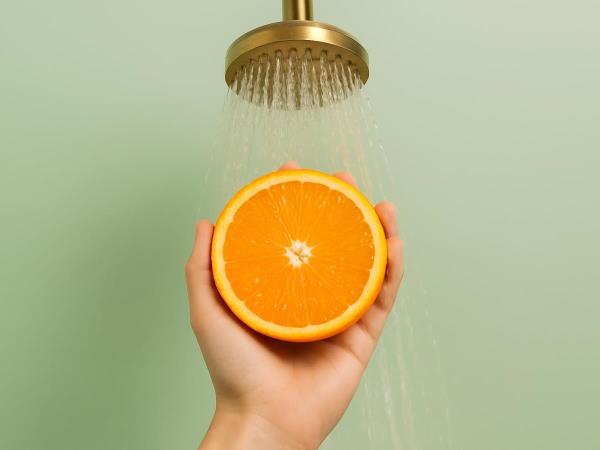
Picture this: hot water, rising steam, and a cold, juicy orange in your hands. You dig your thumb into the peel, and a burst of bright, sweet citrus fills the whole shower. For a growing number of people, this is the best two minutes of the day. It sounds almost silly at first. Who eats fruit while the water is running? But look a little closer and the practice makes more sense than you might think. It brings together old folk wisdom about citrus, modern research on scent and relaxation, and the practical realities of everyday life.
One registered dietitian from Chicago described her first encounter with the trend to HuffPost. She saw a short video of someone peeling an orange in a steamy shower, with mellow music and no explanation at all. She said she could almost smell the citrus through the screen and decided she had to try it. When she did, she noticed that the steam made the scent far more intense than it ever was in her kitchen, and she left the shower feeling more awake and energized. She also suggested a small bonus: finishing with a short blast of cool water. A writer for Apartment Therapy tried it on a gloomy winter evening and described the experience as calming and mood-boosting at the same time. Not everyone is converted, though. A reviewer at Cheapism admitted the orange smelled lovely but didn't deliver any dramatic transformation. That is a useful reminder that this is a pleasant ritual, not a miracle.
From Reddit and TikTok to Real Bathrooms
Most people discovered the trend on TikTok, where users began filming themselves eating oranges under the shower. But the idea is older than it looks. It has been traced back to a 2015 post on Reddit, where someone described eating an orange in the shower as one of the most liberating, feel-good experiences imaginable. That post inspired a dedicated community, r/ShowerOrange, which has grown to tens of thousands of members. The trend then exploded on TikTok around 2023. Comments soon followed, such as: "This is my new favorite thing," "Ever since I started doing this, I feel like a different person," and "If you haven't eaten an orange in the shower yet, you absolutely have to try it."
Although it started as a bit of fun, many wellness experts point out that a simple ritual like this may help people unwind. It is similar to treating yourself to a sauna session or adding a few drops of essential oil to a hot bath. Here, too, the scent of citrus and the warm steam work together to create the feeling of a little home spa.
Why an Orange?
Oranges are among the most popular fruits in the world. According to data from the Food and Agriculture Organization of the United Nations (FAO), global orange production is roughly 75 million tonnes a year. Oranges are rich in vitamin C and fiber, and their peel contains natural aromatic oils with a strong, uplifting scent. The main compound in these oils is limonene, which gives oranges their unmistakable fresh fragrance.
A medium orange provides roughly 70 mg of vitamin C, which covers most of an adult's daily needs, according to the National Institutes of Health Office of Dietary Supplements. Vitamin C is not only important for the immune system. It also helps the body absorb iron from plant foods, supports the formation of collagen for healthy skin and tissue, and acts as an antioxidant. Put simply, free radicals are unstable molecules that can damage cells over time, and antioxidants such as vitamin C help to neutralize them. If you want to learn more about pairing vitamin C with other foods, read our article Foods That Improve Nutrient Absorption.
Why Does the Scent Feel So Much Stronger in the Shower?
When you stand under hot water, the air fills with warm, moist steam. When you peel the orange, tiny droplets of aromatic oil burst from the peel. Warmth helps these fragrant molecules evaporate, and the humid, enclosed space of the shower holds them close to your nose. That is why the fruit smells much more intense than it does in the kitchen. The taste seems stronger too, because much of what we experience as "flavor" actually comes from our sense of smell.
It is a similar effect to aromatherapy with essential oils. People have known for centuries that scent can influence mood, and citrus aromas are widely associated with cheerfulness, warmth and energy.
No More Sticky Hands
Anyone who has ever eaten a really juicy orange knows that the juice loves to run down your hands, onto your clothes and across the table. Eat it in the shower, and that problem disappears. You simply rinse your hands as you go. Nothing is sticky, and nothing drips onto the floor. This very practical reason helps explain why the trend went viral so quickly.
Oranges in Folk Wisdom
In folk traditions, citrus fruits have long been regarded as fruits that bring strength and good cheer. In many parts of Europe, grandmothers would often say that a child who was sad or low on energy should eat an orange or drink a glass of lemonade.
Herbalists say that the scent and taste of citrus "wake up" the body. Orange peel was traditionally dried and added to herbal teas meant to calm the nerves and settle the stomach. In traditional Chinese medicine, dried tangerine peel is known as chenpi and has been used for centuries to support digestion and relaxation.
The Science of Citrus and Stress
Research is beginning to explore what people have sensed for a long time. In a well-known study published in Physiology & Behavior in 2005, researchers from the Medical University of Vienna studied 200 patients waiting for dental treatment. Compared with a control group, patients exposed to the ambient scent of orange or lavender reported less anxiety and a better mood.
A 2012 study published in the Journal of Alternative and Complementary Medicine tested sweet orange essential oil on healthy volunteers placed in a stressful situation. Participants who inhaled the orange aroma showed more stable anxiety levels than the control groups. The authors noted that more research is needed but described the result as an encouraging sign of a calming effect.
The stress hormone cortisol has also been studied. A small randomized trial published in Advanced Biomedical Research in 2013 found that children undergoing dental treatment with orange aroma in the room had lower salivary cortisol and a lower pulse rate than during treatment without any scent.
These studies were small and focused on scent in specific settings, not on eating oranges in the shower. Still, they suggest that the pleasant, calming feeling many people describe is not purely imagined. There seems to be more to it than just a fashion fad.
Part of the Modern Wellness Movement
After the COVID-19 pandemic, interest grew worldwide in small rituals that bring a sense of safety and relaxation. People looked for ways to create a feeling of wellness at home, from aromatherapy and meditation to cold plunges.
The shower orange fits perfectly into this movement, because it is simple, inexpensive and available to almost everyone.
Oranges and a Good Night's Sleep
Many people enjoy a shower orange in the evening as part of winding down. Oranges contain small amounts of tryptophan, an amino acid the body uses to produce serotonin and melatonin, the hormone that helps regulate sleep. The amount in an orange is modest, much lower than in milk or nuts. Even so, a light, fresh snack combined with a warm shower and a calming scent can be a pleasant signal to the body that the day is coming to an end.
Research on fruit and sleep is still limited. One of the few clinical studies, published in the Asia Pacific Journal of Clinical Nutrition, looked at kiwifruit rather than oranges. Adults with sleep problems who ate two kiwis an hour before bed for four weeks reported falling asleep faster and sleeping longer. There is no comparable study on oranges yet, so the best approach is to see how your own body responds. Sleep matters for much more than rest. Read why in our article When you sleep too little, your belly grows – and you won't even notice this on the scale.
What Do Health Experts Say?
Many doctors and dietitians point out that eating oranges is beneficial anywhere, not just in the shower. More important than the ritual itself is eating fruit regularly, because most people still eat too little fresh produce. The World Health Organization recommends at least 400 grams of fruit and vegetables a day.
So a shower orange is a fun and pleasant way to increase your fruit intake. But the key is to include citrus in your everyday diet, whether as a snack, in salads, smoothies or fresh juices.
A few sensible precautions: citrus juice and peel make shower floors slippery, so rinse them away as you go and stand steady. If you take prescription medication, note that grapefruit and some bitter oranges, such as Seville oranges, can interact with certain drugs, as explained by the Mayo Clinic Health System. If you are unsure, check with your pharmacist or doctor. And avoid getting citrus juice in your eyes.
How to Try It Yourself
If you want to try the trend, choose a ripe orange, step into a warm shower and peel it. Relax, breathe in the scent of the peel and take a bite of the juicy fruit. Easy-peel varieties like mandarins or clementines make it even simpler. For an extra kick, you can finish your shower with a few seconds of cool water. Many people say this adds to the feeling of freshness and energy.
Don't forget that you can try the same thing with a lemon, grapefruit or mandarin. Each citrus fruit has its own character, but all of them are rich in vitamin C and aromatic oils.
A Small Ritual, a Brighter Mood
Eating an orange in the shower may seem strange at first glance, but it actually brings together several good things: the nutritional value of fruit, the power of citrus scent, practicality, and a sense of relaxation.
At a time when so many people are dealing with stress, every small ritual that reminds us to enjoy simple moments is valuable. The shower orange is cheap, accessible, and for many people it is a lovely way to brighten the day. Why not give it a try tomorrow morning?
Information on this website is for educational purposes only and is not medical advice.
expert, nutritionist
 Would you like to be informed about news on the website?














|

