





No-Sugar Banana Ice Cream: The Freezer-and-Immersion-Blender Trick That Actually Works
expert, nutritionist
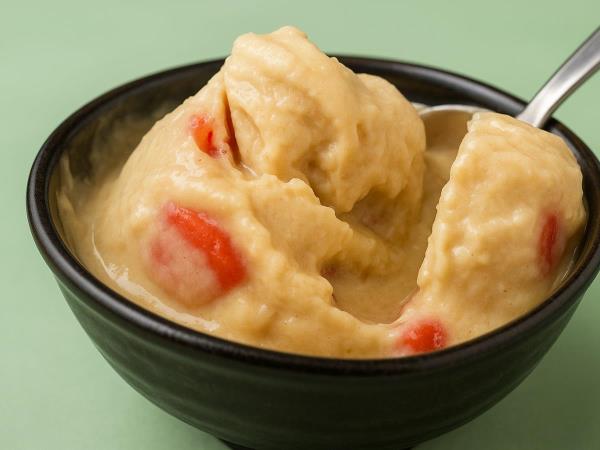
There is a particular kind of kitchen magic in watching two hard, frostbitten bananas turn into something that looks and scoops like soft-serve. No ice cream maker, no cream, no spoonful of sugar — just fruit, a splash of water, and a stick blender. It sounds like a diet-culture gimmick. It isn't. It's really just what happens to a banana's starches and natural sugars once they're frozen solid and then broken down mechanically.
Frozen banana "nice cream" has quietly become one of the most shared better-for-you dessert tricks of the last decade, popping up across home-cooking blogs and video recipes worldwide. Home cooks who were skeptical the first time — certain that fruit alone couldn't mimic real ice cream — describe being won over within one bite, with several noting that their kids couldn't tell the difference from the real thing. That's really the whole appeal: a dessert that tastes indulgent while being, at its core, whole fruit.
Why Frozen Bananas Behave Like Ice Cream
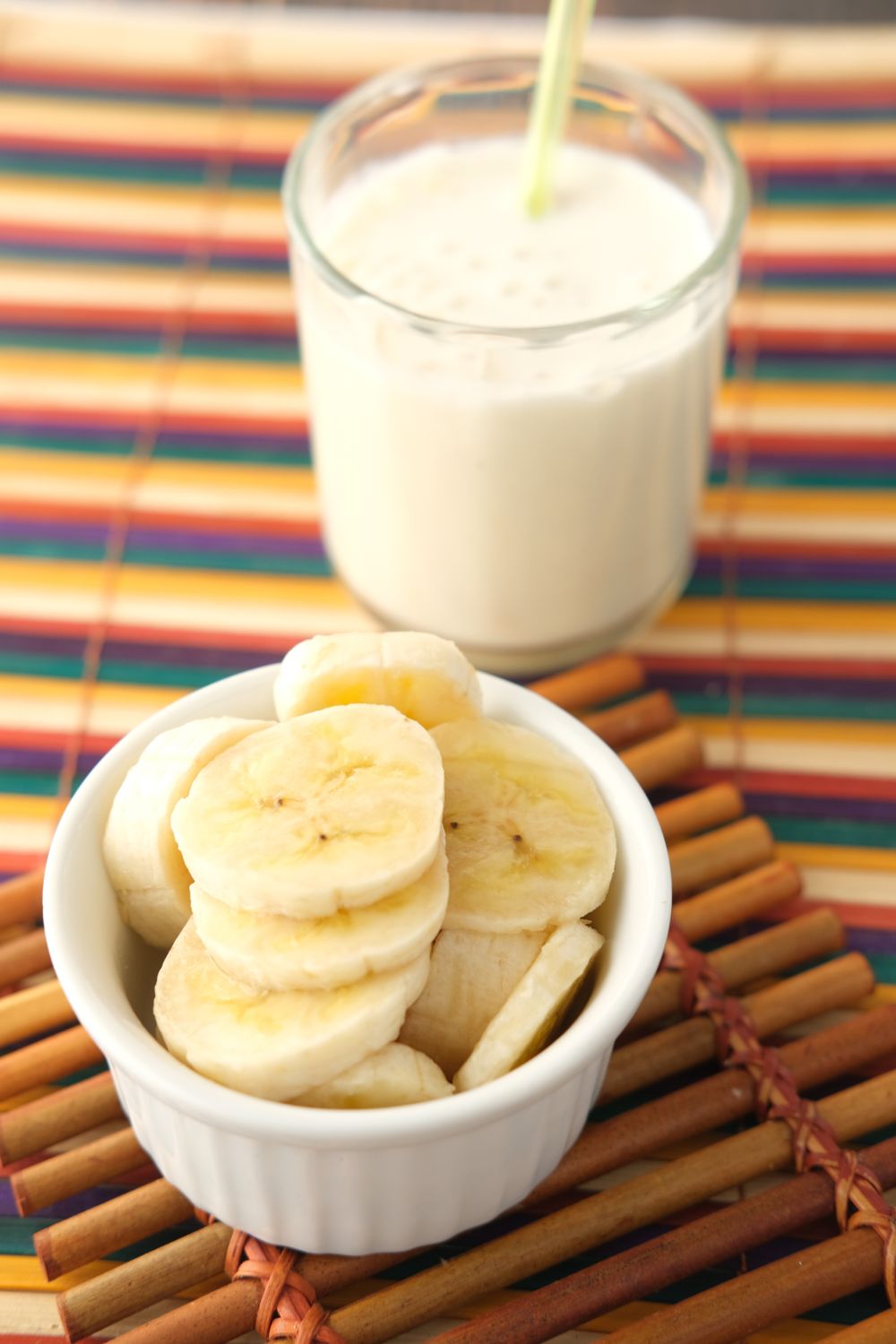
The trick isn't really a trick at all — it's food science. Bananas are naturally rich in pectin and starch, and when the fruit is frozen and then blended, the ice crystals break the cell walls down into a smooth, dense pur{-15447}e that mimics the texture of soft-serve remarkably well. Harvard's Nutrition Source notes that ripening changes a banana's starch into more readily available sugars, which is part of why a very ripe banana makes an especially sweet, creamy base without needing any sweetener added.
That matters for anyone keeping an eye on added sugar. Health organizations generally suggest keeping added sugar intake modest as part of an overall balanced diet — the American Heart Association, for instance, recommends most adults keep added sugars well under the amount found in a typical can of soda. A dessert built entirely from frozen fruit sidesteps that conversation almost entirely, since none of the sweetness comes from a bag or bottle.
What Goji Berries Bring to the Bowl
The second star of this recipe, goji berries, are small dried red berries traditionally used in East Asian cooking and, more recently, embraced in the West as a "superfood" snack. According to Healthline, they're a source of vitamins A and C, fiber, and antioxidant compounds. One area of particular scientific interest is their unusually high natural content of zeaxanthin, a plant pigment linked to eye health. A randomized pilot study published in the peer-reviewed journal Nutrients found that healthy adults who ate a small daily serving of goji berries for 90 days saw measurable increases in a marker associated with eye-protective pigment — you can read the full study here. It's worth noting this was a small, preliminary trial, and goji berries are best thought of as one pleasant part of a varied diet rather than a stand-alone remedy for anything.
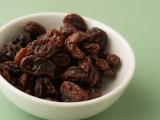
If goji berries aren't in your pantry, this recipe is forgiving — raisins or any other chopped dried fruit work just as well as a chewy, tangy contrast to the creamy banana base.
A Quick Word on Bananas and Potassium
Bananas are often billed as the ultimate potassium food, but that reputation is a little inflated. As explored in Bananas and Potassium: A Myth That Needs to Be Broken Down, an average banana actually contains less potassium than a baked potato, cooked spinach, or a serving of Swiss chard. None of that makes bananas a poor choice — they're still a convenient, tasty source of fiber, vitamin B6, and vitamin C, as detailed by Healthline's nutrition breakdown — it's just worth keeping expectations realistic rather than treating any single fruit as a nutritional cure-all.
The Recipe
Ingredients
- 3 bananas
- 50 g goji berries
- 200 ml (about ¾ cup) lukewarm water
Instructions
- Peel the bananas and break them into chunks. Place the pieces in a freezer bag or container and freeze for about one hour.
- Meanwhile, soak the goji berries in the lukewarm water until they soften and plump up.
- Take the bananas out of the freezer and blend them in a suitable container with an immersion (stick) blender until you get a thick, creamy mass.
- Gently squeeze the goji berries to remove excess water, pat them dry on a paper towel or cloth, and fold them into the banana mixture.
- Enjoy immediately as soft-serve, or spoon it into small containers and freeze for later.
Notes and Variations
No goji berries on hand? Raisins or any other dried fruit, chopped small, work just as well. For a more indulgent finish, a swirl of sweetened whipped cream or a drizzle of fruit or chocolate sauce turns this into a proper dessert-table treat.
Information on this website is for educational purposes only and is not medical advice.
expert, nutritionist
 Would you like to be informed about news on the website?





|

