





The Kitchen Spice Scientists Can't Stop Studying: What Oregano Oil Can (and Can't) Do
expert, nutritionist
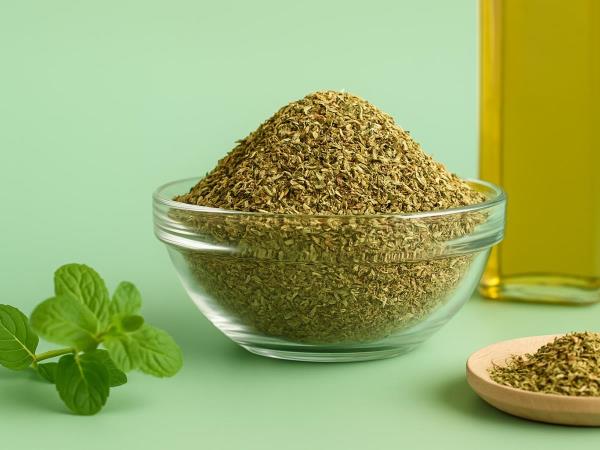
You probably have it in your spice rack right now. Oregano — the herb sprinkled over pizza and pasta without a second thought — contains an essential oil that microbiologists have been quietly obsessing over for the past decade. Not because of a marketing campaign, but because of what keeps turning up under the microscope: bacterial cell walls breaking down, drug-resistant "superbugs" dying off, and lab-grown cancer cells losing their defenses. None of this means oregano oil is medicine you can buy at the pharmacy yet. But it's enough that researchers keep going back to it.
How the Story Started — on a Cancer Forum, Not in a Lab
Long before scientists took a serious interest, the story began with worried patients swapping notes online. In a widely shared post on the BreastCancer.org community forum, a Canadian man described his wife's liver cancer, a string of difficult diagnoses, and how, after trying oregano oil alongside her prescribed treatment, her tumor markers dropped noticeably. He was careful to say her disease itself hadn't been cured — but the change was enough that he asked if anyone else had seen something similar.
Several people who identified themselves as physicians replied, pointing out that carvacrol — oregano oil's main active compound — appears to interact with some of the same cellular pathways targeted by certain chemotherapy drugs, which could explain a synergistic effect. It's worth being clear: this is a forum observation, not a clinical finding, and stories like this shouldn't be read as evidence that oregano oil treats cancer. But it's part of why researchers started paying closer attention, and in the years since, that curiosity has produced real published research — including studies showing carvacrol has measurable antimicrobial, antioxidant, and anticancer activity in lab settings.
Weeks later, the same forum user posted an update: his wife's cancer was in remission. Whether oregano oil played any real role in that outcome isn't something a single anecdote can establish — but it's the story that got people asking questions.
Beyond Cancer Research: Bacteria That Shouldn't Be Beatable
The more consistent research findings aren't about cancer at all — they're about infection. On the same forum, another user described her husband contracting MRSA, a staph infection notorious for resisting most antibiotics, and said his symptoms improved after he started taking oregano oil. Again: one person's experience, not a substitute for antibiotic treatment prescribed by a doctor.
But it lines up with what's actually been measured in labs. A study on multidrug-resistant clinical bacteria found that oregano oil effectively killed MRSA and other drug-resistant strains in vitro, visibly damaging their cell walls under the microscope. More recent research published in Frontiers in Pharmacology found that carvacrol combined with a common antibiotic improved survival in mice infected with MRSA, suggesting it may work well alongside conventional treatment rather than as a replacement for it.
Some of the more unexpected research is happening on farms rather than in hospitals. Because antibiotic resistance is a growing concern in livestock, several agricultural studies have tested oregano oil as a feed additive for poultry, with promising early results for gut health — a very different application, but part of the same broader interest in reducing antibiotic dependence.
Meet Carvacrol, the Compound Doing the Work
The molecule researchers keep coming back to is carvacrol, the main active compound in oregano essential oil. Under lab conditions, it disrupts bacterial cell membranes in a way that makes it harder for bacteria to develop resistance — unlike many antibiotics, which bacteria can eventually adapt around. A 2024 chemical analysis found that carvacrol typically makes up 76–86% of oregano essential oil, depending on where the plant is grown, and that this concentration correlates directly with antimicrobial strength.
If you're buying oregano oil, that carvacrol percentage is the number worth checking on the label — most reputable products list it, and oils diluted below roughly 60% carvacrol tend to show little to no measurable antimicrobial effect in lab testing. Third-party tested oils are worth prioritizing over unverified ones.
An Important Word of Caution
Oregano oil is a genuinely potent plant compound — not a mild kitchen seasoning once it's concentrated into essential oil form, and it can interact with medications or cause irritation if used incorrectly. It should never be treated as a replacement for antibiotics, chemotherapy, or any doctor-prescribed treatment, and most of the compelling findings above come from lab dishes and animal models, not large-scale human trials. Anyone considering it — especially alongside existing medication or a serious diagnosis — should talk to their doctor first, particularly given how much of what's discussed online still comes from anecdote rather than clinical evidence.
For those using it preventively in small amounts, most producers recommend diluting 3–5 drops in a spoonful of cold-pressed olive oil, water, or juice — never taken undiluted.
Related Reading on Foodwhisper
- What happens if we put garlic in the refrigerator before we cut it — another kitchen staple with surprising antimicrobial chemistry.
- Warm Water with Turmeric Against Winter Troubles — a similar look at a spice-cabinet ingredient and immune support.
- Why nutritionists all over the world are paying attention to the Mediterranean diet — where herbs like oregano fit into a broader eating pattern linked to lower inflammation.
Information on this website is for educational purposes only and is not medical advice.
expert, nutritionist
 Would you like to be informed about news on the website?














|

