


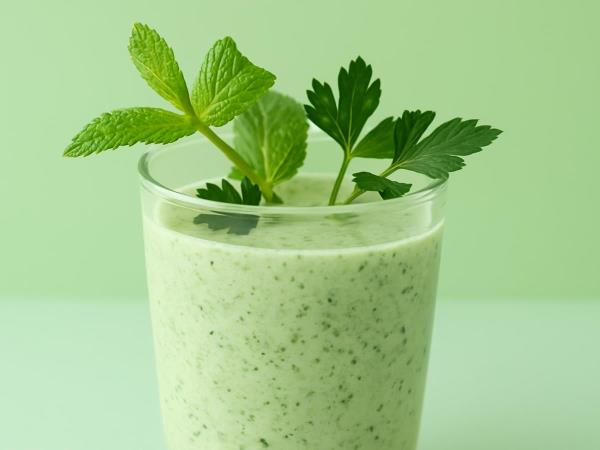




Three Ingredients, One Glass: The Morning Ritual That Wakes Up Digestion and Pampers the Gut
expert, nutritionist
There's a particular kind of relief in finding out that the fix for something as stubborn as sluggish digestion doesn't come in a fancy bottle with a price tag to match. It comes from the kitchen. One reader who tried this drink after months of feeling "heavy" after every meal described the first week as a revelation: "I wasn't expecting much from a glass of kefir with herbs in it, but within a few days my stomach just felt calmer. I stopped dreading lunch." Stories like hers are exactly why this three-ingredient ritual keeps getting passed from one kitchen to another.
Why Gut Health Deserves Your Attention
It's easy to underestimate how much of your day-to-day wellbeing starts in the gut. Emerging research increasingly links the gut microbiome not just to digestion, but to immunity, mood, and metabolism — which is one reason fermented foods like kefir have found their way back onto so many kitchen counters. As always, no single food or drink is a cure-all, and anyone with a digestive condition, or who is pregnant, nursing, or on medication, should check with a doctor or registered dietitian before making major changes to their diet.
What You'll Need
- 1 tablespoon fresh parsley, finely chopped
- 1 tablespoon cinnamon
- 1 dl (about ⅓ cup) kefir (plain yogurt also works)
How to Make It
Wash the parsley thoroughly and chop it finely. Stir it together with the cinnamon and kefir — homemade kefir is ideal if you have access to it, since it tends to contain a broader range of live cultures than most store-bought versions. Mix well and let the blend rest for about an hour in a cool, dark spot (not the refrigerator, so the live cultures aren't shocked by the cold). Drink it at least 20 minutes before a meal.
Why These Three Ingredients Work Together
Kefir is a fermented milk drink rich in a wide range of probiotic strains. Its natural enzymes help break down lactose, and research on adults with lactose maldigestion found that kefir meaningfully improved lactose digestion and reduced gas compared with plain milk, published in the Journal of the American Dietetic Association.
Parsley is low in calories but dense in antioxidants, vitamin C, and minerals, and has traditionally been valued for its mild diuretic and digestive-supporting properties. As with any concentrated herb, moderation matters — very large amounts of parsley aren't recommended, and it's best enjoyed as part of a varied diet rather than in excess.
Cinnamon is best known in nutrition research for its possible role in blood sugar regulation. A 2019 study on healthy adults published in the Journal of Nutrition and Metabolism found that consuming cinnamon daily was associated with measurable changes in post-meal blood glucose, though larger reviews on the topic still show mixed results — so it's best thought of as a flavorful, potentially helpful addition rather than a guaranteed fix.
A Gentle Self-Check (Not a Diagnosis)
Some people like to use this drink as a loose, informal way to get a feel for how their digestion is running — nothing scientific, just a personal check-in. Before drinking it, use the bathroom as usual, then simply notice how long it takes before you feel the urge again. A shorter, more predictable interval is generally seen as a sign of smoother digestive transit, with roughly one to two hours often mentioned as typical. This is just a casual personal observation, not a medical test — if you have ongoing digestive concerns, it's always worth mentioning them to a doctor rather than relying on home experiments.
Keep Exploring
If this kind of simple, ingredient-based approach to digestion appeals to you, a few more reader favorites worth trying:
- Celery in a Bag with Bread: A Simple Trick That Only a Few Know, But It Works Surprisingly Well
- When Your Body Fills Up with Toxins After Picnics, It's Soothed by a Single Glass: A Recipe with Lemon, Grapefruit, and Parsley
- A Garden Herb That Surpasses Pork Steak in Iron Content – And You Most Likely Already Have It at Home
- 4 Ingredients for Joints You Probably Have at Home
- The Dilemma of All Diets: Have You Really Lost Weight or Just Lost Excess Water?
Information on this website is for educational purposes only and is not medical advice.
expert, nutritionist
 Would you like to be informed about news on the website?















|

