





Milk, Sugar, and Grapefruit: The Everyday Foods That Can Quietly Sabotage Your Medication
expert, nutritionist
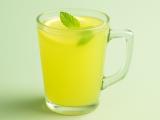
Two days into a course of blood pressure medication, a 50-year-old woman started feeling lightheaded and nauseous. She hadn't changed her dose. She had, however, been drinking six to eight ounces of grapefruit juice with every meal. According to a case reported by the U.S. Poison Control network, the juice was interacting with her amlodipine, pushing her blood pressure down further than intended. Once she stopped the juice, her symptoms cleared within days. It's a small, real example of something food-drug researchers have been documenting for years: what's on your plate can change how well what's in your pillbox actually works.
Milk and antibiotics: a binding problem, not a myth
It's well established that calcium — the mineral milk is famous for — can bind to certain antibiotics in the digestive tract, forming a compound the body simply can't absorb. This is best documented for the tetracycline family of antibiotics (including doxycycline and minocycline) and, to a lesser extent, for fluoroquinolones like ciprofloxacin. According to GoodRx's pharmacist-reviewed guide, calcium from dairy can bind to tetracyclines and reduce how much of the antibiotic actually reaches your bloodstream — which matters, because an under-absorbed dose may not fully clear the infection it was prescribed for. A 2021 pharmaceutics study modeled exactly how calcium, magnesium, and aluminum ions interfere with fluoroquinolone absorption in the gut.
The practical fix is simple and doesn't require giving up dairy: most guidance suggests separating tetracycline-class antibiotics from milk, cheese, yogurt, or milky coffee by at least one to two hours before and after your dose — not for life, just for the days you're on the medication. If you're not sure whether your specific antibiotic is affected, your pharmacist can tell you in seconds, and it's a very reasonable question to ask when you pick up a prescription. If you enjoy learning about how everyday foods work, our own piece on Food That Makes You Fat, Even If It Does Not Fatten touches on how dairy affects digestion for some people more broadly.
Sugar and blood pressure medication: a slower story than "one slice undoes it"
It's tempting to picture a single dessert instantly canceling out a blood pressure pill, but the real relationship is less dramatic and more about patterns over time. A prospective study published in Circulation and tracked by the National Institutes of Health followed over 800 adults and found that cutting just one sugary drink a day was linked to a measurable drop in blood pressure over 18 months — and, importantly, that increasing sugar intake tracked with the opposite effect. So added sugar doesn't switch a medication off for the day, but a habitually sugar-heavy diet can work against the very outcome the medication is trying to achieve, making it harder for treatment to keep blood pressure where it should be. The sensible takeaway isn't panic over dessert — it's treating added sugar as something worth watching if you're managing blood pressure, the same way you'd watch sodium.
Grapefruit and cholesterol medication: the best-documented food-drug interaction there is
If there's one food-drug interaction with genuinely strong evidence behind it, this is it. Grapefruit contains compounds called furanocoumarins that block an enzyme called CYP3A4, which many medications rely on to be broken down properly in the gut and liver. When that enzyme is blocked, more of the drug can enter the bloodstream than intended. The U.S. Food and Drug Administration now requires warning labels on many affected medications, and Mayo Clinic lists cholesterol-lowering statins, some blood pressure medications, certain anti-anxiety drugs, and organ-transplant anti-rejection drugs among those it can affect.
Some statins are affected much more than others. Cleveland Clinic notes that atorvastatin, simvastatin, and lovastatin interact significantly with grapefruit, while rosuvastatin and pravastatin are considered much safer choices for people who don't want to give up the fruit. Harvard Health adds a detail that surprises most people: because grapefruit's effect on the enzyme is long-lasting, spacing grapefruit and your medication apart by a few hours doesn't reliably solve the problem the way it does with the milk-and-antibiotics interaction — for statins that interact strongly, avoiding grapefruit altogether while on the medication is generally the safer route.
If you love citrus and want to know more about how grapefruit affects the body in other contexts, our article on 3 Fruits That Help You Lose Weight looks at grapefruit's effects on metabolism and appetite — and notes the same CYP3A4 caution, so it pairs naturally with what's above.
What about fruit sugar in general?
The idea that all fruit — including everyday tomatoes — broadly blocks medication doesn't hold up well against the evidence and isn't something we'd want to pass along without better support. What is well documented is the grapefruit family specifically, because of furanocoumarins rather than sugar content. So the practical filter isn't "fruit sugar in general" — it's a short, specific list: grapefruit, Seville (sour) oranges, pomelos, and tangelos, per Drugs.com's clinical review. Everyday fruit like apples, bananas, and regular oranges aren't part of this particular interaction.
The bottom line
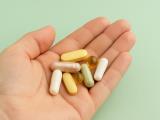
None of this means food and medication are locked in constant conflict — most food-drug pairings are perfectly fine, and the ones that matter are well identified and manageable with simple timing or, occasionally, a conversation with your doctor about alternatives. The one habit worth building, regardless of what you're taking: read the leaflet that comes with any new prescription, and ask your pharmacist directly whether there's anything in your normal diet worth timing around it. It takes thirty seconds and it's exactly the kind of question pharmacists are glad to answer.
Information on this website is for educational purposes only and is not medical advice.
expert, nutritionist
 Would you like to be informed about news on the website?







|

