







19 Foods That Help Melt Belly Fat - And One of Them Is Perfectly Fine for Breakfast Every Single Day
expert, nutritionist
You can train five times a week and still not see your midsection change — if your plate doesn't change with it. Certain foods encourage the body to store extra fat specifically around the abdomen, and no amount of cardio fully cancels that out. The good news: a small, well-chosen group of everyday ingredients can work with your training instead of against it, helping regulate appetite, digestion, and how efficiently your body burns what you eat.
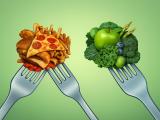
One longtime gym-goer who has spent years fine-tuning his own diet put it simply: for a long time he assumed that any workout would "outrun" a bad plate, until a coach walked him through how much a handful of the right foods — nuts, olive oil, leafy greens — changed his results without adding a single extra training session. It's a small anecdote, but it echoes what most nutritionists will tell you: what's on the fork matters as much as what happens at the gym.
Before trying to overhaul your whole diet, it helps to know which foods nutritionists and dietitians actually flag as genuinely useful for a trimmer waist. Here are 19 of them — several backed by published research, and several you're probably already eating.
1. Olive Oil
Stick to cold-pressed, extra virgin varieties. Olive oil is rich in monounsaturated fats, which the Harvard T.H. Chan School of Public Health notes make up more than 70% of the fat in high-quality extra virgin olive oil — fats associated with a healthier cholesterol profile. A daily tablespoon is also one of the simplest habits nutritionists recommend; our Olive oil on an empty stomach: healthy habit or myth? breaks down exactly how much is enough and why timing may matter.
2. Almonds
Whole almonds with the skin on retain the most nutrients. They're satiating, support muscle recovery, and — contrary to the old "nuts are too caloric" myth — a large randomized trial reported in Healthline's coverage of the study found that people on a calorie-restricted diet who added almonds lost roughly 9.3% of their body weight while also improving several cardiometabolic markers. Salted varieties are best kept occasional. See also: 3 tricks to never be hungry.
3. Beans
Gas aside, beans are a nutritional powerhouse. Their fiber content curbs appetite, supports regular digestion, and helps the body burn through calories more efficiently — all of which indirectly supports fat loss over time.
4. Spinach
A single cup of raw spinach runs about 40 calories while still delivering meaningful amounts of calcium, iron, and other minerals. It supports muscle recovery and appetite control, both of which play into reducing abdominal fat over time — a theme covered further in Fiber is the express train to your happiness.
5. Grapefruit
Some research has linked eating half a grapefruit three times a day to modest weight loss, even without other dietary changes — likely because its acidity slows digestion and extends the feeling of fullness. Grapefruit and other citrus fruits are covered in more detail in 3 fruits that help you lose weight, which also looks at kiwi and apples.
6. Apples
An excellent source of fiber and broadly beneficial for overall health, apples also help curb appetite, support digestion, and encourage the body to burn through calories more efficiently. A fresh apple remains one of the simplest, healthiest snacks available — see 3 fruits that help you lose weight for the fiber and glycemic-index details.
7. Eggs
Eggs are an excellent source of protein, which makes them a smart breakfast choice. A widely cited controlled trial published in the Journal of the American College of Nutrition found that, compared with an equal-calorie bagel breakfast, an egg breakfast produced greater fullness and significantly reduced how much people ate later in the day. Eggs also supply vitamin B12, which supports the body's use of fat stores.
8. Greek Yogurt
Beyond the taste, Greek yogurt delivers considerably more natural protein than regular yogurt. The live probiotic cultures it contains support digestion and gut motility, which also helps prevent bloating.
9. Mushrooms
A vitamin D shortfall is one contributor to abdominal fat accumulation, and mushrooms are one of the few natural food sources of it — worth including in your rotation two to three times a week as part of a balanced meal.
10. Tomatoes
Low in calories and high in flavor, tomatoes act as a natural diuretic, are rich in antioxidants, and are packed with minerals. Interestingly, cooking tomatoes actually increases how much lycopene the body can absorb — our piece on Tomato as a Shield for the Liver and Brain goes deeper into why.
11. Turkey
Lean turkey breast is low in calories and high in protein, and the body actually burns more energy digesting protein than it does digesting carbohydrates — making turkey a smart pick for weight management. It's also a source of leucine, an amino acid linked to muscle maintenance and metabolic support.
12. Salmon
Salmon is loaded with omega-3 fatty acids, which support a healthy metabolism and are associated with fat-burning processes in the body. It's also one of the better dietary supports for immune function.
13. Strawberries
Relatively low in sugar compared with many other fruits — even lower than lemons, gram for gram — strawberries are high in fiber and low in calories, with a mild natural cleansing effect. Nutritionists often recommend a daily cup, and they help curb appetite between meals too.
14. Broccoli
Very low in fat and calories, broccoli is an excellent source of vitamins and the kind of fiber that supports fat breakdown as part of an overall balanced diet.
15. Garlic
A single clove a day, ideally on an empty stomach, is a habit many nutritionists still recommend. The European Food Safety Authority has confirmed that garlic can support the normal functioning of the immune system, and it's traditionally credited with boosting metabolism as well. More on the topic: What happens if we put garlic in the refrigerator before we cut it and 5 best herbs for burning fat.
16. Dark Chocolate
The unsaturated fats in dark chocolate support fat metabolism, and its bitterness tends to naturally curb sugar cravings. Around 30 grams (roughly one small square) a day is generally considered a reasonable amount within a balanced diet — see 5 unusual weight loss tricks that work for more on why moderate dark chocolate intake isn't the enemy some assume it is.
17. Vinegar
Plain, unfiltered vinegar may help support healthy blood sugar regulation, aid the breakdown of carbohydrates, and reduce appetite — alongside a range of other traditional wellness uses.
18. Walnuts
The perfect snack, in moderation. Walnuts are rich in omega-3 fatty acids and minerals and support appetite control — just watch out for the salted, roasted varieties, which add unnecessary sodium.
Information on this website is for educational purposes only and is not medical advice.
expert, nutritionist
 Would you like to be informed about news on the website?














|

