




The Kitchen Spice That Ruins a Bug's Whole Day: How Bay Leaves Work Their Magic
expert, nutritionist
There's a particular kind of satisfaction in solving an annoying problem with something you already own. Flies circling the fruit bowl, moths drifting near the pantry, ants tracing an invisible line across the counter — and the fix might be sitting in your spice rack the whole time: the dried bay leaf.
A home cook who runs a small bakery once described her own "aha" moment with bay leaves — she'd tucked a handful into a flour canister purely out of habit, something her grandmother always did, and only years later did she learn there was actual chemistry behind the habit, not just family superstition. Stories like hers are common in home-cooking communities: a small, old-fashioned trick that turns out to have a real explanation.
What's Actually Going On Inside a Bay Leaf
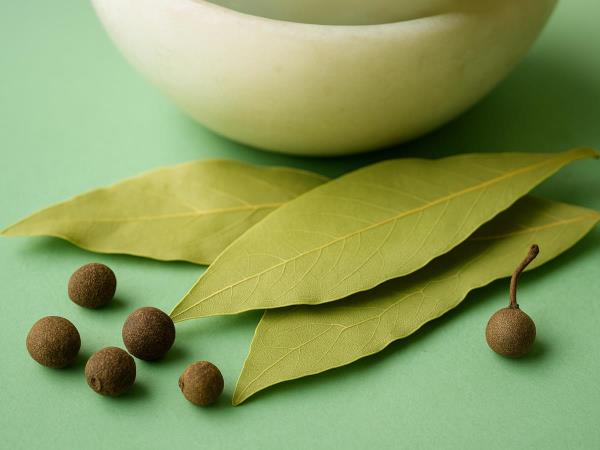
Bay leaves (Laurus nobilis) aren't just a flavor booster for soups and stews. They contain a mix of aromatic compounds — most notably 1,8-cineole and eugenol — that give the leaf its distinctive smell and, it turns out, its bug-repelling reputation. Researchers studying the plant's essential oil have also identified linalool, α-pinene, and several related terpenes as part of that same aromatic profile (A Review on Pharmacological Activity and Biologically Active Constituents Present of Bay Leaf, IJPS Journal).
These compounds smell pleasant to us but are overwhelming to many insects. Laboratory studies on stored-grain pests have found that bay leaf essential oil and its major fractions — including 1,8-cineole and eugenol — show measurable repellent and even insecticidal activity against pests like the red flour beetle, Tribolium castaneum (ScienceDirect: Compounds from leaves of bay as repellents for Tribolium castaneum; Chemistry and insecticidal potential of bay leaf essential oil against stored grain pest of wheat). Separate research has also documented a repellent effect against the bean weevil and against mosquito species such as Culex quinquefasciatus (ResearchGate: Bay leaf extract as a repellent of Culex quinquefasciatus).
It's worth being precise here: most of this evidence comes from concentrated essential oil in lab settings, not from a dried leaf sitting in a kitchen cupboard. As one long-time herbalist and blogger who dug through the research put it, whole bay leaves themselves haven't been directly tested nearly as much as their extracted oils — but the active compounds inside them are the same ones the studies focus on (Preparedness Pro: Do Bay Leaves Really Work as a Pest Repellent?). In other words, the science supports the idea that bay leaves can help discourage insects — just don't expect lab-level results from a leaf on a shelf.
Why People Have Relied on This for Generations
Long before synthetic sprays existed, households across the Mediterranean — where bay laurel grows wild — tucked leaves into grain stores and linen closets. It wasn't just folklore. Bay laurel's aromatic oils have historically been valued for a whole range of properties, including antibacterial, antifungal, and insect-repellent effects, which is part of why the plant shows up so often in traditional practice (NCBI/PMC: Bay Leaf Incense and Cholinergic Function study). Modern natural-ingredient brands still lean on this reputation today, describing bay leaf's essential oils as creating a natural, non-toxic barrier against common household insects ('Ohana Organics: Ingredient Spotlight — Bay Leaf).
How to Actually Use Bay Leaves as a Household Repellent
- Pantry protection: Tuck two or three whole, dried leaves into flour, rice, pasta, and cereal containers. Moths and pantry beetles tend to avoid areas with a strong bay scent.
- Entry points: Crumble a leaf and scatter the pieces along windowsills, door thresholds, and other spots where ants or flies tend to slip in.
- Cupboards and drawers: Place a few leaves in corners or hidden crevices — the exact spots insects like to hide — and refresh them roughly once a week, since the aroma fades over time.
- Sachets: For a longer-lasting version, tie a handful of crumbled leaves into a small cloth pouch and hang it near problem areas.
Because the method relies on scent rather than poison, it's generally considered a gentle option to have around children and pets — though, as with any strong-smelling plant material, it's sensible to keep it out of reach of curious toddlers or pets that like to chew on things.
A Few Honest Caveats
Bay leaves are not a substitute for proper pest control if you're dealing with an established infestation — think of them as a preventive, low-effort layer rather than a cure. Their scent is also not universally loved by humans either; if you or someone in your household is sensitive to strong aromatic smells, start with just one or two leaves per area. And one compound sometimes mentioned alongside bay leaf's aromatic profile, methyl eugenol, has drawn regulatory scrutiny for other uses; it's a reminder that "natural" doesn't automatically mean "use in any quantity," and moderation is always sensible with aromatic plant materials (IJPS Journal review, cited above).
The Takeaway
Bay leaves won't single-handedly rid your home of every bug, but the underlying chemistry is real, the tradition behind it spans centuries, and the cost of trying it is essentially nothing. A few crumbled leaves in the right spots is a small, pleasant-smelling experiment worth running in your own kitchen — and one that generations of Mediterranean households would tell you already works.
Information on this website is for educational purposes only and is not medical advice.
expert, nutritionist
 Would you like to be informed about news on the website?













|

