




Dry Mouth: Harmless Annoyance, or Your Body's Quiet Way of Waving a Flag?
expert, nutritionist
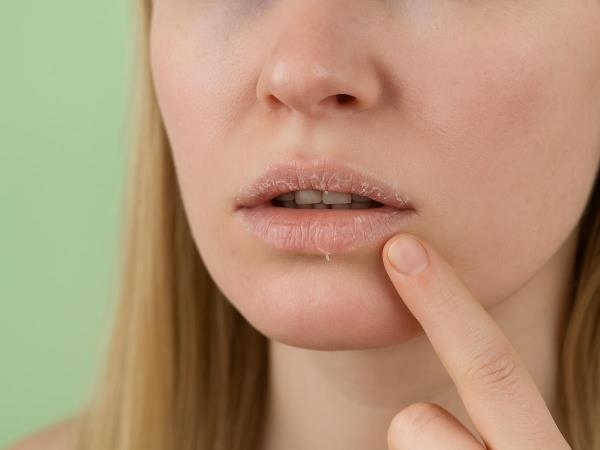
You know the feeling: it's mid-morning, you haven't had enough water, and suddenly your mouth feels like it's lined with paper. Uncomfortable, yes — but according to researchers, it may also be your body's way of telling you something is missing. So what exactly is going on?
Even television personality Carrie Ann Inaba, longtime judge on Dancing with the Stars, has spoken publicly about living for years with unexplained dry mouth and dry eyes before finally being diagnosed with Sjögren's disease, an autoimmune condition that reduces the amount of moisture the body produces. She has described managing "constant dryness" in her mouth and eyes as part of daily life, and now speaks openly about the importance of not brushing off symptoms that linger. Her experience is a useful reminder that while dry mouth is usually nothing serious, it's still worth paying attention to when it doesn't go away.
Xerostomia vs. Hyposalivation: Not Quite the Same Thing
Xerostomia is the medical term for the subjective feeling that your mouth doesn't have enough saliva. Hyposalivation is the objectively measured, reduced flow of saliva. These are not automatically the same thing — some people feel dry with perfectly normal saliva levels, and others have measurably low saliva without feeling particularly bothered by it. According to the U.S. National Library of Medicine, normal unstimulated saliva flow is roughly 0.3 to 0.4 ml per minute, while hyposalivation is typically confirmed once unstimulated flow drops below about 0.1–0.2 ml/min, or stimulated flow below 0.5–0.7 ml/min.
Globally, dry mouth affects around one in five adults (roughly 22%), and it becomes more common with age — pooled research on older adults puts the average rate of hyposalivation at close to 33%. In other words, nearly one in three older adults is living with meaningfully less saliva than their mouth needs to chew, swallow, and protect teeth comfortably.
Dry Mouth as a Window Into Overall Health
We rarely appreciate saliva until it's missing. It works as a natural protective varnish for the mouth: it neutralizes acids, rinses away food particles, delivers minerals to teeth, and even carries antimicrobial compounds. When saliva drops, the consequences show up quickly — more cavities, more fungal infections and mouth sores, more trouble with dentures, and worse breath.
What causes dry mouth in the first place? Most often it's a combination of factors: medications (antidepressants, antihistamines, blood pressure drugs), dehydration, smoking, stress, and certain conditions such as Sjögren's disease — an autoimmune disorder in which the immune system affects the glands that produce saliva and tears, and which is especially common in middle-aged women.
Newer-generation antidepressants such as citalopram and sertraline are commonly associated with dry mouth as a side effect, alongside antihistamines, antipsychotics, bronchodilators, some blood pressure medications, opioids, and benzodiazepines — a pattern well documented in reviews of psychiatric medications and oral side effects. If you take medications like these and notice persistent dryness, it's worth a conversation with your doctor about dosage or alternatives — never stop or adjust medication on your own.
Smoking is another well-established factor. Research comparing smokers and non-smokers has found meaningfully lower salivary flow rates and lower (more acidic) saliva pH in long-term smokers compared with non-smokers — a combination that tends to invite more oral health problems.
Caffeine and alcohol also play a role, though not equally. Moderate coffee intake (up to around 400 mg of caffeine a day — roughly 3 to 4 cups) doesn't dehydrate most people and can even count toward daily fluid intake; it's overdoing it that tends to worsen dryness. Alcohol is a different story — larger amounts suppress saliva production and change its composition, which makes a nightcap a poor strategy if dry mouth is already a problem.
The Mouth–Brain Connection
In recent years, researchers have taken a growing interest in the relationship between oral health and cognitive function — thinking, memory, and decision-making. Several studies in people with mild cognitive impairment (MCI, the stage between normal aging and dementia) have reported poorer oral function, including oral dryness, weaker tongue strength, and reduced chewing ability. Larger analyses similarly associate poorer oral health with lower cognitive scores, supporting the idea that the mouth–brain pathway runs in both directions: as cognition declines, oral self-care often declines too, and a neglected mouth may in turn be linked with a less resilient brain.
To be clear — this is not the same as saying dry mouth causes memory problems, and it's not a diagnostic sign on its own. It simply belongs on the (fairly long) list of everyday habits, alongside diet, sleep, and exercise, that seem to matter for long-term brain health.
An interesting real-world example came out of the pandemic: a large survey of 3,750 people found that longer daily mask-wearing was associated with more self-reported dry mouth and bad breath. Interestingly, a separate pilot study looking directly at the oral microbiome found no meaningful harmful changes from mask-wearing itself — suggesting the "mask mouth" many people described was more about perception and reduced water intake than any lasting damage to the mouth.
More recent work has also looked at whether better oral hygiene and regular chewing correlate with fewer cognitive complaints in older adults, with some studies linking oral habits to better memory test performance. This doesn't mean brushing your teeth prevents dementia — but it does put oral hygiene firmly on the list of small, modifiable habits worth taking seriously.
How Much Should You Actually Drink?
The European Food Safety Authority (EFSA) recommends a total fluid intake of around 2.0 liters per day for women and 2.5 liters per day for men (including soup, tea, and similar fluids). For most adults, this is a solid target — especially in hot weather or with physical work. Coffee counts too, within reason. Water still wins the crown.
Inexpensive Home Remedies That Actually Work — and Why
- Sip water steadily throughout the day. Instead of two large glasses at once, keep a 0.5-liter bottle and refill it 4–5 times a day. Dehydration is one of the most common triggers of dry mouth, especially in older adults, so this is genuinely the first step worth trying.
- Sugar-free chewing gum, ideally with xylitol (a natural sugar alcohol that inhibits the bacteria behind cavities). Chewing mechanically stimulates saliva flow, and research shows it measurably increases saliva output in older and chronically ill patients with dry mouth. A 2022 microbiome study on xylitol chewing gum found it also reduced levels of Streptococcus mutans, the main bacteria behind tooth decay. One important caution: xylitol is toxic to dogs, even in small amounts, so keep xylitol gum well out of reach of pets.
- A gentle homemade rinse with baking soda and salt. Dissolve ¼ teaspoon of baking soda and a pinch of salt in about 200 ml of boiled or bottled water. This mild solution doesn't sting, helps neutralize acids, and is gentle on dry, sensitive tissue. Use it after meals or before bed — a combination often suggested for sensitive oral tissue.
- Add moisture to your bedroom air. In winter or dry weather, aim for 40–60% relative humidity. In that range, airways and mucous membranes tend to stay calmer and less irritated. No humidifier? A bowl of water on the radiator and regular airing of the room can help.
- Favor nose breathing over mouth breathing. Breathing through the mouth at night dries out the mouth and throat quickly. A saline nasal rinse is inexpensive, safe for daily use, and can help with congestion and nasal dryness. Mouth-taping is a popular trend online, but the evidence is mixed and it's best avoided without medical advice — particularly if you snore or suspect sleep apnea (brief pauses in breathing during sleep).
- Cut back on alcohol and cigarettes. Larger amounts of alcohol reduce saliva output, while smoking reduces it over the long term and makes it more acidic. Even a few weeks of smoking less tends to bring a noticeably better feeling in the mouth.
- Artificial saliva sprays and gels. Pharmacies carry affordable saliva substitutes (gels, sprays). They aren't a cure, but they can meaningfully ease symptoms in the meantime.
- Traditional rinses with some research behind them:
- Sage (Salvia officinalis): In a randomized clinical trial, a sage-extract mouthwash significantly reduced levels of cavity-causing Streptococcus mutans bacteria compared with a placebo rinse. To prepare: steep 1 teaspoon of dried sage in 200 ml of water for 10 minutes, strain, cool, and rinse for 30–60 seconds.
- Linseed (flaxseed) "mucilage": Soaked flaxseeds release a gel-like liquid that coats and moistens oral tissue. Pour 200 ml of hot water over half a tablespoon of seeds, let sit for 30–60 minutes, strain, and rinse. In a clinical study in older adults with xerostomia, a chamomile-and-linseed rinse measurably improved the feeling of oral moisture compared with a standard saliva substitute.
Both remedies can help, but neither replaces regular dental care.
So What About the Dementia Connection?
Dry mouth on its own is not a diagnosis of anything cognitive. But if it lingers for months and is joined by other changes — forgetfulness, trouble planning, or shifts in everyday habits like forgetting to drink water or brush teeth — it's a small flag worth mentioning to a doctor, not a reason to panic. Current research suggests people with mild cognitive impairment tend to have somewhat weaker oral function (including dry mouth, weaker tongue strength, and swallowing changes), and the relationship likely runs both ways. The practical takeaway is simple: regular chewing, hydration, brushing, and flossing are probably small but genuinely protective habits — for your mouth, and quite possibly beyond it.
Putting It Into Practice: A 7-Day Plan
Days 1–2: Set up a 0.5-liter bottle and aim to refill it 5 times a day (about 2.5 L — men), or 4 times for women (about 2.0 L, per EFSA guidance). If you drink coffee, keep it to 1–3 cups and drink plenty of water alongside it. Go easy on alcohol in the evenings. If dehydration is the main culprit, this step alone often cuts dry mouth by 30–50%.
Days 3–4: After meals, chew sugar-free gum for 5–10 minutes. You should notice more saliva. If you wear dentures, you may also notice they sit more comfortably.
Day 5: Prepare the baking soda-and-salt rinse, and a sage tea for the evening. If you lean toward herbal remedies, try the linseed rinse instead — many people notice an immediate "softer" feeling.
Day 6: Check the humidity in your bedroom. With a hygrometer, aim for 40–60%. Without one, try airing the room for 10 minutes in the morning and keeping a bowl of water near a heat source.
Day 7: Rinse your nose with saline before bed so you breathe through your nose overnight instead of your mouth. This is especially useful if you snore or wake up with a very dry mouth. Skip mouth-taping unless a doctor has specifically recommended it.
After a week, you'll have a good sense of whether habits were the main driver. If dry mouth persists beyond 3–4 weeks, or if you notice trouble swallowing, cracked corners of the mouth, more cavities than usual, or a burning tongue, it's time to see a dentist or doctor — particularly if you take multiple medications or have a condition such as diabetes or Sjögren's disease.
The Bottom Line
Most dry-mouth problems are refreshingly simple to fix: water first, then habits (chewing, rinsing), and only then anything more involved. That's genuinely good news — hydration, chewing, herbal rinses, and better bedroom air can go a long way on their own. At the same time, it's worth staying sensibly attentive: if dryness lingers and you also notice memory slips creeping in, there's no need for alarm, but it is a good moment for a conversation with your doctor or dentist — not to scare anyone, but to catch small signals early and keep your mind in the best shape possible.
Related reading: Canker Sores in the Mouth: The Home Remedies That Actually Help and the Ones You Shouldn't · Warm Water with Turmeric Against Winter Troubles
Information on this website is for educational purposes only and is not medical advice.
expert, nutritionist
 Would you like to be informed about news on the website?














|

